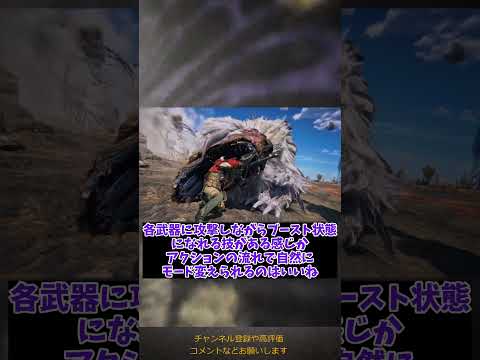
▶ Watch the original YouTube video
Monster Hunter Wilds Boost Action System Generates Excitement and Debate Among 16-Year Veteran Players
Capcom’s announcement of the Boost Action system for Monster Hunter Wilds has sparked widespread discussion across gaming communities. The new feature, which adds weapon-specific powerful abilities to each weapon type, represents a significant evolution in the franchise’s combat mechanics and has generated both enthusiasm and concerns about game balance among longtime players.
What Happened
Capcom unveiled the Boost Action system for Monster Hunter Wilds (MHWiA), a new feature that introduces weapon-specific powerful abilities to the franchise. The announcement has generated significant discussion within the Monster Hunter community, with players analyzing how this system represents the latest evolution in the series’ combat mechanics. The feature aims to provide each weapon type with unique, powerful actions while maintaining the core gameplay experience that has defined the franchise for over a decade.
Why It Matters
The Boost Action system represents a critical juncture in Monster Hunter’s design philosophy. For longtime players, this feature addresses a persistent desire for greater weapon individuality and combat variety. The system’s success will influence how future Monster Hunter titles balance accessibility for new players with depth for experienced hunters. Additionally, the feature has implications for the franchise’s potential in competitive esports, where weapon differentiation could enhance spectator appeal and competitive diversity.
Background
Monster Hunter has continuously evolved its combat systems across multiple generations. The franchise introduced hunting styles and hunting arts in Monster Hunter Generations (MHX), which provided weapon-specific abilities. Monster Hunter World streamlined this approach with an enhanced combo system that emphasized player skill differentiation. Monster Hunter Rise introduced the Wirebug mechanic, enabling three-dimensional combat possibilities. Each iteration has attempted to balance weapon variety with overall game balance, a challenge that Capcom has largely succeeded at according to community feedback.
The Boost Action system appears to synthesize lessons from these previous systems, combining the weapon individuality of hunting arts with the refined mechanics of World’s combo system and Rise’s tactical depth.
Key Points
- Weapon-Specific Power: Each weapon type receives unique, powerful Boost Actions that define its combat identity
- Community Enthusiasm: Veteran players express excitement about increased weapon differentiation and tactical possibilities
- Balance Concerns: Some players worry about potential balance issues and whether the system might overshadow traditional combat mechanics
- Accessibility Design: The system appears designed to avoid overwhelming new players while providing depth for experienced hunters
- Esports Potential: The feature could enhance competitive play by making player skill and weapon choice more visually distinct
- Evolutionary Continuity: The system represents a natural progression from previous Monster Hunter mechanics rather than a radical departure
System Evolution Timeline
- 2008: Monster Hunter Portable 2nd G introduces core hunting mechanics that define the franchise
- 2013: Monster Hunter Generations (MHX) introduces hunting styles and hunting arts for weapon customization
- 2018: Monster Hunter World launches with refined combo systems emphasizing player skill
- 2019: Monster Hunter World: Iceborne introduces Master Rank with enhanced weapon progression
- 2021: Monster Hunter Rise launches with Wirebug mechanics enabling vertical combat
- 2022: Monster Hunter Rise: Sunbreak expands Wirebug capabilities and combat depth
- 2025: Monster Hunter Wilds announces Boost Action system combining previous mechanical innovations
Perspectives
Veteran Players: Experienced hunters view Boost Actions as a natural evolution addressing long-standing desires for weapon individuality. Many compare it favorably to the hunting arts system while praising its apparent integration with World’s refined mechanics. These players see the system as validating Capcom’s commitment to continuous improvement.
Balance-Conscious Players: Some community members express concern about potential balance disruption. They question whether Boost Actions might become mandatory rather than optional, and whether certain weapons could become overpowered. These concerns stem from historical precedent, particularly the bow’s dominance in Monster Hunter World.
New Player Advocates: Observers worry that Boost Actions might create a complexity barrier for newcomers. However, community analysis suggests the system’s design philosophy prioritizes accessibility without sacrificing depth.
Esports Community: Professional gaming circles view Boost Actions as enhancing competitive potential by making player skill and weapon mastery more visually apparent and strategically significant.
Comparative Analysis: Boost Actions in Context
The Boost Action system can be understood through comparison with previous Monster Hunter mechanical innovations:
Monster Hunter Generations (MHX/MHXX) – Hunting Arts: Introduced weapon-specific abilities tied to hunting styles. While innovative, the system’s complexity sometimes overwhelmed new players. Boost Actions appear to refine this concept with greater simplicity.
Monster Hunter World – Combo System: Emphasized player skill differentiation through complex attack combinations. Boost Actions extend this philosophy by adding another layer of skill expression without replacing fundamental mechanics.
Monster Hunter Rise – Wirebug Mechanics: Enabled three-dimensional combat and tactical positioning. Boost Actions complement this by adding another tactical decision point without fundamentally altering movement and positioning.
Community Reaction Analysis
Social Media Response: Twitter discussions under #MHWiA predominantly feature players expressing enthusiasm about their favorite weapon’s Boost Action animations and mechanics. Comments frequently emphasize appreciation for weapon-specific design rather than generic power increases.
Forum Discussion: Dedicated Monster Hunter forums show more critical analysis, with experienced players debating balance implications and system interactions. These discussions reflect the community’s investment in long-term game health.
Video Platform Commentary: YouTube comments frequently compare Boost Actions favorably to Monster Hunter World: Iceborne’s Master Rank introduction, suggesting community confidence in Capcom’s ability to execute complex mechanical additions successfully.
Insights
The Boost Action system announcement reveals several important truths about Monster Hunter’s design philosophy and community expectations. First, the franchise has successfully established a pattern of meaningful evolution—each major entry introduces mechanical innovations that feel natural rather than revolutionary. This consistency builds player trust and generates genuine excitement for new features.
Second, the community’s mixed response—enthusiasm combined with legitimate balance concerns—demonstrates a mature player base invested in long-term game health. This is healthy for franchise sustainability. Capcom’s track record with previous major system introductions suggests the developer understands these concerns and will address them through careful tuning.
Third, Boost Actions represent a deliberate choice to increase weapon differentiation. This addresses a persistent criticism that Monster Hunter World, despite its excellence, sometimes made different weapons feel too similar in practice. By giving each weapon a unique identity through Boost Actions, Capcom is directly responding to community feedback accumulated over multiple game cycles.
Finally, the system’s potential competitive implications cannot be overlooked. As esports continues to grow, action games benefit from mechanical clarity and visual distinctiveness. Boost Actions provide both, potentially positioning Monster Hunter Wilds as a more compelling competitive title than its predecessors.
The Boost Action system ultimately represents Monster Hunter’s continued commitment to the principle that players should express their individuality through their weapon choice and combat style. This philosophy has guided the franchise since its inception and continues to define its evolution.