▶ Watch the original YouTube video
The Third Raikage’s Overwhelming Strength: Analyzing Unmatched Defense and Speed
The Third Raikage from Naruto stands as one of anime’s most formidable characters, capable of single-handedly holding back 10,000 enemies while remaining virtually unscathed. This analysis explores how his exceptional defensive capabilities and superhuman speed created a character whose combat prowess transcended conventional power scaling.
- What Happened
- Why It Matters
- Background
- Key Points
- Comparative Analysis with Other Anime Characters
- The Role of Attributes and Weaknesses
- Generational Comparison: Father and Son
- Industry Context: Adult Characters in 2010s Anime
- Narrative Intent and Thematic Significance
- Viewer Reception and Online Discussion
- Viewing Guide for Understanding the Third Raikage
- Insights and Broader Implications
What Happened
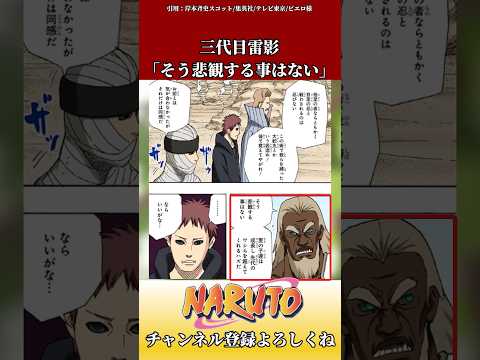
During the Fourth Great Ninja War arc of Naruto Shippuden, the Third Raikage demonstrated extraordinary combat ability by single-handedly containing 10,000 enemy soldiers. This feat showcased not merely raw power, but a combination of impenetrable defense and speed so extreme that most attacks never connected. The Third Raikage’s performance during this conflict revealed a character whose strength transcended typical power hierarchies within the series.
Why It Matters
The Third Raikage represents a pivotal moment in anime storytelling regarding how adult characters are portrayed. Rather than depicting aging leaders as experienced but physically diminished, the series presented him as a current-generation powerhouse—a leader capable of decisive action through sheer combat superiority. This characterization reflected broader industry trends in the 2010s, where mature characters began receiving more prominent combat roles. Understanding the Third Raikage’s design reveals how narrative themes of leadership, sacrifice, and generational transition are expressed through combat mechanics.
Background
The Third Raikage served as the supreme leader of the Hidden Cloud Village and embodied the archetype of the rational, duty-bound commander. Unlike many anime characters who act impulsively, he consistently prioritized his village’s survival over personal considerations. When the Fourth Great Ninja War erupted, bringing together all five major ninja villages, the Third Raikage’s actions became a statement about his village’s strength and resolve. His willingness to sacrifice himself to hold back enemy forces demonstrated both his physical capabilities and his commitment to leadership.
Key Points
- Unmatched Defense: The Third Raikage withstood attacks from the Rasengan, one of the series’ most powerful techniques, without sustaining injury—a feat that placed his durability beyond conventional power scaling.
- Transcendent Speed: His velocity exceeded the perception threshold of most opponents, rendering their attacks ineffective before they could connect.
- Numerical Dominance: Containing 10,000 enemies represented approximately 12.5% of the entire Allied Ninja Force, an unprecedented individual feat in the series.
- Attribute Immunity: Despite wind-attribute attacks theoretically countering lightning-based techniques, the Third Raikage’s raw defensive capability negated elemental advantages.
- Strategic Defeat: His eventual capture resulted not from combat superiority but from sealing jutsu—a distinction emphasizing that pure fighting strength remained undefeated.
- Leadership Through Strength: His combat prowess functioned as a narrative expression of his role as an ideal leader willing to bear the burden of protection.
Comparative Analysis with Other Anime Characters
The Third Raikage’s strength profile distinguishes itself when compared to other “overwhelming” characters across anime. Kaido from One Piece, while extraordinarily durable, sustains damage from the series’ most powerful attacks. Levi Ackerman from Attack on Titan achieves remarkable feats through equipment and technique rather than raw physical superiority. The Third Raikage, conversely, demonstrated a qualitative difference in both defense and speed that placed him in a distinct category. His ability to face 10,000 weaker opponents without damage differs fundamentally from characters who battle multiple strong adversaries. This distinction reflects a deliberate design choice: the Third Raikage’s strength lay not in defeating powerful equals but in complete dominance over conventional forces.
The Role of Attributes and Weaknesses
Naruto’s combat system incorporates elemental attributes with inherent advantages and disadvantages. Wind-type attacks theoretically counter lightning-type defense. The Third Raikage’s imperviousness to wind-attribute techniques—including the protagonist’s signature Rasengan—suggested his defensive capability operated on a different dimensional level than conventional attribute interactions. Rather than negating elemental advantages through specific counters, his raw durability transcended the attribute system entirely. This interpretation aligns with broader anime storytelling, where characters occasionally possess defenses that function independently of established power mechanics. His eventual defeat through sealing jutsu rather than direct combat reinforced this distinction: he was not overcome through superior fighting ability but through tactical and mystical means.
Generational Comparison: Father and Son
The Fourth Raikage, the Third Raikage’s son, provides an instructive contrast. While the Fourth Raikage exceeded his father’s speed, he demonstrated inferior defensive and offensive capabilities. The Fourth Raikage sustained damage from attacks that left the Third Raikage unharmed. This comparison illustrates a fundamental principle: strength comprises multiple components, and superiority in one attribute does not guarantee overall dominance. The Fourth Raikage’s faster movement speed could not compensate for reduced durability, resulting in a character who, despite individual advantages, remained inferior in total combat effectiveness. This dynamic reinforces the narrative theme that balanced capability surpasses specialized excellence.
Industry Context: Adult Characters in 2010s Anime
The portrayal of the Third Raikage reflected significant shifts in anime production during the 2010s. Earlier anime, particularly from the 2000s, typically depicted adult characters as experienced but physically diminished—powerful through wisdom rather than current combat ability. Series like Rurouni Kenshin exemplified this approach, showing once-legendary warriors in decline. The 2010s reversed this trend. Naruto Shippuden’s depiction of the Five Kage presented them as simultaneously experienced leaders and current-generation powerhouses. This evolution reflected demographic changes: viewers who watched anime in the 2000s had matured into adults seeking characters who embodied both authority and active strength. The Third Raikage epitomized this new archetype—not a nostalgic figure but a present-day force commanding respect through demonstrated capability.
Narrative Intent and Thematic Significance
The Third Raikage’s exceptional strength served narrative purposes beyond combat spectacle. His willingness to sacrifice himself while holding back overwhelming forces expressed the series’ central theme: cooperation and collective strength surpass individual power. By depicting him as nearly invincible yet ultimately contained through coordinated tactics, the narrative communicated that even supreme individual ability requires strategic context. The Third Raikage represented the old generation—powerful, rational, and willing to bear ultimate responsibility. His role required sufficient strength to credibly protect his village, yet his eventual containment allowed the narrative to transition toward the younger generation’s ascendance. His strength was not negated but contextualized within larger strategic frameworks.
Viewer Reception and Online Discussion
The Third Raikage’s performance generated substantial online engagement. Twitter discussions frequently cited his 10,000-enemy containment as “Naruto’s finest individual combat power expression.” Community forums debated whether his imperviousness to the Rasengan constituted narrative inconsistency or intentional design emphasizing his transcendent durability. YouTube comments frequently praised his characterization as embodying the ideal adult character—powerful, rational, and duty-bound. Critical perspectives noted that his overwhelming defensive capability potentially reduced combat tension, as enemy attacks consistently failed to connect. This criticism held validity: sustained invulnerability can diminish dramatic stakes. However, the narrative compensated through thematic emphasis on sacrifice and duty rather than conventional suspense.
Viewing Guide for Understanding the Third Raikage
For viewers seeking deeper comprehension of the Third Raikage’s character, several recommendations enhance understanding. First, review the Five Kage Summit arc before the Fourth Great Ninja War. This sequence establishes his rational decision-making and leadership philosophy, providing context for his later actions. Second, focus on the numerical scale of his achievement—10,000 enemies represents a quantifiable measure of his dominance. Third, compare his performance with the Fourth Raikage to understand how strength comprises multiple components. Finally, examine other anime’s “overwhelming” characters—Kaido, Levi Ackerman, and Demon Slayer’s Pillars—to recognize the Third Raikage’s unique position within anime’s power hierarchy.
Insights and Broader Implications
The Third Raikage exemplifies how combat mechanics function as narrative language. His exceptional defense and speed were not arbitrary power levels but expressions of his role as an ideal leader—capable, rational, and willing to bear ultimate responsibility. The Fourth Great Ninja War’s structure required a character sufficiently powerful to credibly hold back overwhelming forces, yet whose eventual containment allowed narrative progression toward the younger generation. The Third Raikage fulfilled this function while embodying the 2010s anime trend of depicting adult characters as active powerhouses rather than nostalgic relics. His strength transcended typical power scaling through the combination of impenetrable defense, superhuman speed, and immunity to conventional weaknesses. Yet his defeat through sealing jutsu rather than superior combat ability communicated that even supreme individual strength operates within larger strategic contexts. This characterization represents sophisticated narrative design where power levels serve thematic purposes, expressing ideas about leadership, sacrifice, and generational transition through the language of combat.