▶ Watch the original YouTube video
Wistoria: Wand and Sword Episode 1 Breaks Expectations—Here’s What the Internet Is Saying
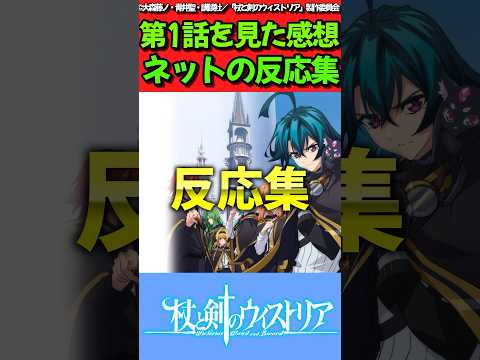
The premiere of Wistoria: Wand and Sword has generated unexpectedly strong praise across social media and fan communities. Analysis of viewer reactions reveals that the anime’s high animation quality, unconventional protagonist design, and fresh approach to the fantasy genre are resonating with audiences fatigued by overused tropes in the medium.
What Happened
The first episode of Wistoria: Wand and Sword aired to widespread acclaim, with viewers flooding social media platforms with positive reactions. Comments centered on the episode’s exceptional visual quality, character design, and the protagonist’s unique positioning as a powerful swordsman who cannot use magic—a departure from the “overpowered protagonist” template that has dominated fantasy anime for the past decade.
Why It Matters
The strong reception of Wistoria‘s premiere reflects a significant shift in anime viewer preferences and industry trends. After years of “cheat ability” protagonists becoming standard in isekai and fantasy adaptations, audiences appear ready for fresh narrative approaches. Additionally, the episode demonstrates that sustained investment in animation quality and character design can create immediate viewer engagement—a critical factor in an increasingly competitive streaming landscape where first impressions determine long-term viewership.
Background
The anime industry has experienced a notable quality divide over the past five years, with high-budget productions maintaining theatrical-level animation while lower-budget series struggle with consistency. Simultaneously, the fantasy genre has become saturated with protagonists possessing extraordinary abilities—a trend that began with works like Re:Zero and That Time I Got Reincarnated as a Slime. Wistoria: Wand and Sword enters this landscape with a deliberate counter-strategy: exceptional production values combined with a protagonist whose strength derives from pure swordsmanship rather than supernatural powers.
Key Points
- Animation Excellence: Viewers consistently praised the episode’s visual quality, with comments like “the visuals are beautiful and cool” appearing across multiple platforms, indicating the animation exceeded audience expectations.
- Protagonist Design: The main character’s inability to use magic while remaining powerful generated significant interest, offering a refreshing alternative to the oversaturated “overpowered protagonist” archetype.
- Character Aesthetics: Positive reactions to character design, particularly regarding the elf character, suggest that the production team invested heavily in visual appeal and character refinement.
- Continuity Concerns: Despite enthusiasm, viewers expressed anxiety about whether the episode’s high quality would be maintained throughout the series, reflecting past disappointments where first episodes received disproportionate resources.
- Industry Timing: The premiere arrives at a moment when viewers have grown fatigued with ability-inflation narratives, positioning Wistoria to capture an underserved audience segment.
- Production Confidence: The involvement of multiple high-tier studios suggests substantial budget allocation, signaling industry confidence in the project’s commercial potential.
Perspectives
Viewer Perspective: Audiences responded enthusiastically to the combination of technical excellence and narrative freshness. The recurring theme in comments—”I hope this quality continues”—reflects both optimism and cautious skepticism born from previous anime disappointments.
Industry Analysis: The positive reception validates a strategic shift away from ability-centric storytelling toward character-driven narratives supported by superior production values. This suggests that studios are increasingly recognizing viewer fatigue with established tropes and investing in differentiation.
Comparative Context: When measured against similar fantasy adaptations like Sword Art Online and Re:Zero, Wistoria demonstrates superior animation quality in its premiere while introducing a protagonist archetype that distinguishes it from its predecessors. The non-cheat ability setup represents a deliberate market positioning strategy.
Insights
Wistoria: Wand and Sword exemplifies an emerging trend in anime production: the recognition that visual excellence combined with narrative innovation can generate immediate and sustained viewer engagement. The strong first-episode reception suggests that audiences are actively seeking alternatives to established fantasy conventions, particularly regarding protagonist power systems.
The episode’s success also highlights the importance of animation consistency as a viewer retention metric. In an era where streaming platforms offer unlimited content choices, the quality of visual presentation has become a primary decision factor for continued viewing—potentially more influential than plot complexity or character depth in early episodes.
However, the recurring concern about quality maintenance indicates that the anime industry’s historical pattern of front-loading resources into premiere episodes has created viewer skepticism. For Wistoria to convert first-episode enthusiasm into sustained viewership, the production team must demonstrate that the animation quality and narrative momentum established in episode one can be maintained throughout the series—a challenge that will ultimately determine whether this premiere represents a genuine breakthrough or merely another example of the “first episode phenomenon.”