▶ Watch the original YouTube video
Ultraman Omega Final Episode: Fan Reactions and the Power of Unity in 11 Years of New Generation Ultraman
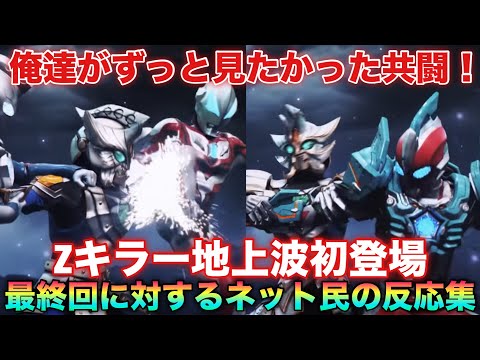
The final episode of Ultraman Omega has captivated fans worldwide by delivering a long-awaited moment: the unified appearance of three New Generation Ultramen—Geed, Z, and Omega—fighting side by side. This climactic scene represents the culmination of 11 years of storytelling and marks a significant evolution in how the Ultraman franchise portrays character relationships and generational legacy.
What Happened
Ultraman Omega’s final episode featured a pivotal battle sequence where Geed, Z, and Omega appeared together for the first time, each fulfilling distinct combat roles. Geed and Z took the front lines while Omega provided ranged support from behind. The episode also introduced the Gamedon Armor, a new form emphasizing defensive capabilities through a shield-based combat philosophy, and showcased Z Killer—a new form previously only glimpsed in promotional materials—making its on-screen debut.
Why It Matters
This finale represents a watershed moment for the New Generation Ultraman series, which began in 2013 with Ultraman Ginga. The unified appearance of three protagonists symbolizes the maturation of a narrative arc that has evolved from simple light fusion concepts to complex character relationships and thematic depth. For longtime fans, this scene validates over a decade of investment in interconnected storytelling, demonstrating that the franchise has successfully transitioned from children’s entertainment to sophisticated adult-oriented narrative television. The episode’s deliberate creative choices—prioritizing new form debuts over exhaustive transformation sequences—reveal sophisticated production strategy and audience trust.
Background
The New Generation Ultraman series began in 2013 with Ultraman Ginga, introducing a new era of Ultraman stories distinct from the classic Heisei and Reiwa periods. Over 11 years, the franchise has released eight major series: Ginga, Ginga S, X, Orb, Geed, Z, Trigger, and Decker. Each installment progressively deepened the concept of intergenerational relationships between Ultramen. Ultraman Z (2020) established the mentor-student dynamic that became central to the franchise’s identity. Ultraman Omega (2024) represents the culmination of this evolution, bringing together multiple protagonist Ultramen in ways previously reserved for special crossover events.
Key Points
- Historic Three-Way Collaboration: Geed, Z, and Omega appeared together in combat for the first time, fulfilling a long-standing fan desire for New Generation Ultraman unity.
- Strategic Role Distribution: Each Ultraman occupied a distinct tactical position—front-line fighters (Geed and Z) and ranged support (Omega)—reflecting character maturity and narrative hierarchy.
- Gamedon Armor Innovation: Introduced a defensive-focused combat philosophy through shield-based design, departing from the attack-specialized armor systems of previous series.
- Z Killer Debut: A new form made its terrestrial appearance for the first time, prioritized over exhaustive transformation sequences in the finale.
- Production Transparency: The episode’s narrative choices explicitly justified creative decisions through character dialogue, allowing audiences to understand and accept production constraints.
- Generational Symbolism: Omega’s willingness to support rather than dominate contrasts sharply with Zero’s character, illustrating the franchise’s thematic evolution toward mentorship and legacy.
Timeline
- 2013: Ultraman Ginga introduces New Generation era with light-fusion concept.
- 2015: Ultraman X develops fusion into concrete transformation mechanics.
- 2017: Ultraman Geed emphasizes emotional depth through parent-child relationships.
- 2020: Ultraman Z establishes mentor-student dynamics as core narrative framework.
- 2021: Ultraman Trigger explores isolated “light giant” mythology.
- 2024: Ultraman Omega unifies previous narrative threads through multi-protagonist collaboration.
Perspectives
Fan reactions reveal multiple interpretive layers. Many viewers expressed profound emotional responses to seeing Geed and Z return to active combat after their respective series concluded, describing the moment as the fulfillment of a core appeal of the New Generation franchise: cross-generational Ultraman collaboration. Others appreciated the production strategy evident in the episode’s choices, recognizing that prioritizing Z Killer’s debut over exhaustive transformation sequences represented sophisticated resource allocation rather than creative limitation.
Some fans noted that certain elements—such as complete type-change sequences or final light-based attacks—were absent, initially reading this as incompleteness. However, the episode’s narrative framing, particularly through dialogue acknowledging that “the best moments belong to the next generation,” recontextualized these omissions as intentional thematic statements about mentorship and legacy rather than budget constraints.
The Gamedon Armor’s distinctive visual design generated particular enthusiasm, with fans recognizing that its shield-based defensive capabilities represented a genuine evolution in Ultraman combat philosophy rather than a simple variation on established armor systems.
Insights
Ultraman Omega’s finale demonstrates the franchise’s successful evolution from episodic children’s entertainment into serialized narrative television capable of sustaining complex character arcs across multiple productions. The 11-year New Generation arc—from Ginga’s abstract light-fusion concepts through Z’s mentor-student dynamics to Omega’s unified collaboration—traces a coherent thematic progression: the franchise has moved from exploring how Ultramen combine power to exploring how they transmit wisdom across generations.
The episode’s narrative transparency regarding production choices represents a significant shift in how special effects franchises communicate with audiences. Rather than concealing creative constraints, the writers integrated them into character motivation, allowing viewers to understand and accept limitations as thematic statements. This approach suggests growing audience sophistication and producer confidence in fan engagement.
The introduction of shield-based defensive combat through the Gamedon Armor signals a broader franchise direction toward combat diversity and tactical complexity, moving beyond the “overwhelming power” paradigm that dominated earlier Ultraman eras. This evolution reflects contemporary storytelling preferences for nuanced conflict resolution over pure force superiority.
For longtime followers of the franchise, Omega’s finale provides narrative closure while simultaneously establishing foundation for future developments. The deliberate preservation of certain spectacular elements—Z Killer’s debut, new armor systems—suggests the production team is operating from a long-term strategic vision rather than attempting to exhaust all possibilities in a single climax. This approach indicates confidence in the franchise’s continued evolution and audience investment.