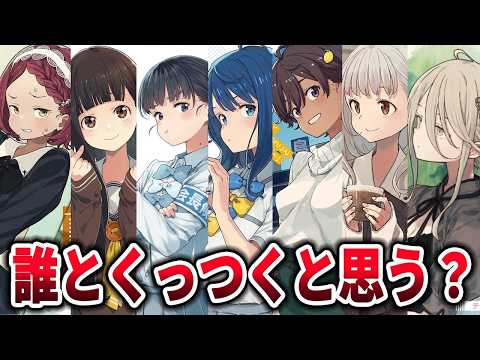
▶ Watch the original YouTube video
My Youth Romantic Comedy Is Wrong, As I Expected: A 15-Year Fan Analysis of the Heroine Debate
After 15 years of following “My Youth Romantic Comedy Is Wrong, As I Expected” (Oregairu), a devoted fan breaks down the ongoing debate over which heroine the protagonist should end up with, revealing that the series transcends typical romance tropes by focusing on character growth and the complexity of human relationships rather than romantic resolution.
What Happened
“My Youth Romantic Comedy Is Wrong, As I Expected” (Oregairu) has sparked one of the most intense heroine selection debates in anime and light novel fandom since its debut in 2013. The series, which follows protagonist Hachiman Hikigaya and his involvement with multiple heroines through a school service club, has generated widespread online discussion about which character he should ultimately end up with. The debate encompasses multiple platforms including Twitter, 5channel, and YouTube, with fans proposing various theories based on visual cues, narrative structure, and character development arcs.
Why It Matters
Oregairu represents a significant evolution in romantic comedy storytelling. Unlike traditional harem anime where the protagonist passively receives romantic attention, Oregairu presents a protagonist who actively shapes his relationships while grappling with deeper questions about human connection and personal growth. The series challenges the conventional “who wins” narrative by suggesting that the true theme is not romantic resolution but rather how each character learns and develops through their experiences. This approach has influenced how modern anime and light novels approach multi-heroine narratives, making the series a watershed moment in the genre’s evolution.
Background
The original light novel series, written by Wataru Watari, began serialization in the mid-2000s and received its anime adaptation in April 2013. The story centers on Hachiman Hikigaya, a cynical high school student who joins the school’s Service Club alongside Yukino Yukinoshita and later Iroha Isshiki. The anime has been adapted across three seasons, with the original source material still ongoing. The series gained particular prominence for its nuanced character psychology, departing from typical romantic comedy tropes by emphasizing emotional complexity and realistic high school dynamics. The voice acting, particularly Takuya Eguchi’s portrayal of Hachiman and Saori Hayami’s performance as Yukino, has been instrumental in conveying the characters’ internal conflicts.
Key Points
- Multiple heroine support: Online communities are divided among supporters of Yukino Yukinoshita (main heroine), Iroha Isshiki (later addition), and Senpai (third-year student), with each faction presenting detailed arguments for their preferred pairing.
- “No romantic ending” theory: A significant portion of fans believe the series should conclude without Hachiman entering a romantic relationship, arguing this aligns with the work’s thematic focus on personal growth rather than romance.
- Visual foreshadowing analysis: Fan communities have developed elaborate theories based on ribbon colors, necktie colors, and other visual elements, attempting to identify narrative clues about the intended ending.
- Defeat narrative structure: Each heroine experiences a “defeat moment” in the story where they confront limitations or redirect their priorities, suggesting the series explores how characters grow through setback rather than romantic victory.
- Character psychology emphasis: The series prioritizes internal monologue and emotional development over typical romantic comedy plot devices, creating a narrative where relationship dynamics matter more than romantic outcomes.
- Production quality: The anime adaptation carefully omits certain edgy elements from the source material while maintaining psychological depth through voice acting and visual direction.
Timeline
- 2013: Oregairu anime adaptation premieres, introducing audiences to Hachiman and the Service Club dynamic.
- 2015: Second season airs, deepening character relationships and introducing more complex emotional conflicts.
- 2020: Third season concludes the anime adaptation, though the original light novel series continues.
- Ongoing: Fan communities continue analyzing source material and speculating about the final narrative resolution.
Perspectives
The Yukino Supporters: This faction argues that Yukino Yukinoshita, as the primary heroine introduced earliest in the narrative, has the strongest claim to a romantic ending with Hachiman. They point to her consistent presence throughout the story and the depth of their emotional connection.
The Iroha Advocates: Supporters of Iroha Isshiki emphasize her character development and independence. They note that she maintains her own goals (athletic pursuits) and doesn’t rely on Hachiman for validation, making her a more balanced romantic partner. Visual analysis suggesting matching ribbon colors fuels this theory.
The “No Romance” Interpretation: A substantial audience believes the series intentionally subverts romantic comedy conventions by concluding without a traditional romantic pairing. This reading emphasizes that each character’s “defeat” in romantic terms represents their growth toward more authentic self-understanding.
The Thematic Analysis: Literary-focused fans argue that Oregairu functions as a coming-of-age narrative rather than a romance, where the central question is not “who does Hachiman love?” but rather “what does authentic human connection mean?” This perspective suggests the ending will prioritize thematic coherence over romantic satisfaction.
Comparative Analysis
Oregairu distinguishes itself from similar works through its narrative structure. Unlike “The Melancholy of Haruhi Suzumiya” (2006), where the protagonist passively responds to external events, Hachiman actively initiates relationships and interventions. Compared to “Persona 4,” which offers multiple endings based on player choice, Oregairu appears designed to converge toward a single canonical ending while maintaining the illusion of multiple possibilities throughout the narrative.
The series also differs from typical “losing heroine” narratives by treating each character’s romantic setback as a catalyst for personal development rather than mere narrative resolution. This approach elevates secondary characters from supporting roles to co-protagonists in their own growth arcs.
Insights
Oregairu’s enduring appeal stems from its refusal to prioritize romantic resolution over character authenticity. The series demonstrates that modern anime audiences increasingly value psychological depth and thematic consistency over conventional narrative satisfaction. The intensity of the heroine debate itself reveals that fans have internalized the series’ core message: the relationships matter not because of romantic outcomes but because of how they facilitate mutual understanding and growth.
The work’s influence on the industry is evident in how subsequent romantic comedies have adopted more psychologically complex protagonists and multi-layered character motivations. Oregairu proved that audiences would engage deeply with romance narratives that question the genre’s fundamental assumptions about love and relationships.
For new viewers, the series offers a masterclass in character-driven storytelling. The anime’s three-season arc provides a complete narrative experience, though the ongoing light novel source material continues to explore deeper thematic dimensions. The series ultimately suggests that “youth romantic comedy” is not about finding the right romantic partner but about learning to navigate the complexity of human connection with honesty and compassion.
Viewing Recommendations
For those beginning the series, starting with the first anime season is essential to understanding Hachiman’s character development and his initial isolation. The original light novel series, particularly volumes 1-6, provides additional psychological depth and character interiority that the anime necessarily condenses. Engaging with fan communities while maintaining focus on character growth rather than romantic outcomes will enhance appreciation for the series’ thematic sophistication. The complete three-season anime arc, combined with the ongoing light novel narrative, offers a comprehensive exploration of how authentic relationships develop through mutual vulnerability and honest communication.