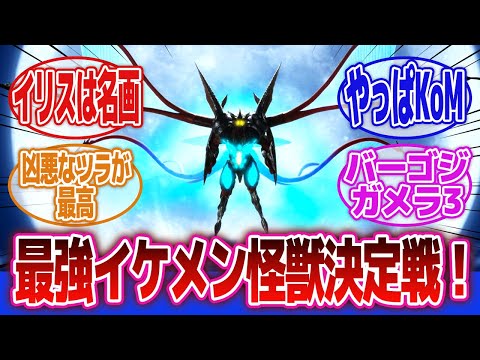
▶ Watch the original YouTube video
Why “Handsome Kaiju” Has Become a Legitimate Fan Culture Phenomenon
A viral internet poll asking fans to vote for the “most handsome kaiju” has revealed a fundamental shift in how audiences evaluate giant monsters—moving beyond raw power to embrace aesthetic beauty, character depth, and emotional resonance. This trend reflects broader changes in otaku culture and entertainment industry strategies.
What Happened
A recent internet poll asking fans to vote for the “strongest handsome kaiju” has generated significant discussion across social media platforms, with Godzilla, Gamera, and Ultra Series monsters dominating the rankings. The poll reveals that modern audiences evaluate kaiju through multiple criteria beyond traditional metrics like destructive power or intimidation factor. Instead, fans are voting based on visual design sophistication, character development, narrative importance, and even emotional appeal—concepts traditionally reserved for human characters in anime and games.
Why It Matters
This phenomenon signals a fundamental evolution in Japanese monster culture and otaku fandom. For decades, kaiju were primarily evaluated as forces of destruction or symbols of raw power. The emergence of “handsome kaiju” as a legitimate evaluation framework demonstrates how fan culture has democratized aesthetic judgment, allowing subjective and emotional criteria to coexist with objective measures of strength. This shift has significant implications for how entertainment companies develop and market monster-based franchises, particularly in attracting younger and female audiences who may not have engaged with traditional kaiju media.
Background
The kaiju genre has undergone significant transformation over the past three decades. The 1984-1995 Heisei Godzilla series introduced more sophisticated visual design and thematic depth. The 2016 film “Shin Godzilla” marked a watershed moment, presenting Godzilla as a subject of biological study and existential inquiry rather than merely a destructive force. Simultaneously, the Heisei Gamera trilogy (1995-1999) reframed the flying turtle as a protective, almost benevolent entity capable of coexisting with humanity. The Ultra Series, meanwhile, has consistently featured kaiju with diverse designs and individual characteristics, making them suitable subjects for character-based appreciation.
The rise of “oshi” (favorite character support) culture in anime and gaming communities has created a framework through which fans can express personal preference and identity. This cultural shift has now extended to kaiju, with hashtags like #推し怪獣 (my favorite kaiju) becoming common on social media platforms including Twitter and Niconico Video.
Key Points
- Godzilla’s Dominance: Consistently ranks highest in polls due to its “kingly dignity,” visual refinement, and central narrative role as nature’s ultimate authority figure challenging human civilization.
- Gamera’s Reappraisal: Once viewed as a secondary monster, Gamera has been re-evaluated as an “gentle handsome” kaiju, appreciated for its protective instincts and potential for coexistence with humanity.
- Ultra Series Diversity: Monsters like Zetton, Bemstar, and Gatanozoa demonstrate that “handsomeness” in kaiju encompasses varied aesthetic expressions and individual character traits.
- Multi-Generational Appeal: The poll draws participation from viewers spanning from the Showa era through the Reiwa period, indicating the genre’s sustained cultural relevance.
- Evaluation Criteria Evolution: Modern fans prioritize visual design, atmospheric presence, character development, and emotional connection over traditional metrics like destructive capability.
- SNS-Driven Visibility: Social media platforms have made personal kaiju preferences visible and shareable, creating communities around specific monsters and reinforcing the “oshi” framework.
Timeline
- 1984-1995: Heisei Godzilla series introduces more sophisticated visual design and thematic complexity.
- 1995-1999: Heisei Gamera trilogy reframes the monster as a protective, intelligent entity.
- 1995 onwards: Ultra Series evolves to present kaiju as individual characters with distinct personalities and abilities.
- 2015: Renewed appreciation for Gamera trilogy’s cinematic quality and character depth.
- 2016: “Shin Godzilla” presents Godzilla as a subject of biological and existential inquiry, marking a turning point in how audiences perceive the monster.
- 2019: “Godzilla: King of the Monsters” emphasizes Godzilla’s role as a central dramatic figure rather than mere antagonist.
- 2015-Present: “Kaiju girl” genre and character-focused monster media expand, normalizing the concept of kaiju as subjects of aesthetic and emotional appreciation.
- Recent: Viral “handsome kaiju” poll demonstrates mainstream acceptance of subjective, character-based evaluation frameworks.
Perspectives
The Character-Appreciation View: Supporters of the “handsome kaiju” concept argue that monsters deserve the same multidimensional evaluation applied to human characters. They point to Godzilla’s portrayal as a tragic, almost Shakespearean figure and Gamera’s role as a protective guardian as evidence that kaiju can embody complex emotional and thematic content. This perspective emphasizes visual design sophistication, narrative importance, and the capacity to inspire emotional investment.
The Traditionalist Critique: Some longtime fans argue that the “handsome kaiju” framework diminishes the genre’s core appeal—the primal fear and awe inspired by overwhelming destructive force. They contend that reducing kaiju to aesthetic objects or character archetypes misses the essential existential anxiety that makes the genre meaningful. However, even critics acknowledge that kaiju culture is fundamentally changing.
The Industry Perspective: Entertainment companies recognize that “handsome kaiju” framing opens the genre to younger audiences and female fans traditionally underrepresented in kaiju fandom. This has influenced casting decisions, narrative focus, and merchandise strategies across multiple media platforms including film, anime, and gaming.
Comparative Analysis: Kaiju Franchises and Their “Handsomeness” Appeal
Godzilla Series: Represents “kingly dignity” and existential authority. Godzilla’s appeal lies in its role as nature’s ultimate power, challenging human civilization and forcing philosophical reckoning. The monster embodies both destructive force and tragic grandeur.
Gamera Series: Represents “gentle protectiveness” and interspecies cooperation. Unlike Godzilla’s indifference to humanity, Gamera actively chooses to defend humans. This distinction appeals to audiences seeking hope and coexistence narratives.
Ultra Series Kaiju: Represent “individual diversity” and varied aesthetic expressions. Each monster possesses distinct abilities, behavioral patterns, and visual characteristics, making them suitable for character-focused appreciation and fan preference voting.
Modern Gaming Kaiju: “Monster Hunter” series treats kaiju as subjects of study and analysis rather than mere enemies, encouraging players to appreciate biological complexity and aesthetic design alongside combat mechanics.
The Psychology of “Oshi” Kaiju Culture
The emergence of “favorite kaiju” (oshi kaiju) culture reflects broader trends in contemporary otaku communities. Choosing a favorite monster is no longer merely expressing preference—it has become a form of identity expression. A fan who supports Godzilla signals respect for authority and existential inquiry, while a Gamera supporter expresses values of gentleness and coexistence. This psychological mechanism mirrors how fans engage with human characters in anime and games, where character preference becomes a reflection of personal values and worldview.
Social media platforms have amplified this dynamic by making preferences visible and shareable. Hashtags like #推し怪獣 (my favorite kaiju) create communities of like-minded fans, reinforcing individual preferences through collective engagement. This visibility has transformed kaiju appreciation from a solitary activity into a participatory social practice.
Industry Implications and Future Trends
Younger Audience Acquisition: Traditional kaiju franchises face aging fan bases. The “handsome kaiju” framework provides a bridge to younger audiences, particularly female fans, by emphasizing character and aesthetic dimensions alongside action and spectacle.
Transmedia Expansion: Godzilla and other franchises are increasingly developed across multiple media platforms—film, anime, games, manga, and merchandise. Each medium can emphasize different aspects of a monster’s character, deepening fan engagement and supporting the “oshi” framework.
Visual Platform Dominance: The rise of TikTok and Instagram has elevated visual design as a primary evaluation criterion. Kaiju with striking, photogenic designs benefit from increased visibility and fan-created content, further reinforcing the “handsome kaiju” concept.
Character Merchandising: As kaiju become subjects of character-focused fandom, merchandise strategies are shifting. Fan art, cosplay, and character goods are expanding, treating kaiju as legitimate subjects of creative fan expression rather than merely antagonistic forces.
Insights
The “handsome kaiju” phenomenon represents a maturation of monster culture from genre entertainment to character-driven fandom. This shift reflects how contemporary audiences apply sophisticated aesthetic and emotional criteria across all entertainment media, regardless of whether subjects are human or monstrous. The poll demonstrates that kaiju can simultaneously function as symbols of existential power (Godzilla), protective guardians (Gamera), and individual characters with distinct personalities (Ultra Series monsters).
This evolution has significant cultural implications. It suggests that Japanese monster culture, once dismissed as B-movie entertainment, has achieved the narrative and aesthetic sophistication to support the same depth of fan engagement as mainstream character-driven media. The international success of films like “Shin Godzilla” and the global reach of the Ultra Series indicate that this appreciation extends beyond Japan.
The phenomenon also reveals how otaku culture continuously reframes entertainment subjects through new interpretive lenses. Just as anime characters have been evaluated through “oshi” frameworks for years, kaiju are now receiving similar treatment. This democratization of aesthetic judgment—where subjective preference becomes as valid as objective power metrics—represents a fundamental shift in how fan communities construct meaning and express identity through entertainment media.
Looking forward, the “handsome kaiju” trend will likely accelerate as younger generations encounter monster media through diverse platforms and as entertainment companies deliberately cultivate character-focused narratives around kaiju properties. The result will be a richer, more inclusive monster culture that accommodates multiple evaluation frameworks and appeals to broader audiences while maintaining the genre’s core appeal to longtime enthusiasts.