▶ Watch the original YouTube video
Hasaway’s Fall into Darkness: How Mobile Suit Gundam’s Most Controversial Character Arc Challenges the Franchise
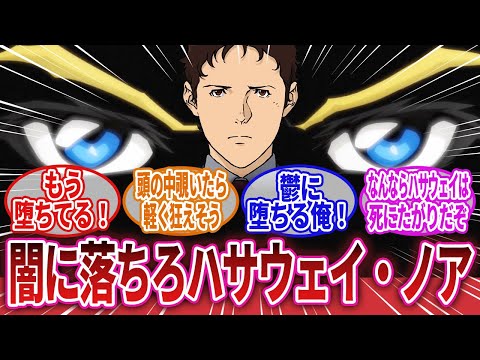
The line “Fall into darkness, Hasaway Noah!” from the Mobile Suit Gundam film series marks a pivotal moment in anime storytelling, where an idealistic protagonist transforms into a terrorist. This dramatic character arc has sparked intense debate across online communities, raising fundamental questions about justice, morality, and the cost of idealism in a corrupt world.
What Happened
In the Mobile Suit Gundam film series “Hathaway’s Flash,” the character Hasaway Noah undergoes a dramatic moral transformation. The line “Fall into darkness, Hasaway Noah!” spoken by Shura Serpentine represents a critical turning point in Hasaway’s journey from idealistic young soldier to leader of an anti-government terrorist organization. This moment symbolizes Hasaway’s acceptance of increasingly radical methods to combat what he perceives as corruption within the Earth Federation government, ultimately leading him to commit acts of terrorism in pursuit of his idealistic goals.
Why It Matters
This character arc represents a significant departure from traditional Gundam storytelling, where protagonists typically maintain moral clarity despite the horrors of war. By depicting a main character’s descent into terrorism—even when motivated by genuine idealism—the filmmakers challenge viewers to confront uncomfortable moral ambiguities. The story raises critical questions about the nature of justice, the dangers of ideological extremism, and whether noble intentions can justify harmful actions. In the context of 2020s social discourse, where young people increasingly question institutional authority and the definition of justice itself, Hasaway’s trajectory resonates with contemporary audiences grappling with similar philosophical dilemmas.
Background
Hasaway Noah first appeared in “Mobile Suit Gundam: Char’s Counterattack” (1988) as a young Federation soldier. The character’s full story unfolds across the “Hathaway’s Flash” film trilogy, which adapts Yoshiyuki Tomino’s original novels. Unlike previous Gundam protagonists such as Amuro Ray, who ultimately returned to institutional service, or Shiro Amada, who withdrew from conflict entirely, Hasaway chooses a third path: establishing his own organization to actively oppose the Federation government. His transformation is characterized by a gradual radicalization process, where idealistic opposition to government corruption escalates into violent terrorist activities. The films depict this psychological journey with unprecedented depth for the franchise, showing how a well-intentioned young man becomes convinced that bombing campaigns and assassination are justified means to achieve systemic change.
Key Points
- Character Transformation: Hasaway evolves from an idealistic young soldier into the leader of a terrorist organization operating under the alias Mafty Navue Erin, all while believing his actions serve justice.
- The Significance of Shura’s Line: The statement “Fall into darkness, Hasaway Noah!” functions not as a command but as recognition—Shura acknowledges Hasaway’s true nature and essentially grants him permission to embrace his darker impulses.
- Psychological Complexity: Hasaway’s descent illustrates how idealists can rationalize increasingly extreme actions when confronted with systemic corruption and institutional failure.
- Franchise Precedent: Unlike Amuro Ray (who returned to the Federation) or Shiro Amada (who abandoned conflict), Hasaway actively establishes an opposition organization, representing a more proactive and dangerous path.
- Online Reception Diversity: Internet responses ranged from emotional support for Hasaway’s idealism to criticism of his terrorist methods, with extensive debate about whether his actions constitute justified resistance or self-deluded villainy.
- Production Intent: Director Yoshiyuki Tomino has stated that Hasaway’s story explores how idealists are crushed by reality, suggesting the filmmakers deliberately crafted this arc as tragic inevitability rather than moral failure.
Timeline
- 1988: Hasaway Noah first appears as a young soldier in “Mobile Suit Gundam: Char’s Counterattack.”
- 2015-2017: “Mobile Suit Gundam: Iron-Blooded Orphans” explores similar themes of protagonists losing their humanity for organizational purposes, establishing a trend in modern Gundam storytelling.
- 2019: The first “Hathaway’s Flash” film is released, beginning the detailed adaptation of Hasaway’s transformation.
- 2021: Subsequent films in the “Hathaway’s Flash” trilogy are released, depicting Hasaway’s full descent into terrorism and sparking widespread online discussion.
- 2022: “Mobile Suit Gundam: The Witch from Mercury” continues the franchise’s exploration of protagonists compromised by institutional pressures and moral ambiguity.
Perspectives
Supportive Interpretation: Many fans view Hasaway’s transformation as a tragic but necessary response to genuine institutional corruption. From this perspective, the line “Fall into darkness, Hasaway Noah!” represents Shura’s recognition that Hasaway possesses the moral clarity and courage to act where others merely complain. Supporters argue that Hasaway’s terrorist activities, while morally questionable, address real systemic failures that conventional channels cannot reform. This interpretation emphasizes the tragedy of idealism meeting an immovable corrupt system.
Critical Interpretation: Other viewers argue that Hasaway’s actions constitute unjustifiable terrorism regardless of his motivations. This perspective questions whether Hasaway’s idealism genuinely justifies bombing campaigns and assassination, or whether he has simply rationalized evil as good. Critics note that the film may inadvertently romanticize extremism by presenting the protagonist’s terrorist activities as sympathetic responses to corruption.
Psychological Analysis: A third perspective focuses on Hasaway as a case study in radicalization. From this view, the line represents a moment where Hasaway accepts his own capacity for violence, marking the point where ideological commitment transforms into psychological justification for harmful acts. This interpretation treats the narrative as a cautionary tale about how intelligent, well-intentioned individuals can become radicalized through exposure to systemic injustice.
Production Intent: Director Yoshiyuki Tomino’s stated intention was to depict idealism’s collision with reality, suggesting the narrative presents Hasaway’s fall as tragic inevitability. This perspective views the character not as a hero or villain, but as a tragic figure whose idealism makes him vulnerable to radicalization when confronted with institutional failure.
Insights
The line “Fall into darkness, Hasaway Noah!” and the character arc it represents mark a significant evolution in Gundam storytelling. Rather than presenting clear moral binaries between heroes and villains, the franchise increasingly explores the psychological mechanisms through which idealistic individuals become radicalized. Hasaway’s story suggests that the greatest danger to society may not come from those who consciously choose evil, but from idealists who convince themselves that any means justify their noble ends.
The intense online debate surrounding this character arc reflects broader contemporary concerns about institutional legitimacy, the definition of justice, and the psychological pathways to extremism. By depicting a sympathetic protagonist’s transformation into a terrorist, the filmmakers force audiences to confront uncomfortable truths: that moral clarity is difficult to maintain under systemic pressure, that idealism can become dangerous when divorced from pragmatism, and that the line between justified resistance and unjustified terrorism is far more ambiguous than traditional narratives suggest.
The character also represents a departure from earlier Gundam protagonists. Amuro Ray’s return to institutional service and Shiro Amada’s withdrawal from conflict both represent attempts to preserve moral integrity within or outside the system. Hasaway’s choice to establish an opposition organization suggests a third path—one that is more proactive, more ideologically committed, and ultimately more destructive. This evolution reflects changing attitudes toward institutional authority and the perceived legitimacy of resistance movements.
For viewers approaching this material, the key insight is that Hasaway’s story functions as both entertainment and social commentary. It asks audiences to examine their own assumptions about justice, institutional reform, and the moral calculus of political violence. Whether one views Hasaway as a tragic idealist or a self-deluded terrorist likely depends on one’s own philosophical framework regarding institutional change and the justifiability of violent resistance. In this ambiguity lies the story’s enduring power and relevance to contemporary audiences.