▶ Watch the original YouTube video
Why Danganronpa’s Scrapped Character Designs Reveal the Creative Genius Behind the Series
A deep dive into Danganronpa’s abandoned character concepts reveals the creative decision-making process behind one of gaming’s most influential visual novel franchises. From alternate protagonist designs to completely reimagined plot structures, these scrapped ideas showcase how deliberate creative choices shaped the final product.
What Happened
Official design documents and development materials from the Danganronpa series have revealed numerous scrapped character concepts that never made it into the final games. These abandoned designs include alternate versions of key characters, completely different plot directions, and thematic explorations that were ultimately rejected during production. The revelation of these materials has sparked significant discussion within the fan community about how different creative choices could have fundamentally altered the narrative structure and emotional impact of the series.
Why It Matters
Understanding scrapped character designs provides valuable insight into the creative development process of interactive media. These abandoned concepts demonstrate how developers weigh narrative coherence, character balance, tonal consistency, and thematic unity when making design decisions. For fans and aspiring creators alike, examining these rejected ideas illuminates the reasoning behind final creative choices and reveals the complexity of game development. The transparency of this process helps audiences appreciate the intentionality behind finished works and understand that creative excellence often emerges through careful elimination of alternatives.
Background
Danganronpa, which debuted in 2010, revolutionized the visual novel genre with its innovative mystery-solving mechanics and unpredictable narrative structure. Since its initial release, the franchise has maintained a dedicated fanbase that extends beyond casual players to include serious analysts of game design and narrative construction. The series’ success stems partly from its careful character design and thematic coherence—elements that required significant creative refinement during development. Official design documents released in subsequent years have provided rare glimpses into the decision-making process, revealing the numerous alternatives considered before final character designs were locked in.
Key Points
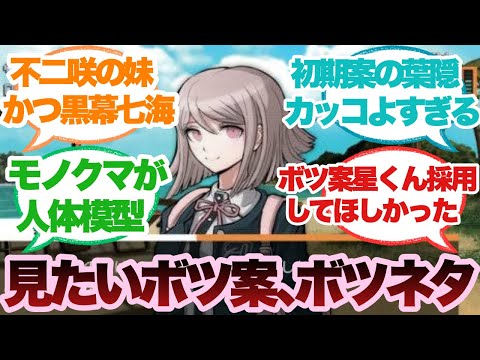
- Nanami’s Original Concept: Early design documents suggest that Nanami Chiaki was originally conceived as the younger sister of protagonist Makoto Naegi, with a planned role as the game’s antagonist rather than her final position as a supporting character.
- Teruteru’s Initial Design: Flower-themed character Teruteru Hanamura was originally designed as a conventionally attractive male character before being redesigned with his distinctive appearance, which fundamentally altered how his comedic dialogue functions within the narrative.
- The “End” Character Concept: A scrapped character concept called “End” was considered for a rival position in Danganronpa 2, representing themes of finality and closure that would have shifted the game’s overall thematic direction.
- Multiple Abandoned Archetypes: Design documents reveal exploration of diverse character archetypes including a criminal character, a zombie-themed character, and a gas-mask-wearing otaku, each representing different thematic explorations that were ultimately deemed incompatible with the final game’s narrative structure.
- Tonal and Thematic Consistency: The elimination of these characters appears driven by concerns about maintaining tonal consistency and ensuring that character designs aligned with the game’s central themes of hope and despair.
- Fan Reception: Online communities have expressed strong interest in these scrapped designs, with fans actively discussing how alternative character choices would have altered their emotional engagement with the narrative.
Timeline
- 2010: Original Danganronpa released, establishing the franchise’s core design philosophy.
- 2012: Danganronpa 2 released, featuring the final versions of characters whose designs had undergone significant revision.
- 2015: Official design document collections published, first revealing scrapped character concepts to the broader fanbase.
- 2016: Danganronpa V3 released, incorporating lessons learned from previous design iterations regarding character appearance and narrative function.
- 2020: Retrospective analysis of character design choices became more prevalent in fan communities as design documents circulated more widely.
Perspectives
The Designer’s Intent: From the development perspective, the elimination of these character concepts reflects a commitment to thematic coherence and narrative efficiency. Each rejected design appears to have been removed because it either conflicted with the game’s central themes or duplicated the narrative function of characters that were ultimately retained. The decision to redesign Teruteru from an attractive character to his final distinctive appearance demonstrates how visual design directly impacts comedic and tonal function—an attractive character delivering crude jokes would register as harassment rather than humor, fundamentally altering audience reception.
The Fan Perspective: Community responses reveal that fans appreciate understanding the creative reasoning behind final designs. Rather than viewing scrapped concepts as failures, engaged players recognize them as evidence of thoughtful creative iteration. Comments expressing interest in alternative designs suggest that fans value the transparency of the development process and enjoy speculating about how different choices would have altered their emotional experience of the narrative.
The Narrative Analysis: From a structural perspective, the scrapped concepts reveal that character design in Danganronpa serves multiple simultaneous functions: establishing visual archetypes, supporting thematic exploration, maintaining gender and personality balance within the ensemble cast, and ensuring tonal consistency throughout the narrative. The rejection of these alternatives suggests that developers prioritized narrative coherence and emotional impact over individual character concepts, even when those concepts possessed inherent creative merit.
Insights
The revelation of Danganronpa’s scrapped character designs illuminates a fundamental principle of sophisticated game design: creative excellence often emerges through disciplined elimination rather than accumulation. Each rejected character concept—whether Nanami as antagonist, Teruteru as an attractive character, or the thematically complex “End” rival—possessed potential merit but ultimately would have compromised the carefully balanced narrative structure that defines the series.
The most instructive example involves Nanami’s original conception as Makoto’s sister and antagonist. Had this design been retained, the game’s gender balance would have shifted dramatically, the nature of betrayal would have transformed from philosophical to familial, and the central theme would have shifted from exploring the relativity of hope and despair to examining the breakdown of familial trust. This single design decision cascades through the entire narrative structure, demonstrating how character design functions as a foundational element of game architecture.
Similarly, Teruteru’s redesign reveals how visual presentation directly determines how audiences interpret identical dialogue. The same crude jokes function as acceptable comedy when delivered by a character with a distinctive, non-threatening appearance, but would register as inappropriate harassment if delivered by a conventionally attractive character. This demonstrates that character design in narrative-driven games operates simultaneously as aesthetic choice, tonal regulator, and narrative function.
The fan community’s sustained interest in these scrapped concepts suggests that transparency about creative process enhances rather than diminishes appreciation for finished works. By understanding the alternatives considered and rejected, audiences develop deeper appreciation for the intentionality of final designs and recognize that creative excellence requires difficult choices about what to exclude. This principle extends beyond game design to all forms of creative media, suggesting that audiences benefit from understanding not just what creators chose to include, but what they deliberately chose to exclude and why.
For future Danganronpa projects, the accessibility of these design documents establishes a precedent for creative transparency that contemporary audiences increasingly expect. Rather than presenting finished works as inevitable, developers who share their creative process invite audiences to participate in understanding the reasoning behind design choices, transforming passive consumption into active engagement with creative decision-making.