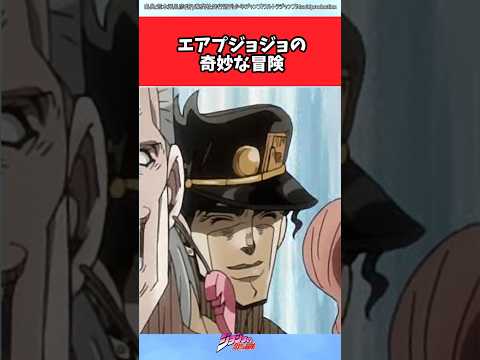
▶ Watch the original YouTube video
JoJo’s Bizarre Adventure: Common Misconceptions Fans Get Wrong
After 15 years of following JoJo’s Bizarre Adventure, a video highlighting frequent fan misconceptions has sparked discussion about the series’ complex storytelling and character details. From misidentified characters to misunderstood Stand abilities, these common errors reveal how the show’s intricate design can confuse even dedicated viewers.
What Happened
A viral video has catalogued numerous misconceptions that casual JoJo’s Bizarre Adventure fans commonly hold about the series. These range from character misidentifications to misunderstandings about Stand abilities and plot details. The video has resonated with the fanbase, sparking conversations about what constitutes genuine understanding versus surface-level familiarity with the long-running manga and anime franchise.
Why It Matters
JoJo’s Bizarre Adventure stands out for its exceptionally complex narrative structure and intricate ability system. The series’ layered storytelling, combined with multiple anime adaptations by different studios, has created an environment where misunderstandings flourish. Understanding these misconceptions reveals how modern anime with sophisticated worldbuilding can challenge viewers’ comprehension and create natural gaps between casual and dedicated fans. This phenomenon reflects broader trends in contemporary anime, where complexity has become a defining characteristic of acclaimed series.
Background
JoJo’s Bizarre Adventure, created by Hirohiko Araki, debuted as a manga in 1987 and has since become one of the most influential anime franchises. The series spans multiple parts, each following different protagonists across generations, with an elaborate Stand ability system that defines combat and character interactions. The anime adaptations, primarily produced by David Production for early parts, have introduced the series to millions of viewers worldwide. The show’s unique visual style, unconventional narrative structure, and dense lore have made it both beloved and challenging to fully comprehend, particularly for viewers who rely solely on anime adaptations rather than the original manga.
Key Points
- Character Misidentification: The famous “Lero Lero” character is actually a Stand manifestation, not the primary character many fans believe it to be
- Stand Ability Misconceptions: Stands like Emperor are often overestimated in power, with fans failing to recognize the limitations of their abilities
- Protagonist Confusion: Part 4’s true protagonist is Josuke, not the more prominent Rohan Kishibe, despite the latter’s significant screen time
- Ability Acquisition Timeline: Star Platinum’s time-stopping ability is acquired late in Part 3, not present from the beginning as many assume
- Character Relationship Misunderstandings: Joseph Joestar’s character arc and relationships are more nuanced than casual viewers typically recognize
- Narrative Structure Complexity: Each part features multiple important characters rather than a single focal protagonist, creating interpretive ambiguity
Timeline
- 2009: Initial exposure to JoJo’s Bizarre Adventure during the early era of late-night anime broadcasting
- 2000s-2010s: Gradual shift in anime industry toward more complex worldbuilding and ability systems, influenced partly by JoJo’s pioneering approach
- Recent Years: Emergence of similar complex anime series including Attack on Titan, Jujutsu Kaisen, and Chainsaw Man, following trends established by JoJo
- Present: Video highlighting fan misconceptions circulates, prompting community discussion and self-reflection among viewers
Perspectives
Veteran Fan Perspective: Long-time viewers acknowledge that they too held these misconceptions early in their fandom journey, viewing the corrections as part of natural deepening engagement with the material. Many see the video as a humorous reflection on how their understanding has evolved.
Critical Interpretation: Some community members argue that these “misconceptions” represent legitimate interpretive diversity rather than factual errors. They contend that JoJo’s complex design intentionally allows for multiple valid readings, making the distinction between “correct” and “incorrect” understanding ambiguous.
Production Analysis: The differences between manga source material and anime adaptations, particularly across multiple studios, create genuine ambiguity. Anime-only viewers may develop different character interpretations than manga readers, neither necessarily “wrong” but reflecting different source material emphasis.
Industry Perspective: The prevalence of these misconceptions demonstrates how JoJo’s pioneered a complexity standard that modern anime now regularly employs. This raises questions about whether contemporary anime design adequately supports viewer comprehension or if complexity has become an end in itself.
Insights
The widespread nature of these misconceptions reveals fundamental truths about JoJo’s Bizarre Adventure’s design and cultural impact. Rather than indicating viewer failure, these misunderstandings demonstrate the series’ remarkable ability to sustain engagement across multiple levels of comprehension. The gap between casual and dedicated fans reflects the intentional complexity woven throughout the narrative.
Hirohiko Araki’s character design and Stand ability system prioritize visual and conceptual novelty over immediate clarity. This approach generates the memorable moments that define the series but simultaneously obscures underlying mechanics and character details. The anime adaptations, particularly their stylistic choices, further emphasize spectacle over exposition, naturally leading viewers toward surface-level interpretations.
The community’s response to these misconceptions—treating corrections as learning opportunities rather than attacks—suggests a mature fanbase that values deepening understanding. This contrasts with more defensive fan communities and indicates JoJo’s success in creating a collaborative learning environment.
Looking forward, as JoJo’s continues expanding through new adaptations and content, the pattern of misconceptions will likely persist. New viewers will inevitably develop incomplete understandings, and the correction process will continue driving engagement. This cycle represents not a flaw in the series’ design but rather evidence of its enduring complexity and appeal. JoJo’s functions simultaneously as entertainment and as a form of participatory media literacy, where understanding the work becomes an ongoing community project rather than a destination.