▶ Watch the original YouTube video
Why Yamaoka Shiro from Gourmet Master Is Considered Ruthless: A Structural Analysis
After 15 years of anime research and analyzing over 500 series, one character stands out as problematic: Yamaoka Shiro from the long-running gourmet manga Gourmet Master. Despite being the protagonist, his behavior—publicly criticizing clients, rejecting food without consideration, and prioritizing personal taste over professional relationships—raises questions about why the narrative justifies his actions.
What Happened
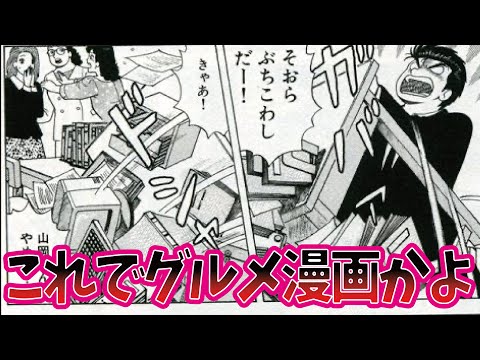
Yamaoka Shiro, the protagonist of Gourmet Master, has become the subject of renewed criticism online for his treatment of others in pursuit of culinary perfection. A notable incident involves a department store pre-opening event where Yamaoka publicly tasted a radish, declared it “fake” and inedible, and returned it without consideration for the store owner’s efforts or the media presentation. While the narrative frames this as honest food criticism, viewers increasingly question whether such behavior constitutes professional misconduct rather than admirable integrity.
Why It Matters
Yamaoka’s character reflects broader questions about how manga and anime portray individualism, professional ethics, and social responsibility. The series was created during Japan’s 1980s-90s economic transition, when personal conviction was valued over organizational hierarchy. Understanding why his behavior is justified within the narrative—despite being objectively harmful to colleagues and clients—reveals how media shapes our perception of what constitutes acceptable conduct. This analysis matters because it demonstrates how fictional characters can normalize problematic workplace behavior when framed as principled conviction.
Background
Gourmet Master is a long-running manga series that established the gourmet manga genre in Japan. The story follows Yamaoka Shiro, a food journalist who pursues “the ultimate dish” through his “Ultimate” project at a weekly magazine. The series spans decades and includes Yamaoka’s relationship with his estranged father, Kaigenuma Yuzan, who launches a competing “Supreme” project. While the manga is celebrated for popularizing food-focused storytelling, its protagonist’s interpersonal conduct has become increasingly scrutinized by modern audiences. Yamaoka’s extreme food preferences, traced to his childhood diet, manifest as rigid taste standards that he imposes on others without regard for social context.
Key Points
- Yamaoka publicly criticized a radish at a department store event, declaring it inedible and returning it, prioritizing personal taste standards over professional courtesy and the client’s preparation efforts.
- His extreme food preferences may indicate neurodevelopmental traits such as autism spectrum characteristics, though the narrative frames them as legitimate culinary expertise rather than exploring underlying psychological factors.
- Yamaoka’s claims about proper fried rice preparation—requiring high-heat wok tossing and direct flame contact—lack scientific basis and contradict actual Chinese cooking practices, suggesting the manga prioritizes narrative persuasion over factual accuracy.
- Despite being professionally disruptive, Yamaoka achieves sales results, yet remains a junior employee, suggesting the organization contains his impact by limiting his authority rather than promoting him.
- The narrative consistently justifies Yamaoka’s behavior through a “food truth-seeker’s privilege” framework, reflecting 1980s-90s values that prioritized individual conviction over organizational harmony.
- His colleague Kurita, who marries him, endures constant professional disruption—lateness, insubordination, and public disagreement—yet the narrative frames this as romantic commitment rather than workplace dysfunction.
Timeline
- 1980s-1990s: Gourmet Master serialization begins during Japan’s economic transition; individual conviction gains cultural value as economic growth slows.
- Early anime adaptation: The anime version softens Yamaoka’s character compared to the manga, making his behavior less overtly problematic.
- Later series arc: Yamaoka’s father introduces the competing “Supreme” project, creating ideological conflict that eventually resolves through emotional reconciliation rather than philosophical resolution.
- Modern reappraisal: Online communities begin questioning whether Yamaoka’s behavior should be celebrated or criticized, revealing generational shifts in workplace ethics perception.
Perspectives
The Justification View: Some viewers argue Yamaoka’s behavior is acceptable because results matter more than process. They note that clients ultimately accept his criticism and that his sales achievements prove his value. This perspective prioritizes outcomes over interpersonal impact.
The Criticism View: Others contend that publicly rejecting a client’s product, regardless of outcome, violates professional norms. They emphasize that Yamaoka’s behavior damages relationships and creates unnecessary conflict, making him unsuitable for roles requiring team coordination.
The Psychological View: A third perspective interprets Yamaoka’s extreme preferences and rigid behavior as indicators of neurodevelopmental characteristics. Rather than moral judgment, this view seeks to understand his conduct through psychological frameworks, though the narrative itself never explores this possibility.
The Historical View: Some recognize Yamaoka as a product of 1980s-90s Japanese values, when individual integrity was culturally celebrated. This perspective contextualizes his behavior within its era rather than judging it by contemporary workplace standards.
Insights
Yamaoka Shiro represents a fascinating case study in how narrative framing shapes moral judgment. The manga establishes a framework—”food truth-seeker’s privilege”—that exempts him from normal social accountability. His behavior would constitute workplace misconduct in any real organization, yet the series consistently validates his actions through narrative resolution where clients eventually agree with him.
This pattern reveals how media can normalize problematic conduct when it serves a compelling narrative. The series prioritizes emotional satisfaction (client acceptance, relationship repair) over structural consistency. When Yamaoka’s father’s competing “Supreme” project could have created genuine ideological conflict, the narrative instead resolves it through familial reconciliation, avoiding deeper philosophical engagement.
The character also demonstrates how extreme personal standards—whether in food preference or professional conduct—correlate with reduced relationship-building capacity. Colleagues like Kurita suffer constant disruption, yet the narrative frames this as romantic devotion rather than dysfunction. This suggests the manga conflates individual conviction with virtue, a value system that modern organizational psychology would question.
For contemporary audiences, Gourmet Master functions best not as a guide to food knowledge or professional conduct, but as a historical artifact revealing how 1980s-90s Japanese culture valued personal integrity over collective harmony. The series’ enduring appeal lies in its human drama—the idea that shared meals can resolve conflict—rather than in its culinary or professional accuracy. Understanding this distinction allows readers to appreciate the work while maintaining critical distance from its protagonist’s behavior.