▶ Watch the original YouTube video
Granblue Fantasy’s Summer Artman Evaluation: Why Player Opinions Sharply Divide
Granblue Fantasy players are split on the value of the limited-time Summer Artman character, with assessments ranging from “game-changing” to “unnecessary.” This division reveals how modern live-service games balance character strength, player progression levels, and content difficulty—a design challenge that extends across the entire gaming industry.
What Happened
A video review of Granblue Fantasy’s Summer Artman character sparked significant debate within the player community. The character, available through limited-time gacha mechanics, offers powerful support capabilities through a “Tension” buff system but comes with conditional activation requirements. Player reactions ranged from praising the character as essential for high-difficulty solo content to dismissing it as unnecessary for casual play.
Why It Matters
Summer Artman’s polarized reception illustrates a fundamental challenge in live-service game design: balancing character strength to satisfy different player segments without creating mandatory purchases. The character’s evaluation reveals how playstyle, progression level, and content difficulty create entirely different value propositions for different players. This pattern extends beyond Granblue Fantasy to titles like Monster Strike, Puzzle & Dragons, and Genshin Impact, making it a critical case study for understanding modern game balance philosophy.
Background
Granblue Fantasy is a long-running gacha RPG where limited-time characters are regularly introduced through premium summoning mechanics. Summer Artman represents a particular design philosophy: a character that excels in specific high-difficulty content but remains optional for general progression. The character’s core mechanic revolves around a Tension buff system that unlocks full power only when Tension reaches level 4, creating a conditional strength model that divides player assessment.
Key Points
- Core Evaluation: Summer Artman functions as an excellent support character but is not mandatory for current endgame content
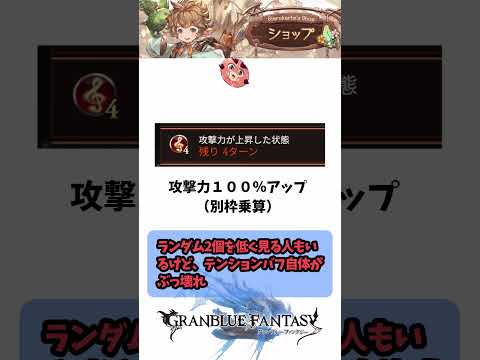
- Tension Mechanic: The character’s strength is genuine, but its full potential requires reaching Tension level 4, creating a condition-based power model
- Randomness Factor: The character’s skills include random elements (“Randomness 2”), which some players view negatively despite strong underlying performance numbers
- Content-Dependent Value: Summer Artman significantly improves high-difficulty solo encounters like Lucifer Zero but remains replaceable in standard content
- Acquisition Method: Availability through limited-time tickets positions the character as “convenient if obtained” rather than “essential”
- Player Satisfaction: Users who obtained the character report meaningful improvements in difficult content, indicating successful design intent
The Evaluation Divide: Understanding Player Perspectives
The split in Summer Artman assessments stems from three distinct player archetypes. High-difficulty solo content enthusiasts view the character as genuinely valuable, citing specific encounters where Summer Artman meaningfully reduces challenge. Casual and story-focused players find the character unnecessary, as Granblue’s standard content remains completable without limited characters. Mid-tier players occupy a middle ground, recognizing the character’s utility while questioning whether the investment justifies the conditional activation requirements.
The Tension mechanic exemplifies this divide. While the buff itself is objectively powerful, achieving Tension level 4 consistently requires specific team compositions and planning. Players comfortable with team optimization see this as engaging complexity; players preferring straightforward strategies view it as an unnecessary barrier. This psychological gap between theoretical power and practical satisfaction represents a recurring phenomenon across live-service titles.
The randomness element further complicates assessment. Despite identical mathematical performance, skills labeled “random” consistently receive lower subjective ratings than deterministic alternatives. This psychological phenomenon—where uncertainty reduces perceived value independent of actual probability outcomes—appears consistently across multiple game titles and player bases.
Comparative Analysis: Summer Artman in Context
Summer Artman’s design parallels similar characters across other major titles. Monster Strike’s new leaders create environment-shifting power but remain optional for non-hardcore players. Puzzle & Dragons’ leader skills offer maximum power only under specific team compositions, creating similar evaluation splits. Genshin Impact’s characters show identical patterns: endgame-focused players and story-focused players assign radically different values to identical characters.
The key distinction lies in implementation philosophy. Monster Strike tends toward environment-altering releases that shift meta fundamentally. Granblue’s approach emphasizes “convenient but not mandatory” positioning, which research suggests produces higher long-term player satisfaction by reducing gear-check frustration for casual players while rewarding optimization-focused players.
Design Intent and Operational Strategy
Summer Artman’s release timing—following the conclusion of a major event—reflects deliberate operational strategy observed across successful live-service games. New character releases positioned after major content cycles capitalize on player readiness for the next progression phase. The character’s conditional strength model serves multiple functions: it rewards player investment in team optimization, creates ongoing engagement through team-building discussions, and maintains accessibility for players unable to obtain the character.
The Tension requirement represents intentional design complexity rather than arbitrary limitation. Characters requiring specific conditions to unlock full potential encourage player experimentation and team composition discussion, extending engagement beyond simple power comparisons. This design philosophy prioritizes long-term community engagement over immediate power clarity.
Practical Guidance for Players
For High-Difficulty Content Enthusiasts: Summer Artman represents genuine value. Players pursuing high-difficulty solo content like Lucifer Zero will find the character meaningfully improves success rates and reduces attempt requirements. The investment aligns with stated goals.
For Story and Event Players: Acquisition is unnecessary. Granblue’s design ensures standard content remains fully accessible without limited characters, distinguishing it from more restrictive titles.
Regarding Limited Tickets: The character’s “convenient but not mandatory” status suggests reserving limited resources for truly essential acquisitions. The conditional nature of Summer Artman’s power means other characters may offer more straightforward value.
Understanding Tension Mechanics: Proper evaluation requires understanding the Tension system itself. The level-4 requirement appears restrictive but functions as engaging complexity for optimization-focused players. Team composition around Tension generation becomes the actual challenge, not the character itself.
Synergy Considerations: Summer Artman’s true value emerges through team composition. Characters that generate Tension become mandatory companions, making the evaluation incomplete without considering full team requirements.
Community Sentiment Analysis
Player comments reveal consistent patterns. The most objective assessment—”excellent as support but not mandatory for current content”—accurately reflects actual game balance. Comments praising Tension buff power while acknowledging randomness concerns demonstrate sophisticated understanding of the gap between theoretical and practical performance. Testimonials from players who obtained the character through limited tickets and subsequently used it successfully in high-difficulty content provide the most credible validation of design intent success.
The recurring comment “unnecessary for non-hardcore solo content” indicates accurate player understanding of Granblue’s content stratification. This suggests the development team successfully communicated through design that different content tiers support different character requirements.
Broader Implications for Live-Service Design
Summer Artman exemplifies successful modern live-service character design: delivering genuine value for specific player segments while maintaining accessibility for others. This balance proves exceptionally difficult to achieve. Many titles either create mandatory characters that frustrate non-purchasing players or release characters so weak that purchase incentives disappear entirely.
Granblue’s approach—positioning Summer Artman as “valuable for specific content, optional for general progression”—maintains engagement across diverse player motivations. New players don’t feel blocked by missing limited characters. Hardcore players find meaningful optimization targets. This design philosophy appears to produce superior long-term retention compared to more polarized approaches.
The conditional strength model through Tension mechanics warrants particular attention. Rather than creating simple power tiers, conditional activation creates ongoing team-building challenges that extend engagement beyond character acquisition. This represents sophisticated design thinking about post-purchase engagement.
Conclusion
Summer Artman represents a well-executed limited character that successfully serves multiple player segments simultaneously. The polarized evaluation reflects not design failure but rather successful accommodation of diverse playstyles. The character genuinely improves high-difficulty content while remaining optional for casual progression—an exceptionally difficult balance to achieve in live-service games.
The design philosophy evident in Summer Artman—conditional strength, content-specific value, optional acquisition—appears increasingly central to successful long-term live-service operations. As the gaming industry matures, this nuanced approach to character balance likely represents the future of sustainable gacha game design.