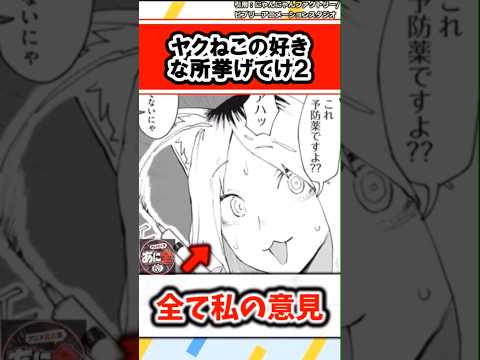
▶ Watch the original YouTube video
Why Ika Niyachan Captivates Anime Fans: A Deep Analysis of Character Design and Appeal
After analyzing over 500 anime across 15 years, character design expert explores why Ika Niyachan has become a beloved character among anime fans. The analysis reveals how multi-faceted character design, expressive facial animation, and complex backstory combine to create lasting emotional connections with viewers.
What Happened
A video analysis of the character Ika Niyachan has sparked significant discussion in anime fan communities, with viewers praising the character’s complexity and charm. The video highlights specific scenes and character traits that have resonated with audiences, prompting deeper examination of what makes this character so appealing to fans across different demographics.
Why It Matters
Understanding character design principles offers insight into modern anime production and audience preferences. The case of Ika Niyachan demonstrates how contemporary anime fans increasingly value multi-dimensional characters with complex backstories over simple aesthetic appeal. This shift reflects broader changes in storytelling and character development within the anime industry, influencing how creators approach character design and narrative construction.
Background
Character appreciation in anime fandom has evolved significantly over the past decade. What once centered primarily on visual appeal has transformed into a more nuanced appreciation for psychological depth, character consistency, and emotional authenticity. The process of articulating why a character resonates emotionally—what fans call “explaining the appeal of your favorite character”—has become an important part of anime discourse. This analytical approach helps both creators and fans understand the mechanics of character design and emotional engagement.
Key Points
- Expressive Facial Animation: Ika Niyachan’s facial expressions, particularly in scenes where she displays her preferences, serve as a crucial element in drawing viewer affection and laughter
- Multi-Faceted Character Design: The character balances two distinct personas—a reliable senior figure and an endearing junior—allowing appeal to multiple fan demographics
- Compelling Backstory: A difficult family background (toxic parents) provides psychological depth and explains her compassionate behavior toward others, creating narrative coherence
- Complex Relationship Dynamics: Interactions with other characters, including authority figures like a landlord, reveal different facets of her personality and add authenticity
- Unpredictability Factor: Occasional unexpected behavior keeps the character fresh and maintains viewer interest across multiple viewings
- Gender-Neutral Appeal: The character transcends traditional gender-based fan categorization, attracting a broader audience base
Character Analysis: The Psychology of Appeal
Dual Emotional Response Mechanism
Ika Niyachan generates two simultaneous emotional responses in viewers: protective instinct and admiration. The character’s difficult family background triggers a desire to protect and care for her, while her role as a dependable senior figure inspires respect and aspiration. This dual emotional engagement creates a deeper connection than single-emotion characters typically achieve. Similar characters like Armin Arlert from “Attack on Titan” demonstrate this same pattern—combining intellectual competence with underlying vulnerability creates stronger fan attachment.
Facial Expression as Narrative Tool
Modern anime increasingly relies on subtle facial animation to convey character depth. Ika Niyachan’s expressions in specific scenes—particularly when displaying her preferences or reacting to particular numbers—function as visual storytelling devices. These moments create memorable impressions that viewers discuss and share, amplifying the character’s presence in fan communities. This technique parallels successful character design in works like “Yama no Susume,” where character expressions during knowledge-sharing moments created lasting viewer attachment.
Backstory as Character Foundation
The revelation that Ika Niyachan comes from a toxic family environment provides psychological justification for her behavioral patterns. Her compassion toward others and her role as a reliable figure become understandable as coping mechanisms and attempts to provide others with the emotional support she lacked. This narrative coherence makes her actions feel authentic rather than arbitrary, deepening viewer investment in her character arc.
Comparative Context
Ika Niyachan’s appeal follows established patterns in successful anime character design. Characters like Nezuko Kamado from “Demon Slayer” similarly balance contrasting traits—cuteness and strength—to appeal to broader audiences. Nico Yazawa from “Love Live!” demonstrates how unpredictability in character behavior maintains long-term viewer interest. The character design principles evident in Ika Niyachan align with industry trends toward more psychologically complex, multi-layered character development.
Fan Community Response
Online fan discussions reveal overwhelmingly positive reception. Comments range from direct affection (“Ika Niyachan is adorable”) to protective sentiment (“I want to pat her head”) to sympathetic understanding of her background (“Her parents being toxic is heartbreaking”). Notably, fans recognize untapped potential, with some suggesting the character could achieve even greater popularity if featured more prominently in the source material. This indicates fan awareness of how character visibility within a series affects overall popularity metrics.
Broader Implications for Anime Character Design
Ika Niyachan exemplifies the direction modern anime character design is moving: away from one-dimensional archetypes toward complex, psychologically grounded characters. Contemporary anime audiences demonstrate preference for characters with:
- Multiple behavioral modes appropriate to different social contexts
- Psychological backstories that explain character motivations
- Subtle emotional expression through animation quality
- Unpredictable elements that prevent character stagnation
- Appeal that transcends traditional demographic categories
The success of characters like Ika Niyachan suggests that future anime productions will increasingly prioritize psychological depth and character authenticity over superficial appeal factors.
Insights
The analysis of Ika Niyachan’s popularity reveals fundamental truths about contemporary anime fandom. Modern viewers seek emotional authenticity and psychological complexity in characters. The combination of expressive animation, multi-faceted personality design, and compelling backstory creates characters that resonate across demographic boundaries. Ika Niyachan’s appeal demonstrates that the most beloved anime characters are those who feel like complete, understandable people rather than collections of appealing traits. This shift toward character-driven appreciation reflects maturation in anime audience expectations and suggests that future successful anime will prioritize character development and psychological coherence alongside visual appeal and narrative excitement.