▶ Watch the original YouTube video
Why Hunter x Hunter Fans Say Kanjidol Has ‘Nothing Going for Him’—A Character Analysis
Fans of Hunter x Hunter have consistently criticized the character Kanjidol as having no redeeming qualities or clear purpose in the story. After 15 years of following the series, one longtime analyst explores why this character generates such negative reactions and what it reveals about character design in manga.
What Happened
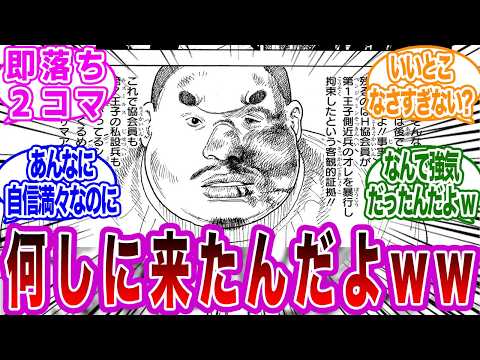
Kanjidol, a minor character in Hunter x Hunter, has become the subject of widespread fan criticism online. Across Twitter, Reddit, and anime forums, fans describe the character as having “nothing good about him” and question his purpose in the narrative. The criticism intensified after scenes depicting Kanjidol being defeated and restrained, with fans noting the lack of meaningful character development or combat contribution before his defeat.
Why It Matters
Kanjidol’s reception raises important questions about character design in long-running manga series. The criticism reflects broader fan expectations about how even minor characters should possess distinct motivations, abilities, or narrative significance. Understanding why Kanjidol generates such negative reactions provides insight into how manga audiences analyze character psychology and what they expect from storytelling, even in supporting roles.
Background
Hunter x Hunter, created by Yoshihiro Togashi, is known for its complex character development and psychological depth. Over 15 years of following the series, fans have become accustomed to detailed character motivations—even for antagonists and minor figures. Most characters in Togashi’s works, whether heroes or villains, demonstrate clear beliefs, goals, or distinctive traits. Kanjidol, however, appears to lack these defining characteristics, existing primarily as a passive figure who reacts to circumstances rather than driving his own narrative.
Key Points
- Kanjidol demonstrates passive behavior throughout his appearances, lacking clear objectives or personal convictions that drive his actions
- In combat situations, he shows no significant abilities or strategic thinking, offering nothing distinctive compared to other characters
- Fan commentary emphasizes that his purpose in the story remains unclear, with phrases like “no reason to exist” appearing frequently online
- Unlike other minor characters in anime and manga, Kanjidol lacks even basic character depth or background motivation
- This design choice may be intentional on Togashi’s part, serving as a narrative contrast to highlight other characters’ qualities
- The character’s treatment reflects potential shifts in manga storytelling conventions between different eras of the series
Character Analysis: The Passivity Problem
Kanjidol’s primary weakness lies in his reactive nature. Most characters in Hunter x Hunter—even minor antagonists like the Chimera Ant soldiers Shalnark and Kortopi—demonstrate agency through deliberate choices and stated motivations. Kanjidol, by contrast, appears to drift through events without purpose. Compared to minor characters in other major series like Attack on Titan or My Hero Academia, who possess at least some defining trait or background, Kanjidol remains fundamentally underdeveloped.
In terms of combat capability, weakness alone does not disqualify a character from being memorable. One Punch Man features numerous weak characters who remain engaging through personality and distinctiveness. Kanjidol’s weakness, however, appears to be his only characteristic—offering nothing beyond simple incompetence.
Togashi’s typical narrative approach uses defeat and restraint as devices to explore character psychology and foreshadow future development. In Yu Yu Hakusho, even Yusuke’s early defeats serve to establish his mental state and hint at future growth. With Kanjidol, the process of his defeat lacks psychological depth or narrative setup, making it feel hollow rather than meaningful.
Fan Reactions Across Platforms
Twitter users frequently post variations of “Kanjidol got beaten up before we knew it,” combining humor with genuine confusion about the character’s role. On 5channel forums, fans repeatedly ask “What is the point of this character?” and “He literally does nothing.” These comments reveal not simple dislike, but fundamental questions about narrative purpose.
YouTube comments show a split between new viewers asking “Who is Kanjidol?” and longtime fans confirming “This character has zero accomplishments.” This diversity of reactions indicates that Kanjidol fails to register as memorable for both new and experienced audiences.
Interestingly, some fans offer a counterargument: “Characters like Kanjidol exist to make other characters stand out.” This observation contains merit—the contrast between Kanjidol’s passivity and other characters’ agency could be intentional design.
Broader Context: Character Design Trends
Recent anime and manga increasingly emphasize “mob character individualization,” where even background characters receive distinct personalities and motivations. Series like The Eminence in Shadow and Jujutsu Kaisen provide supporting characters with unique backgrounds. However, Kanjidol appeared during an earlier phase of Hunter x Hunter when such conventions were not yet established. This temporal difference may explain why Kanjidol feels underdeveloped compared to modern standards.
Comparison with other manga reveals the pattern. One Piece’s early antagonists Alvida and Morgan, despite low combat power, possessed pirate ambitions. Naruto’s Zabuza and Haku demonstrated clear motivations. Even Demon Slayer’s Lower Moons possessed defined drives. Kanjidol stands alone in lacking any discernible motivation or goal.
Possible Interpretations
One interpretation suggests that Togashi deliberately designed Kanjidol as a “characterless” figure to serve as narrative background, making primary characters more prominent by contrast. This would align with Togashi’s known technique of using supporting cast strategically.
Another possibility involves future narrative redemption. Togashi frequently employs “retroactive meaning-making,” where initially insignificant elements gain importance later. If Kanjidol reappears and demonstrates growth or hidden depth, his initial “nothing” status could transform into meaningful foreshadowing.
A third interpretation acknowledges that the criticism may be partially unfair—Kanjidol was never designed to be a compelling individual character, so judging him by those standards misses his actual function in the narrative.
Insights
Kanjidol’s reception demonstrates how manga audiences have evolved into sophisticated character psychologists. Fans don’t simply consume plot; they analyze motivation, agency, and narrative function. The consistent criticism of Kanjidol reflects not cruelty, but genuine analytical engagement with storytelling craft.
The character also illustrates the tension between intentional design and audience expectation. If Togashi deliberately created a “characterless” figure, the design succeeds—but at the cost of fan satisfaction. This raises questions about whether narrative function should override character appeal, or whether modern audiences expect both simultaneously.
Ultimately, Kanjidol may represent a meta-commentary on meaning-making itself. A character who appears to have “nothing” in a series obsessed with character psychology invites viewers to question whether meaning is inherent or constructed. In that sense, Kanjidol’s emptiness becomes philosophically significant—a deliberate void that forces audiences to confront their own expectations about narrative purpose.