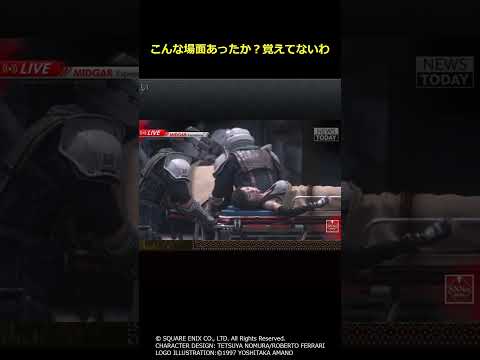
▶ Watch the original YouTube video
Final Fantasy VII Remake 2 Tifa’s Character Design Sparks Debate Over Graphics Evolution in Gaming
The newly released trailer for Final Fantasy VII Remake 2 has ignited widespread online discussion about protagonist Tifa’s character design, with many players commenting that her appearance seems “too exaggerated.” This reaction reflects a deeper industry-wide conversation about how modern graphics technology is reshaping character representation and the balance between visual realism and character authenticity in contemporary game development.
What Happened
Square Enix released a new promotional video for Final Fantasy VII Remake 2, showcasing updated character models built on the latest graphics technology. Tifa’s visual representation in particular generated significant online commentary, with many players expressing surprise at the level of detail in her character design. The reactions ranged from enthusiastic praise for the technical achievement to critical comments questioning whether the visual direction aligns with the game’s artistic vision. This discussion quickly spread across social media platforms, gaming forums, and video sharing sites, becoming a notable talking point in the gaming community.
Why It Matters
The Tifa design discussion represents a crucial inflection point in how the gaming industry approaches character visualization. As graphics technology advances—particularly with PS5 and next-generation hardware—developers face fundamental questions about how realistic character representations should become. This debate extends beyond aesthetics; it touches on artistic intent, player expectations, global market competition, and the definition of what constitutes good character design in modern gaming. Understanding this conversation provides insight into where the industry is heading and how players perceive the relationship between technical capability and creative vision.
Background
Final Fantasy VII, originally released in 1997 for PlayStation, featured stylized character designs constrained by the technical limitations of that era. When Final Fantasy VII Remake launched in 2020, it presented the first modern interpretation of these characters using contemporary graphics technology, which surprised many players with how different the characters appeared compared to their original designs. Now, with FF7 Remake 2 utilizing even more advanced rendering capabilities—likely powered by Unreal Engine 5—the visual evolution has become more pronounced. This progression mirrors similar discussions that have occurred throughout gaming history, from Resident Evil 5 in 2009 to Final Fantasy XV in 2016, where enhanced graphics led to noticeably different character representations and sparked comparable debates about artistic direction.
Key Points
- FF7 Remake 2’s character models demonstrate significant visual advancement over the 2020 original, with more detailed textures, realistic fabric simulation, and enhanced lighting effects
- The online reaction to Tifa’s design spans a spectrum from technical appreciation to concerns about character authenticity and artistic balance
- Graphics evolution in gaming has consistently led to more realistic body representation, a trend visible across major franchises including Resident Evil, Final Fantasy, and Dragon’s Dogma
- The debate reflects broader industry questions about balancing graphical realism with character design philosophy and player expectations
- Similar discussions have occurred with previous game releases, suggesting this is part of an ongoing industry conversation rather than an isolated incident
- Developer transparency about design choices significantly influences player perception and acceptance of visual changes
Timeline
- 1997: Original Final Fantasy VII released with stylized character designs limited by PlayStation hardware capabilities
- 2009: Resident Evil 5 generates discussion about character body representation in modern graphics
- 2016: Final Fantasy XV released, featuring more detailed character models that spark similar debates about visual direction
- 2020: Final Fantasy VII Remake launches, presenting the first modern interpretation of FF7 characters; players express surprise at the visual differences from the original
- 2023: Resident Evil 4 Remake released with updated character designs reflecting current graphics standards
- 2024: Dragon’s Dogma 2 advances character customization with more detailed body representation options
- 2025: Final Fantasy VII Remake 2 scheduled for release, continuing the visual evolution conversation
Perspectives
Technical Achievement Perspective: From a development standpoint, the enhanced character models in FF7 Remake 2 represent legitimate technological progress. Modern game engines enable unprecedented levels of detail in skin textures, fabric simulation, and light interaction. Developers argue that utilizing these capabilities is a natural progression and demonstrates the value of current-generation hardware. This view emphasizes that more detailed representation is an inevitable consequence of technological advancement.
Artistic Integrity Perspective: Critics argue that increased graphical realism doesn’t necessarily serve the game’s artistic vision or narrative goals. They point to successful franchises like Persona 5 that balance stylization with modern graphics, maintaining character appeal while embracing contemporary technology. This perspective questions whether pursuing maximum realism is the optimal creative choice for a fantasy narrative like Final Fantasy VII.
Player Expectation Perspective: Many players view the visual evolution as fulfilling the natural expectation that each new game iteration should surpass its predecessor. Four years have passed since FF7 Remake’s release, and gaming technology has advanced significantly. From this viewpoint, players reasonably expect FF7 Remake 2 to demonstrate corresponding visual improvements.
Narrative Focus Perspective: Some observers emphasize that character design should ultimately serve the story and character development. They argue that regardless of visual presentation, what matters most is how well FF7 Remake 2 develops Tifa’s character arc and her relationship with Cloud, suggesting that excessive focus on character appearance may distract from the game’s narrative strengths.
Insights
The FF7 Remake 2 Tifa discussion illuminates several important trends in modern game development. First, there is a clear industry-wide movement toward more realistic character representation, driven by technological capability, global market competition, and player expectations. However, this movement is not universally embraced, suggesting that the gaming community has not yet reached consensus on the optimal balance between realism and stylization.
Second, the reaction demonstrates that player perception of character design changes is influenced by multiple factors beyond the visual itself. The concept of “anchoring effect” plays a role—players compare new designs to previous versions they have internalized, and significant changes can feel jarring regardless of technical quality. Additionally, developer communication about design choices substantially impacts player acceptance; when studios explain their creative decisions transparently, reception tends to be more positive.
Third, this debate reflects a maturing conversation within gaming about what constitutes progress. Technical advancement does not automatically equal creative improvement. The industry faces an ongoing challenge: how to leverage modern graphics capabilities while maintaining the artistic vision and character authenticity that define beloved franchises.
Looking forward, the most successful approach may involve the balanced methodology demonstrated by games like Persona 5 and Final Fantasy XV—embracing modern graphics while maintaining stylistic choices that preserve character personality and player connection. As graphics technology continues to advance, the industry will likely benefit from more deliberate, intentional choices about character representation rather than simply maximizing realism for its own sake.
Ultimately, FF7 Remake 2’s success will likely be determined not by how realistically characters are rendered, but by how effectively the game tells its story and develops its characters. The visual presentation should enhance the narrative experience rather than overshadow it.