▶ Watch the original YouTube video
Why Ruruka From Detective Precure Captivates Audiences: Analyzing an Enigmatic Character
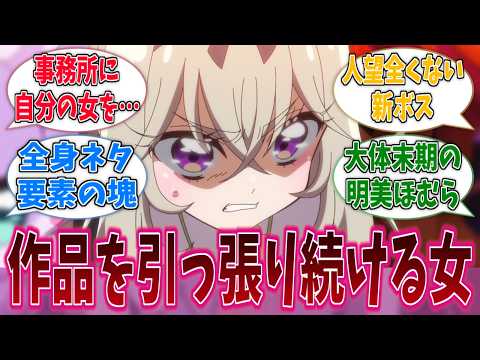
Ruruka, the mysterious antagonist from “Detective Precure,” has become one of the franchise’s most compelling characters despite—or perhaps because of—her limited screen time and ambiguous motivations. Through careful analysis of her behavior patterns, visual design, and narrative role, we can understand why this ice-eating character has captured viewers’ hearts and sparked endless online speculation.
What Happened
Ruruka emerged as a standout character in “Detective Precure” beginning with episode three, initially defined by a single, seemingly mundane trait: eating ice cream. Unlike traditional antagonists with clearly defined goals and motivations, Ruruka’s actions remain deliberately ambiguous. She maintains consistent affection toward Clair while simultaneously opposing the Precure team, sits upon a throne with unclear purpose, and continues her ice-eating habit without explanation. This contradiction between her actions and apparent motivations has made her the subject of intense fan analysis and speculation across online communities.
Why It Matters
Ruruka represents a significant shift in how modern anime, particularly the Precure franchise, constructs antagonist characters. Rather than providing clear backstory and explicit motivations, the series deliberately withholds information, creating sustained mystery that drives viewer engagement. This approach reflects broader trends in contemporary anime storytelling, where character complexity and narrative ambiguity appeal to increasingly diverse and sophisticated audiences. Understanding Ruruka’s appeal reveals how modern character design balances visual charm, psychological depth, and narrative mystery to create memorable figures that transcend traditional hero-villain dichotomies.
Background
The Precure franchise has evolved significantly over recent years, with antagonist characters receiving increasingly nuanced development. Previous series like “HUGtto! Precure” and “Star Twinkle Precure” introduced enemies with complex backgrounds, but Ruruka takes a different approach. Brought from London to Japan under unclear circumstances, she exists in a liminal space between enemy and potential ally. Her relationship with Clair suggests deeper connections than simple antagonism, while her consistent ice-eating habit serves as both character quirk and potential psychological indicator. The character’s design combines cool, aloof aesthetics with the relatable, everyday act of eating ice cream—a deliberate juxtaposition that creates what fans call “gap appeal.”
Key Points
- Strategic Ambiguity: Ruruka’s unclear motivations and goals deliberately sustain viewer curiosity, making her mystery itself the source of her appeal rather than resolved character development.
- Visual-Behavioral Contrast: Her cool, beautiful appearance paired with the mundane act of eating ice cream creates an appealing contradiction that resonates with audiences across age groups.
- Consistent Yet Contradictory Actions: While her affection for Clair remains unwavering, her role as antagonist creates logical tension that viewers find compelling and worthy of analysis.
- Information Asymmetry: Ruruka possesses knowledge that the Precure team lacks, creating narrative uncertainty and preventing predictable plot resolution.
- Evolution From Gimmick to Depth: Initial perception of Ruruka as a one-note “ice-eating character” has transformed into recognition of her as a psychologically complex figure.
- Throne Symbolism: Her throne-sitting scenes suggest deeper psychological needs—potentially representing a search for belonging and personal agency rather than simple power-seeking.
Comparative Analysis
Ruruka’s character construction parallels but diverges from similar figures in other anime. Homura Akemi from “Puella Magi Madoka Magica” shares the trait of being an antagonist with consistent affection for the protagonist, yet Homura’s motivations become explicit, whereas Ruruka’s remain deliberately obscured. Sakura Matou from “Fate/stay night” similarly begins as an unremarkable character whose complexity emerges through backstory revelation, but Sakura occupies a victim role while Ruruka acts with agency. Sophy Hojo from “PriPara” transitions from antagonist to ally with clear personality traits, while Ruruka’s personality itself remains enigmatic. This comparison reveals that Ruruka represents a newer archetype: the antagonist whose appeal derives not from eventual explanation but from sustained mystery.
Fan Reception and Online Response
Online communities have responded enthusiastically to Ruruka, with comments emphasizing how her behavior has become increasingly entertaining and compelling. Viewers note that “all of her actions have become interesting,” suggesting a shift from initial dismissal to genuine appreciation. The image of her smiling and dancing in the ending sequence has become iconic, generating discussion about the gap between her cool demeanor and these moments of apparent joy. Comments like “Trust Clair” reflect viewer investment in her relationship with the protagonist, indicating that audiences are emotionally engaged with her character arc despite—or because of—its ambiguity. This reception demonstrates that contemporary audiences value mystery and complexity over straightforward character exposition.
Character Design and Psychological Appeal
Ruruka’s appeal operates on multiple psychological levels. The “gap moe” effect—the attraction created by contrast between appearance and behavior—plays a significant role. Her cool, beautiful design suggests emotional distance, yet her consistent ice-eating humanizes her and suggests vulnerability or coping mechanisms. The ice itself functions as a visual metaphor, potentially representing emotional coldness, comfort-seeking, or psychological grounding in an unfamiliar environment. Her throne-sitting scenes suggest deeper psychological needs: the search for a place of belonging, personal agency, or recognition. These visual and behavioral elements work in concert to create a character that feels simultaneously distant and relatable, mysterious and sympathetic.
Industry Trends and Narrative Strategy
Ruruka’s construction reflects broader shifts in anime storytelling over the past five years. The Precure franchise has progressively deepened antagonist characterization, responding to audience demand for narrative complexity. This mirrors industry-wide trends visible in series like “Jujutsu Kaisen” and “Attack on Titan,” where the boundary between enemy and ally becomes deliberately blurred. The strategy of withholding information to maintain engagement represents a calculated approach to sustaining viewer interest across multiple episodes. Rather than front-loading character development, the series trusts that mystery itself generates investment, encouraging viewers to theorize, discuss, and return for answers that may be deliberately delayed or partially obscured.
Viewing Recommendations and Analysis Framework
For viewers seeking to understand Ruruka’s character, sequential viewing from episode one is essential, as her behavioral evolution contains narrative significance. Three scenes warrant particular attention: First, ice-eating scenes should be analyzed not as mere consumption but as psychological indicators—the timing, location, and type of ice consumed may reflect her emotional state. Second, scenes depicting her relationship with Clair deserve careful observation, as her consistent affection despite antagonistic positioning suggests complex emotional dynamics. Third, throne-sitting scenes function as thematic anchors, potentially revealing her true objectives and psychological needs. Supplementary viewing of “Puella Magi Madoka Magica” and “Fate/stay night” provides useful comparative context for understanding how anime constructs complex antagonist characters.
Future Narrative Possibilities
Several potential narrative developments could resolve or deepen Ruruka’s character arc. A transition from antagonist to ally would likely involve substantial backstory revelation, explaining her origins in London, her relationship with Clair, and her motivations for opposition. This shift would test whether her appeal survives the loss of mystery—a significant creative risk, as her current popularity depends substantially on unanswered questions. Alternatively, her character arc might maintain ambiguity even after apparent resolution, suggesting that her true motivations remain partially concealed. Her potential integration into the Precure team would reveal how her personality and behavior patterns evolve when her circumstances change, particularly whether ice-eating retains psychological significance or transforms into a simple character trait. The success of these developments depends on whether the production team has constructed her character with sufficient internal logic to satisfy viewer expectations while maintaining narrative coherence.
Insights
Ruruka’s popularity demonstrates that contemporary anime audiences value mystery, psychological complexity, and character ambiguity as much as traditional narrative resolution. Her appeal transcends age demographics, engaging both younger viewers through visual charm and older audiences through psychological depth. The character’s success suggests that the most compelling antagonists need not possess explicit motivations or clear goals; instead, sustained mystery can itself become the primary source of engagement. Ruruka represents an evolution in character design where the absence of information becomes as narratively significant as its presence. Her ice-eating habit, initially dismissed as a gimmick, functions as a sophisticated visual metaphor for psychological states and coping mechanisms. The character’s construction reveals that modern anime production recognizes audience sophistication and rewards it with deliberately complex, ambiguous characterization. As the Precure franchise continues, Ruruka’s trajectory will likely influence how future antagonists are designed—prioritizing mystery and psychological depth over explicit exposition, trusting that viewers will invest emotionally in characters precisely because they remain partially unknowable.