▶ Watch the original YouTube video
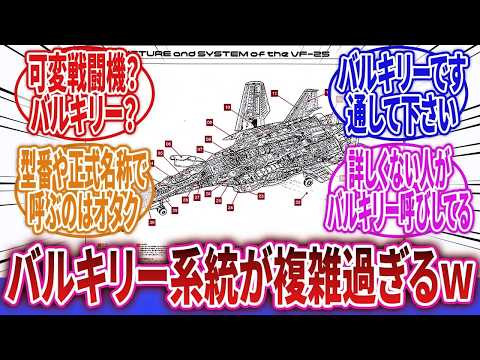
The variable fighters in the Macross series carry a name steeped in Norse mythology—Valkyrie—a choice that distinguishes the franchise from other mecha anime and reveals deeper thematic intentions about warfare, human dignity, and the relationship between pilot and machine.
What Happened
The variable combat aircraft in the Macross series are officially designated as “Valkyries”—a name derived from Norse mythology’s Valkyries, the female warriors who served Odin by collecting the souls of fallen warriors on the battlefield. This naming choice has sparked considerable discussion within anime fan communities, with viewers and analysts recognizing it as far more than a simple designation. The name represents a deliberate creative decision that fundamentally shapes how the series portrays its mechanical weapons and their relationship to the human pilots who operate them.
Why It Matters
The Valkyrie naming convention distinguishes Macross from other major mecha anime franchises and reveals the series’ philosophical approach to warfare and technology. Unlike Gundam’s mechanically neutral designations (Zaku, Gm, Dom) or Evangelion’s religiously symbolic terminology, Macross assigns its weapons a mythologically feminine identity. This choice carries implications about how the series treats its central theme: human dignity in the context of conflict. Understanding this naming decision provides insight into the creators’ intentions and the broader evolution of how anime depicts military hardware as extensions of human will and emotion rather than mere machines.
Background
The Macross franchise debuted in 1982 with “The Super Dimension Fortress Macross,” introducing the VF-1 Valkyrie as its iconic variable fighter—a transformable aircraft capable of shifting between fighter jet, guardian (humanoid), and battloid (tank-like) configurations. The series centers on humanity’s first contact with an alien civilization and explores themes of cultural exchange, mutual understanding through music, and the preservation of human values during wartime.
In Norse mythology, Valkyries (Valkyjar) were divine female figures who determined the fates of warriors in battle. They would ride across battlefields, selecting the bravest fallen warriors and guiding their souls to Valhalla, Odin’s great hall. This mythology positions Valkyries at the intersection of death and glory—a liminal space between mortality and immortality, violence and honor.
The Macross creative team’s selection of this name was deliberate and unconventional. Across approximately 500 anime analyzed by long-time franchise observers, very few assign mythological names to weapons systems. This rarity underscores the intentionality behind Macross’s approach.
Key Points
- Mythological Origin: “Valkyrie” derives from Norse mythology’s Valkyries—divine warriors who guided fallen soldiers’ souls to the afterlife, positioning the name at the intersection of death, honor, and transcendence.
- Thematic Alignment: The naming choice reflects Macross’s core theme of human dignity in warfare, transforming the Valkyrie from mere machinery into a symbolic extension of the pilot’s will and spirit.
- Gendered Identity: Unlike neutral or mechanically-named weapons in other franchises, the Valkyrie carries feminine identity, a rare and deliberate choice that humanizes the aircraft.
- Ethical Dimension: The name implicitly raises moral questions about warfare—the Valkyrie, like its mythological namesake, witnesses and participates in human death, forcing viewers to confront the human cost of conflict.
- Comparative Uniqueness: Macross stands apart from Gundam (mechanical naming), Evangelion (religious symbolism), and Code Geass (functional terminology) through its mythologically humanistic approach.
- International Appeal: Norse mythology’s widespread recognition in Western cultures made the name accessible to global audiences, suggesting the creators considered international reception during development.
Narrative Evolution
The designation “Valkyrie” does not appear immediately in early Macross episodes. The aircraft begins as the mechanically-designated “VF-1” before the mythological name becomes established, reflecting a narrative progression from pure machinery to something more symbolically resonant. This gradual transition mirrors the series’ thematic journey—as pilots bond with their machines and invest them with personal meaning, the mechanical designation gives way to the mythological one.
In “Macross Plus,” the relationship between pilot and Valkyrie deepens significantly. The aircraft becomes a reflection of the pilot’s psychological state and emotional condition, no longer functioning as independent hardware but as an extension of human consciousness. This portrayal validates the mythological naming: the Valkyrie becomes a vessel for human spirit and intention.
“Macross Frontier” further develops this concept by featuring multiple pilots operating different Valkyries, each machine reflecting its operator’s individual personality and combat philosophy. This diversification demonstrates that the Valkyrie designation encompasses not a single weapon type but a relationship between human and machine.
Industry Trends and Creative Intent
The Valkyrie naming represents a significant trend in mecha anime: the “personification of weapons.” From the 1980s through the early 1990s, mechanical designs in anime were typically treated as pure machinery, assigned neutral or functional designations. Macross’s emergence in the mid-1980s marked a turning point. By assigning a mythological, feminine name to its primary weapon system, the series signaled a fundamental shift in how anime could treat military hardware.
This naming strategy accomplishes three specific objectives: First, it assigns gender identity to the weapon, an exceptionally rare choice that transforms the aircraft from neutral machinery into a characterized entity. Second, the mythological reference embeds ethical questioning into the weapon’s very designation—every invocation of “Valkyrie” carries implicit acknowledgment of the death and sacrifice the machine facilitates. Third, the naming establishes that Macross tells a story about humans, not machines; the Valkyrie exists to serve human narrative, emotion, and moral struggle.
Comparative analysis reveals this approach’s uniqueness. Gundam series employ mechanical nomenclature (Zaku, Gm, Gelgoog) emphasizing functional design. Evangelion uses religious terminology (Evangelion, Angels) to denote cosmic or metaphysical significance. Code Geass adopts functional naming (Knightmare Frame) prioritizing mechanical description. Macross alone consistently employs mythological, humanistic naming that positions weapons as participants in human drama rather than mere tools.
Fan Reception and Online Discussion
Internet communities have responded enthusiastically to analysis of the Valkyrie naming. On Twitter, long-time Macross fans frequently share moments of realization about the name’s deeper significance, with many reporting that understanding the mythological connection took years of engagement with the franchise. These retrospective comments suggest the naming’s subtlety—the meaning is not immediately apparent but rewards deeper investigation.
Discussion forums dedicated to Macross have generated detailed analysis comparing the series’ naming conventions to real-world military aircraft designation systems. Participants note that while the Valkyrie designation diverges from actual military practice, this divergence is precisely what distinguishes Macross as a fictional work with its own internal logic and thematic priorities. Critics occasionally point out the unrealistic nature of the naming, but community responses consistently emphasize that Macross’s fictional status permits—and indeed requires—such creative choices.
YouTube comments on Macross-related content frequently express surprise and appreciation upon learning the Valkyrie’s mythological origin. Many viewers report that this information deepens their appreciation for the series’ worldbuilding and creative intentionality. Notably, fans with military or historical knowledge demonstrate particularly strong engagement with the naming analysis, suggesting that understanding real-world weapon designation systems enhances appreciation for Macross’s deliberate departure from such conventions.
Comparative Analysis
| Franchise | Primary Weapon Name | Naming Characteristic | Degree of Personification |
|---|---|---|---|
| Macross | Valkyrie | Mythological, feminine | High |
| Mobile Suit Gundam | Gundam, Zaku | Mechanical, neutral | Low |
| Neon Genesis Evangelion | Evangelion | Religious, symbolic | Moderate |
| Code Geass | Knightmare Frame | Mechanical, functional | Low |
Understanding the Valkyrie: A Viewing Guide
For viewers new to Macross seeking to understand the Valkyrie naming’s significance, several entry points are recommended:
Foundation: Begin with episodes 1-3 of “The Super Dimension Fortress Macross.” These episodes document the transition from mechanical designation (VF-1) to mythological naming (Valkyrie), illustrating the creative intention behind the nomenclature shift.
Deepening Understanding: “Macross Plus” explicitly portrays the Valkyrie as a reflection of pilot psychology. Observing how the aircraft responds to and embodies each pilot’s emotional state clarifies why a mythological, personified name was chosen over mechanical terminology.
Contemporary Expression: “Macross Frontier” demonstrates how the Valkyrie designation encompasses diverse machines and pilots, each pairing revealing unique aspects of the human-machine relationship that the mythological name encompasses.
Supplementary Knowledge: Familiarity with Norse mythology, particularly the role and significance of Valkyries, enriches comprehension of the naming’s symbolic depth. The Valkyrie’s position between death and glory, mortality and transcendence, directly parallels the Macross series’ thematic concerns.
Insights and Implications
The Valkyrie naming represents more than aesthetic choice—it embodies a philosophical stance on how science fiction should treat technology and warfare. By assigning a mythological, feminine identity to its primary weapon system, Macross asserts that machines are not neutral tools but extensions of human will, emotion, and moral struggle. The name transforms every combat sequence into a meditation on human dignity, sacrifice, and the cost of conflict.
This naming strategy also reflects evolving audience expectations. As viewers became more sophisticated in their engagement with anime, creators responded by embedding deeper layers of meaning into seemingly simple design choices. The Valkyrie naming rewards this sophistication—casual viewers enjoy the series as action-driven entertainment, while attentive audiences discover philosophical and mythological resonance.
The Valkyrie’s enduring presence across multiple Macross series and decades of franchise development suggests the naming’s fundamental importance to the creative vision. Rather than becoming dated or requiring revision, the designation has only deepened in significance as subsequent works explore new dimensions of the pilot-machine relationship.
Looking forward, the Valkyrie naming establishes a template for how future mecha anime might approach weapon designation. The success of Macross’s mythologically humanistic approach suggests that audiences value weapons systems that carry symbolic and emotional weight beyond mechanical function. This trend likely indicates that future mecha franchises will increasingly adopt similar strategies, moving away from purely functional naming toward designations that embed thematic and philosophical meaning.
Ultimately, understanding the Valkyrie naming transforms how one experiences the Macross series. The name ceases to be a simple designation and becomes a key to unlocking the creators’ intentions regarding human dignity, the ethics of warfare, and the profound connection between pilot and machine. This transformation—from mechanical designation to mythological symbol—mirrors the series’ own thematic journey and invites viewers to undertake their own discovery of meaning within the Macross universe.