▶ Watch the original YouTube video
Duskblood Playable Characters: Complete Guide and Strategy Analysis
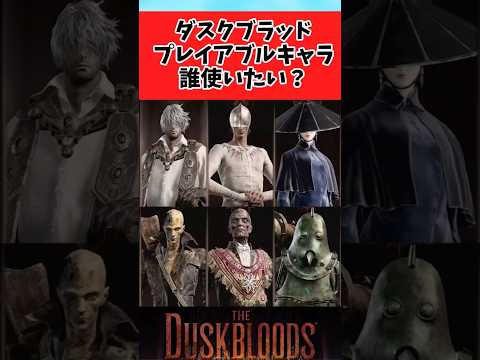
Duskblood features an unconventional roster of playable vampire characters that deliberately breaks genre conventions, from pajama-wearing elderly men to bald antiheroes. This comprehensive guide analyzes the game’s unique character design philosophy and provides strategic recommendations for both newcomers and experienced players.
What Happened
Duskblood presents a radically different approach to vampire game character design. Rather than adhering to traditional tropes of elegant, aristocratic vampires, the game features an eclectic cast including unconventional characters described by players as “bald old men,” “pajama-wearing uncles,” and other deliberately quirky designs. This departure from genre conventions has generated significant player discussion, with community reactions ranging from enthusiastic support to curiosity about how these characters function mechanically within the game.
Why It Matters
Duskblood’s character design philosophy signals a broader shift in indie game development toward breaking established genre conventions. The game challenges the assumption that vampire characters must conform to traditional aesthetic standards, instead embracing character diversity and personality over visual conformity. This approach has implications for how future games approach character design, player expectations, and the relationship between visual appearance and in-game capability. The game’s willingness to prioritize unconventional character design over traditional vampire fantasy aesthetics suggests a maturing industry willing to experiment with player assumptions.
Background
Duskblood exists within a long lineage of vampire-themed games, from classic titles like Castlevania: Symphony of the Night to modern interpretations like Bloodborne. Traditionally, these games have presented vampires as either customizable player avatars (Bloodborne) or fixed, typically aristocratic characters (Castlevania series). Duskblood distinguishes itself by offering multiple fixed characters with distinct visual identities and individual story objectives, creating a hybrid approach that emphasizes character-specific narratives over player customization.
The game appears to draw inspiration from character-driven RPGs like Fire Emblem: Three Houses, which similarly offers multiple playable characters with divergent story paths. However, Duskblood extends this concept by allowing players to select multiple instances of the same character in party composition, a mechanic more commonly associated with creature-collection games like Pokémon.
Key Points
- Diverse Character Roster: The game features unconventional vampire characters that deliberately subvert traditional genre expectations, including elderly characters in pajamas and bald antiheroes.
- Character-Specific Objectives: Each playable character possesses unique tasks and story objectives that fundamentally alter gameplay progression and narrative experience.
- Appearance-Performance Disconnect: Visual design does not necessarily correlate with in-game power levels, encouraging players to evaluate characters based on mechanics rather than aesthetics.
- Party Composition Flexibility: The game permits duplicate character selection within party rosters, enabling strategic team compositions centered around specific character abilities.
- Thematic Consistency: Even non-traditional characters like robots maintain the vampire theme, suggesting a broader reimagining of what constitutes a vampire in the game’s universe.
- Skill System Unconventionality: Abilities feature deliberately absurd naming conventions and mechanics that prioritize humor and surprise over traditional power fantasy expectations.
Comparative Analysis: Duskblood Within Vampire Game History
| Title | Character Design | Game Type | Playable Characters |
|---|---|---|---|
| Bloodborne | Player-customized | Action RPG | 1 (customizable) |
| Castlevania: Symphony of the Night | Fixed protagonist | Metroidvania | Multiple (unlockable) |
| Duskblood | Fixed, unconventional | Task-based RPG | Multiple (duplicates allowed) |
Design Philosophy: Breaking Genre Conventions
Appearance Versus Capability
Duskblood’s most distinctive design choice involves deliberately disconnecting visual presentation from mechanical function. Characters with unassuming or comedic appearances may possess powerful abilities, while traditionally impressive-looking characters might serve different strategic roles. This design philosophy mirrors successful indie titles like Undertale, which achieved critical acclaim despite deliberately modest visual presentation by prioritizing character personality and narrative depth.
This approach serves multiple functions: it encourages players to evaluate characters based on mechanical merit rather than aesthetic preference, creates moments of pleasant surprise when discovering hidden capabilities, and reinforces the game’s thematic commitment to character diversity over conformity.
Redefining Vampire Identity
Traditional vampire fiction emphasizes aristocratic elegance, supernatural power, and otherness. Duskblood fundamentally reimagines vampires as ordinary beings who happen to possess vampiric traits. A vampire in pajamas or a bald vampire elder challenges the visual language established by decades of vampire media, suggesting that vampirism is a condition rather than an identity marker.
This democratization of vampire representation extends to the inclusion of non-humanoid characters, such as robots, within the vampire category. Player comments questioning “what constitutes a vampire if robots can be vampires” indicate the game deliberately provokes philosophical inquiry about its own thematic foundations.
Character-Specific Narrative Paths
By assigning unique objectives to each character, Duskblood creates multiple distinct gameplay experiences within a single game structure. This design maximizes replayability and encourages players to experience the game from different narrative perspectives. Similar implementations in Fire Emblem: Three Houses demonstrated that character-specific story routes significantly increase player engagement and perceived game value.
Strategic Gameplay Considerations
Party Composition and Team Building
The ability to select duplicate characters enables team compositions focused entirely on a single character’s strengths. Player commentary suggesting “spam party” compositions indicates recognition that this mechanic permits strategy optimization around specific character abilities. This design choice provides both accessibility for casual players and depth for strategically-minded players seeking to maximize particular character synergies.
Character Popularity Predictions
Community discussion suggests that character popularity will correlate with mechanical utility rather than aesthetic appeal. Sniper-type characters, described as having practical utility, are anticipated to become popular selections despite potentially lacking visual prominence. This pattern indicates that Duskblood’s design successfully prioritizes gameplay mechanics over character attractiveness in player decision-making.
Perspectives
Developer Intent: The unconventional character designs appear intentionally comedic and deliberately subversive. The inclusion of absurd character concepts and ability names suggests developers consciously rejected traditional vampire game aesthetics in favor of humor and surprise.
Player Reception: Community responses demonstrate enthusiasm for the unconventional approach, with players expressing interest in specific characters and appreciation for the departure from genre conventions. However, some players express concern about the complexity of managing character-specific objectives.
Industry Context: Duskblood’s design philosophy aligns with broader indie game trends emphasizing artistic experimentation and player expectation subversion, similar to successes like Hades and Spiritfarer.
Practical Recommendations for Players
For Newcomers
Begin with Albert, the character most closely resembling traditional vampire aesthetics. This approach provides a familiar entry point for understanding core mechanics before exploring more unconventional characters. Avoid judging character viability based on visual presentation; instead, prioritize understanding each character’s unique objectives and mechanical capabilities.
Party Building Strategy
Consider specializing party composition around characters demonstrating strong mechanical synergies. If particular characters prove exceptionally powerful, constructing teams entirely composed of that character type can maximize strategic effectiveness. This approach mirrors successful team-building in creature-collection games.
Narrative Engagement
Treat each character’s unique objectives as distinct narrative experiences rather than variations of a single story. Completing all character-specific tasks provides comprehensive understanding of the game’s world and thematic depth.
Related Titles for Interested Players
- Fire Emblem: Three Houses: Features character-specific story routes and multiple playable perspectives on a shared narrative.
- Persona 5: Demonstrates the effectiveness of appearance-capability disconnection, with visually unassuming characters possessing exceptional abilities.
- Undertale: Achieves critical success through unconventional aesthetics and character-driven narrative design.
Insights
Duskblood represents a maturation of indie game design philosophy, demonstrating that commercial success and critical acclaim do not require adherence to established genre conventions. By deliberately subverting vampire game tropes, the game creates novelty and encourages player engagement through surprise and discovery.
The game’s design suggests several broader industry trends: first, that character diversity and unconventional aesthetics can enhance rather than diminish player engagement; second, that mechanical depth and narrative variety provide greater long-term value than visual conformity; and third, that player communities increasingly appreciate games that challenge their assumptions about genre expectations.
The ultimate success of Duskblood’s approach depends on whether its unconventional character designs integrate meaningfully with narrative and mechanical systems. If character-specific objectives emerge from each character’s background and personality rather than serving as arbitrary quest variations, the game could establish new standards for character-driven game design. The disconnect between visual presentation and mechanical capability, if executed thoughtfully, creates opportunities for player discovery and engagement that traditional character design cannot replicate.
Duskblood’s character roster ultimately represents not merely comedic subversion but a philosophical statement about inclusivity and diversity within vampire fiction. By presenting vampires as ordinary beings with varied appearances and personalities, the game challenges the visual language of the genre while maintaining thematic coherence. This approach suggests that future vampire games may increasingly embrace character diversity as both a design philosophy and a thematic necessity.