▶ Watch the original YouTube video
BanG Dream Sauna Episode Goes Viral: Fan Analysis Reveals Why Deformed Characters Captivate Audiences
The sauna-themed episode of the comedy spinoff “Genso! BanG Dream-chan” has sparked widespread online discussion about the unique appeal of deformed character designs in anime. A veteran anime analyst with 15 years of viewing experience breaks down why this seemingly simple episode resonated so strongly with viewers and what it reveals about modern anime expression.
What Happened
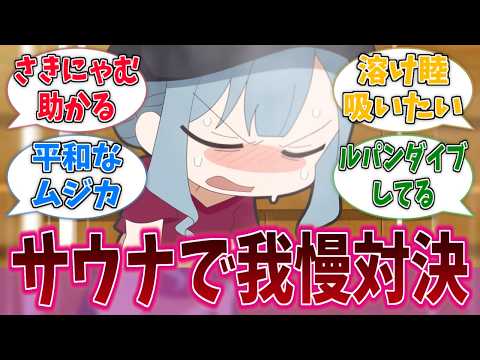
The sauna episode of “Genso! BanG Dream-chan,” a comedy spinoff of the main BanG Dream! series, became a trending topic online. The episode featured characters Sachiko and Nyamu competing in a sauna endurance challenge, with their facial expressions and body language becoming the focal point of viewer reactions. The episode’s portrayal of the band members bonding in a lighthearted setting contrasted sharply with the tension depicted in the main series, generating significant discussion about character design, animation choices, and the expressive potential of deformed character styles.
Why It Matters
This episode highlights a significant shift in how anime audiences engage with different character design styles. The viral response demonstrates that deformed or “chibi” character designs are not merely comedic shortcuts but sophisticated tools for emotional expression. The discussion also reveals how modern anime viewers analyze production decisions, compare spinoffs to main narratives, and appreciate the meta-textual relationship between serious storytelling and comedic adaptations. This phenomenon reflects the maturation of anime culture and the increasing sophistication of fan analysis.
Background
BanG Dream! is a multimedia franchise centered on a band dealing with complex interpersonal dynamics and emotional conflicts. The main anime series portrays tense relationships between band members as they navigate personal challenges. “Genso! BanG Dream-chan” is a comedy spinoff that reimagines these characters in a separate continuity where they interact without the dramatic weight of the original narrative. The franchise has developed a dedicated fanbase over multiple seasons, with viewers following both the serious main storyline and the lighter comedic adaptations.
Key Points
- Sauna Challenge Format: The episode centers on a simple endurance competition in a sauna, with character expressions and body language driving viewer engagement and commentary.
- Deformed Character Appeal: Viewers noted that the deformed art style creates a unique aesthetic space where “cuteness” and “sensuality” coexist in ways that realistic character designs cannot achieve, generating comments like “this might be the most sensual BanG Dream moment this year.”
- Band Cohesion Contrast: The episode demonstrates the band members bonding harmoniously, contrasting with the interpersonal conflicts portrayed in the main series, prompting reflection on alternate characterizations.
- Animation Choices and Realism: Viewers debated production decisions, such as characters remaining clothed while entering cold water, questioning whether this prioritized animation efficiency over physical accuracy.
- Character Individuality Through Detail: Subtle differences in arm positioning, posture, and breathing techniques were noted as expressions of individual character personality and relationships.
- Voice Actor Connection: Viewers identified correlations between voice actors’ real-world physical descriptions mentioned in radio appearances and how those characteristics were reflected in character animation.
Perspectives
The Appeal of Deformed Design: Multiple viewers expressed that deformed character designs possess an inherent charm that realistic styles lack. The specific body proportions and simplified features create emotional resonance that transcends traditional “cute” or “sensual” categorization. This represents a departure from the assumption that deformed designs are merely comedic tools.
Production Pragmatism vs. Realism: Some viewers criticized animation choices that prioritized efficiency over physical accuracy, such as characters not undressing before entering water. Others argued that such “unrealistic” choices are essential to comedy anime and actually enhance comedic effectiveness by embracing absurdity.
Spinoff-to-Main Series Relationship: Viewers appreciated how the spinoff acknowledges the tension in the main series while offering an alternate reality where characters can be fully harmonious. This meta-textual approach—understanding the main narrative’s gravity while enjoying its comedic inversion—represents sophisticated audience engagement.
Detailed Animation Analysis: Viewers demonstrated advanced analytical skills by identifying how minute details like hand positioning and breathing patterns convey character personality, suggesting that comedy anime deserves the same technical scrutiny as dramatic works.
Insights
The viral response to this sauna episode reveals several important developments in anime culture. First, deformed character designs have evolved beyond their traditional role as comedic shortcuts. They now represent a distinct aesthetic language capable of expressing complex emotions and interpersonal dynamics in ways that realistic designs cannot replicate. The unique visual space created by simplified proportions allows viewers to experience simultaneous feelings of cuteness and attraction without the ethical or tonal complications that realistic designs might introduce.
Second, the episode demonstrates how modern anime audiences engage with transmedia narratives. Viewers no longer consume spinoffs in isolation; they actively compare them to source material and analyze how alternate characterizations enrich their understanding of characters. The recognition that band members can be both conflicted (in the main series) and harmonious (in the spinoff) reflects a mature understanding of narrative multiplicity.
Third, the detailed viewer analysis of animation choices—from arm positioning to production efficiency decisions—indicates that anime fandom has developed sophisticated critical frameworks. Audiences now engage in production analysis, voice actor research, and meta-textual interpretation simultaneously, elevating comedy anime to the same analytical standard as dramatic works.
Finally, this episode exemplifies a broader trend in contemporary anime: the strategic use of “unrealistic” or absurdist choices to enhance comedic impact. Rather than pursuing photorealism, successful comedy anime increasingly embrace stylization and physical impossibility as core comedic tools. This represents a deliberate artistic choice rather than a limitation, and the positive reception suggests audiences recognize and appreciate this approach.
The sauna episode’s success indicates that anime culture has reached a new maturity level where viewers appreciate multiple layers of meaning—character psychology, production decisions, narrative relationships, and aesthetic innovation—simultaneously. This multifaceted engagement suggests that anime as a medium continues to evolve in sophistication and expressive capability.