▶ Watch the original YouTube video
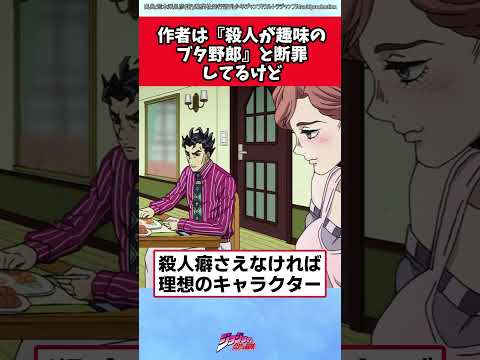
Yoshikage Kira, the antagonist from JoJo’s Bizarre Adventure Part 4: Diamond is Unbreakable, has captivated readers and viewers for over a decade as one of anime and manga’s most compelling villains. Unlike traditional antagonists driven by world conquest or revenge, Kira’s desire for a quiet, ordinary life combined with his perfect social adaptation creates a psychological complexity that resonates deeply with modern audiences.
What Happened
Yoshikage Kira, the main antagonist of JoJo’s Part 4, represents a departure from conventional villain archetypes. Rather than seeking power or dominion, Kira simply wants to live peacefully in the town of Morioh while secretly indulging in his compulsion to collect women’s hands. His ability to maintain a flawless public persona as a company employee while concealing his murderous nature has made him a subject of intense fan analysis and discussion across social media platforms including Twitter, YouTube, and online forums.
Why It Matters
Kira’s character represents a significant shift in how modern audiences perceive antagonists in anime and manga. His appeal lies not in overwhelming power or grandiose ambitions, but in the psychological tension between his mundane desires and his hidden darkness. This reflects broader societal anxieties about the gap between public personas and private realities in an increasingly interconnected world. Understanding Kira’s popularity offers insights into contemporary storytelling trends and audience psychology in the 2010s-2020s era.
Background
Yoshikage Kira first appeared in JoJo’s Bizarre Adventure Part 4: Diamond is Unbreakable, which began serialization in 1999. The character was created by mangaka Hirohiko Araki as a deliberate subversion of traditional villain tropes. Unlike antagonists from earlier anime such as Pain from Naruto, Aizen Sosuke from Bleach, or the Beast Titan from Attack on Titan—all of whom sought to transform the world—Kira’s motivations are rooted in the desire for personal tranquility. His Stand ability, Sheer Heart Attack, functions as a manifestation of his desire to eliminate evidence and maintain his perfect double life. Over the past 15 years, Kira has become the subject of extensive fan analysis, academic discussion, and cultural commentary, with his character design influencing subsequent villain portrayals in anime and manga.
Key Points
- Everyday Desire as Villainy: Kira’s motivation—simply wanting to live quietly—is fundamentally human and relatable, distinguishing him from antagonists driven by conquest or ideology.
- Perfect Social Integration: His flawless performance as a company employee, including punctuality, accurate work, and appropriate social relationships, creates a facade of the ideal citizen that masks his murderous compulsions.
- Psychological Complexity: Unlike characters such as Reiner Braun from Attack on Titan (who experiences internal conflict) or Lelouch from Code Geass (who seeks world domination), Kira exhibits no remorse, making him fundamentally “understandable evil.”
- Symbolic Stand Ability: Sheer Heart Attack represents Kira’s obsession with erasing traces and maintaining his perfect existence, with his fixation on collecting women’s hands symbolizing his attachment to social contact and daily normalcy.
- Reader Identification: Kira’s character allows audiences to project their own hidden aspects and anxieties about maintaining social facades, creating unprecedented levels of empathy for a villain.
- Cultural Timing: Kira’s popularity coincides with the rise of internet culture and increased awareness of the disconnect between public personas and private realities in modern society.
Timeline
- 1999: Yoshikage Kira introduced in JoJo’s Part 4 manga serialization.
- 2008: Initial widespread exposure to the character; beginning of extended fan analysis period.
- 2010s-Early 2020s: Surge in popularity of “everyday madness” villain archetypes across anime and manga industry.
- 2015-2020: Peak period of comparative character analysis and academic discussion of Kira’s psychological appeal.
- Present: Continued trending discussions on social media platforms with hashtags such as #YoshikageKiraFans regularly appearing on Twitter.
Perspectives
Fan reactions to Yoshikage Kira vary significantly across platforms. On Twitter, users frequently express that “Kira’s character design is so perfect that other villains pale in comparison,” while YouTube comments often contain analytical observations noting that “Kira is portrayed less as a villain and more as a human seeking an ideal form of existence.” Conversely, discussions on 4chan’s anime boards raise concerns that “excessive empathy toward Kira may be psychologically problematic,” reflecting anxiety about the character’s ability to generate inappropriate identification. Academic and fan analysis communities interpret Kira through multiple lenses: as a symbol of social contradiction, as a representation of the human desire for peace, and as a cautionary figure embodying the dangers of unchecked compartmentalization. This interpretive diversity demonstrates the character’s psychological depth and cultural resonance.
Insights
Yoshikage Kira’s enduring popularity reflects fundamental changes in how contemporary audiences engage with narrative antagonists. The shift from villains motivated by power or ideology to those driven by mundane, relatable desires mirrors societal anxieties about authenticity and social performance in the digital age. Kira embodies the modern paradox: the desire for peaceful normalcy coexisting with hidden darkness, a tension that resonates with audiences navigating increasingly complex social expectations. His character demonstrates that the most compelling villains are not those with overwhelming power, but those whose motivations are comprehensible—even sympathetic—while their methods remain morally reprehensible. This psychological complexity has influenced subsequent character design across the anime and manga industry, establishing a template for “everyday madness” antagonists that continues to proliferate. The gap between Kira’s desire (quiet life) and his means (murder) creates a narrative tension that forces audiences to confront uncomfortable truths about human nature and social adaptation. As modern society increasingly demands perfect public performance while concealing private struggles, characters like Yoshikage Kira will likely continue to resonate, serving as mirrors reflecting contemporary anxieties about identity, authenticity, and the masks we wear in daily life.