▶ Watch the original YouTube video
How Fate/Grand Order’s Halloween Mystery Event Sparked a Community-Wide Investigation
Fate/Grand Order’s Halloween event generated massive fan engagement by announcing the answer reveal at 10 PM, creating a window for players to theorize and collaborate. The mystery-solving mechanic demonstrates how modern mobile games leverage real-time community participation to deepen player investment and foster social connection.
What Happened
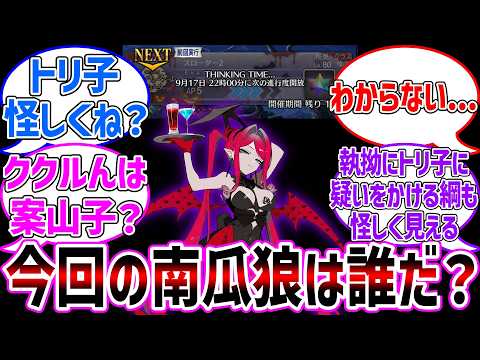
Fate/Grand Order launched a Halloween event featuring a mystery-solving component with a scheduled answer reveal at 10 PM. Rather than immediately providing story details, the developers intentionally withheld the conclusion, encouraging players to speculate and share theories across social media platforms. This approach generated thousands of posts on Twitter, Reddit, and gaming forums, with fans analyzing story details, character dialogue, and hidden clues to predict the event’s outcome before the official reveal.
Why It Matters
The event exemplifies a significant shift in mobile game design philosophy—moving from passive content consumption to active community participation. By creating a structured window for player investigation, FGO transformed what could have been a simple story delivery into a collaborative puzzle-solving experience. This approach increases player engagement metrics, extends the perceived value of content beyond gameplay hours, and strengthens community bonds through shared intellectual effort. The success of this model has implications for how other live-service games structure their narrative events.
Background
Real-time mystery events are not new to gaming, but their implementation in narrative-driven mobile games represents an evolution of earlier practices. Similar mechanics appeared in Monster Hunter Frontier (2012), where players spent a month theorizing about a new enemy’s identity, and Granblue Fantasy, which used 24-hour answer reveal windows. However, FGO’s integration of mystery-solving into its core story experience—combined with its massive player base and active fan community—created an unprecedented scale of participation. The game’s emphasis on narrative quality and character development made players particularly invested in uncovering story details, distinguishing this event from purely mechanical puzzle events in other titles.
Key Points
- Structured Speculation Window: The 10 PM answer reveal announcement gave players a defined timeframe to theorize, maximizing engagement without requiring indefinite waiting periods.
- Diverse Player Perspectives: The event showcased multiple interpretations of story clues, with players analyzing character expressions, dialogue nuances, and narrative callbacks to previous events.
- Community Cohesion: Mystery-solving created a shared goal that unified players across platforms, transforming individual theorizing into collective problem-solving.
- Psychological Design: The event tapped into players’ desires for autonomy and competence—the satisfaction of solving puzzles independently while validating their interpretations against the official answer.
- Social Media Amplification: Theories spread rapidly across Twitter, YouTube, and gaming forums, extending the event’s reach beyond active players to observers and content creators.
- Comparative Advantage: FGO’s narrative focus and established lore depth allowed for more sophisticated mystery design than games with simpler story structures.
Timeline
- Event Announcement: FGO developers announced the Halloween event with the 10 PM answer reveal time.
- Community Investigation Phase: Players across multiple platforms began analyzing story details and sharing theories.
- Peak Engagement: Social media activity reached maximum intensity as the 10 PM reveal time approached, with thousands of concurrent discussions.
- Answer Reveal: Official story conclusion released at 10 PM, validating some theories and surprising players with unexpected narrative developments.
- Post-Event Analysis: Community continued discussing the event outcome, comparing their predictions to the actual story, and analyzing the developers’ design choices.
Perspectives
Developer Intent: The mystery event design reflects deliberate choices to maximize engagement and community participation. By controlling the information release timeline, developers created artificial scarcity around story details, making the revelation moment more impactful. The structured approach also allowed developers to monitor community theories and adjust narrative framing based on player reception.
Player Experience: For engaged players, the mystery-solving phase provided intellectual stimulation and social connection beyond standard gameplay. The opportunity to validate personal theories against official canon created a satisfying feedback loop. However, some players reported frustration with puzzle difficulty, finding the mystery too complex or the waiting period too long.
Community Dynamics: The event revealed hierarchies of analytical skill within the player base, with certain community members gaining status as reliable theorists. This created both positive effects (encouraging deeper engagement with narrative) and potential negative effects (newer or casual players feeling excluded from high-level discussions).
Insights
The FGO Halloween event demonstrates that modern game communities value participation and intellectual engagement as much as entertainment content itself. The success of mystery-solving mechanics suggests that players increasingly seek games that treat them as active collaborators in storytelling rather than passive consumers. This reflects broader trends in live-service game design, where community management and narrative pacing have become as important as core gameplay mechanics.
The event also highlights the importance of difficulty calibration in community-focused design. While the mystery generated significant engagement, some players felt excluded by complexity levels, suggesting that future events should provide multiple entry points for participation—from casual observation to deep analytical investigation.
Looking forward, the success of this event may encourage other narrative-driven games to adopt similar mystery mechanics. However, the sustainability of this approach depends on maintaining novelty and avoiding predictability. As player analytical skills improve and community knowledge accumulates, developers will need to create increasingly sophisticated mysteries to maintain engagement. The real challenge lies in balancing mystery depth with accessibility, ensuring that both veteran theorists and new players find value in the experience.
Ultimately, FGO’s Halloween event illustrates how thoughtful event design can transform a simple story reveal into a community-building phenomenon. By recognizing that players derive value from the thinking process itself—not just the final answer—developers created an experience that extended far beyond traditional gameplay hours and strengthened player investment in the game’s narrative universe.