▶ Watch the original YouTube video
Why Gundam’s “I’m Being Sent to the Front Lines” Scene Resonates So Deeply With Fans
A viral video compilation of fan reactions to a pivotal Gundam scene has sparked widespread discussion about how the franchise portrays the psychological toll of warfare. The moment—in which a pilot expresses helplessness on the battlefield—has become a focal point for understanding what makes Gundam resonate across generations of viewers.
What Happened
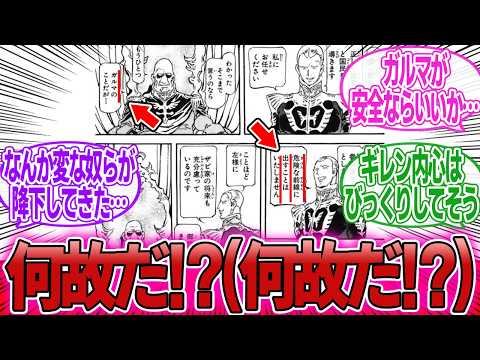
A YouTube video has circulated collecting viewer reactions to a scene from the Gundam franchise in which a character expresses their sense of helplessness while being deployed to the front lines. The scene has generated significant engagement across social media platforms, with fans discussing its emotional impact and thematic significance within the broader Gundam universe.
Why It Matters
This scene encapsulates one of the core themes that has defined the Gundam franchise for over four decades: the dehumanizing nature of warfare and the psychological burden placed on those forced to participate in it. Rather than glorifying combat, the moment forces viewers to confront the existential questions faced by soldiers caught in conflict. The widespread fan response demonstrates how fictional narratives can serve as mirrors for real-world anxieties about powerlessness and the search for meaning in chaotic circumstances.
Background
The Gundam franchise, which began in 1979, has consistently explored the human cost of war through the experiences of mobile suit pilots. Over the decades, the series has evolved in how it portrays pilot psychology—from the youthful uncertainty of Amuro Ray in the original Mobile Suit Gundam to the deepening despair depicted in more recent installments like Mobile Suit Gundam: Iron-Blooded Orphans. This particular scene represents the culmination of that thematic evolution, presenting a character confronting not just the immediate danger of combat, but the fundamental meaninglessness of their continued participation in warfare.
Key Points
- The scene depicts a character expressing helplessness and exhaustion while being deployed to combat, resonating with viewers who see parallels to their own experiences of powerlessness
- Fan reactions across Twitter, YouTube, and forums reveal viewers connecting the character’s psychological state to contemporary anxieties about meaningless labor and social pressure
- The portrayal represents an evolution in Gundam’s psychological storytelling, moving from youthful idealism in early series to existential despair in recent installments
- Voice acting and visual direction work in concert to convey emotional exhaustion rather than dramatic intensity, emphasizing the character’s resignation
- The scene functions as a narrative turning point, suggesting transformation from helplessness toward either deeper despair or renewed determination
- Critical reception includes both emotional validation and constructive criticism about the depth of character development required to fully contextualize such moments
Timeline
- 1979: Original Mobile Suit Gundam introduces themes of war’s impact on young pilots
- 1985: Mobile Suit Z Gundam explores psychological breakdown and recovery amid recurring conflict
- 2010: Mobile Suit Gundam UC presents idealism confronting harsh reality
- 2015: Mobile Suit Gundam: Iron-Blooded Orphans depicts despair and resignation as central themes
- 2020s: Contemporary anime increasingly emphasizes character helplessness as reflection of post-pandemic social anxiety
Perspectives
Emotional Resonance: Many viewers report feeling validated by the scene’s honest portrayal of helplessness, noting that it mirrors their own experiences with workplace stress, relationship strain, and social pressure. The character’s vulnerability gives permission for audiences to acknowledge their own sense of powerlessness.
Thematic Significance: Analysts view the scene as the most direct expression of Gundam’s central question: “What is war?” The moment represents the franchise’s commitment to examining warfare not as heroic spectacle but as a system that strips individuals of agency and meaning.
Production Intent: The deliberate choice of understated voice acting and exhausted visual presentation suggests the creators deliberately avoided melodrama in favor of authentic psychological portrayal. This restraint amplifies the scene’s impact by emphasizing resignation over emotional outburst.
Critical Perspective: Some viewers question whether the scene provides sufficient character context and argue that realistic warfare involves greater complexity than the scene conveys. However, even critical responses acknowledge the scene’s effectiveness in prompting deeper reflection.
Insights
The widespread resonance of this scene reveals how science fiction narratives function in contemporary culture. Rather than serving as pure escapism, Gundam uses the framework of futuristic warfare to explore timeless human experiences—particularly the struggle to maintain meaning and agency within systems that seem designed to strip both away.
The scene’s power lies not in what it shows, but in what it refuses to do: it refuses to resolve the character’s helplessness through heroic action or narrative convenience. Instead, it sits with the discomfort, allowing viewers to confront their own unresolved anxieties. This approach aligns with broader trends in contemporary anime that prioritize psychological authenticity over traditional narrative satisfaction.
The evolution of Gundam’s portrayal of pilot psychology—from Amuro’s youthful questioning to the modern character’s exhausted resignation—mirrors shifts in how successive generations understand conflict and meaning. Early Gundam suggested that engagement with war could lead to growth and understanding. Contemporary Gundam suggests that repeated exposure to meaningless conflict leads only to deepening despair. This thematic shift reflects changing social attitudes toward institutions, authority, and the possibility of individual agency within larger systems.
For new viewers, understanding this scene requires engagement with the franchise’s full historical arc. The moment gains its weight not from isolation but from decades of accumulated narrative about pilots repeatedly sent into combat, each iteration stripping away more illusions about the possibility of meaningful resolution through warfare.