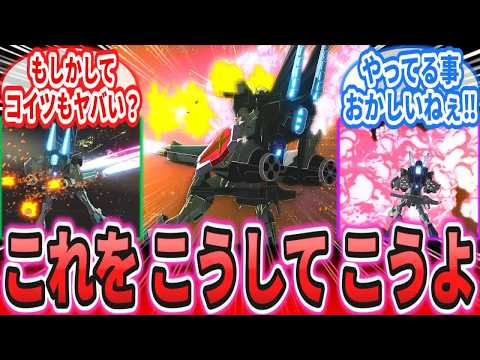
▶ Watch the original YouTube video
Why Blast Impulse’s Firepower Is Absurdly Overpowered: A Deep Analysis of Gundam SEED FREEDOM’s Hidden Powerhouse
Gundam SEED FREEDOM’s Blast Impulse has emerged as one of the franchise’s most underrated mobile suits, delivering devastating firepower and suppression capabilities that rival the spotlight-stealing Destiny Gundam. After 15 years of analyzing the Gundam series, this deep dive reveals why this support unit represents a masterclass in mecha design philosophy and tactical synergy.
- What Happened
- Why It Matters
- Background
- Key Points
- Design Philosophy and Mechanical Specialization
- Tactical Synergy: Destiny and Blast Impulse Partnership
- Why Original Series Performance Was Constrained
- Comparative Analysis: Silhouette Configurations
- Community Reception and Fan Analysis
- Insights and Broader Implications
- Recommendations for Experiencing SEED FREEDOM
What Happened
When Gundam SEED FREEDOM premiered in theaters, most viewers focused on Kira Yamato’s Destiny Gundam and its overwhelming combat presence. However, a closer examination of the film reveals that Lunamaria Hawke’s Blast Impulse—a specialized variant of the Impulse Gundam equipped with missile launchers—demonstrates exceptional firepower and area-denial capabilities that had been largely overlooked during the original SEED DESTINY series.
The Blast Impulse’s true performance potential only became apparent in the theatrical film, where it operates in perfect coordination with Destiny Gundam. This partnership showcases a level of tactical complementarity rarely seen in the Gundam franchise, with each unit fulfilling distinct combat roles that maximize battlefield dominance.
Why It Matters
The Blast Impulse represents a significant evolution in Gundam design philosophy. Rather than creating a standalone powerhouse, the design team deliberately constrained certain capabilities—specifically flight performance—to maximize firepower and suppression potential. This represents a mature approach to mecha design where role specialization and team synergy trump individual versatility.
For longtime Gundam fans, the Blast Impulse exemplifies how support units can be just as compelling as protagonist machines when given proper narrative and mechanical consideration. Its emergence in SEED FREEDOM challenges the assumption that only main character units deserve serious analytical attention.
Background
The Impulse Gundam first appeared in SEED DESTINY as Shin Asuka’s primary mobile suit. Despite its capabilities—the series established that a single Impulse could engage Freedom Gundam on equal terms—the unit received comparatively modest screen time and fan recognition compared to more prominent machines.
The Blast Impulse is one of three specialized silhouette configurations available to the base Impulse frame. The Sword Impulse emphasizes close-quarters combat, the Force Impulse focuses on long-range artillery support, and the Blast Impulse combines missile armaments with standard beam rifles and shields for balanced firepower and area suppression.
In SEED FREEDOM, Lunamaria Hawke pilots the Blast Impulse as Kira’s support unit. The film demonstrates that this machine, when properly utilized, can suppress multiple enemy units simultaneously while maintaining the flexibility to engage priority targets. Notably, Destiny Gundam possesses the ability to supply energy to allied units, creating a tactical framework where Blast Impulse can execute sustained high-output attacks without energy depletion concerns.
Key Points
- The base Impulse Gundam possessed sufficient performance to engage Freedom Gundam as an equal, establishing a high performance baseline for all variants
- Blast Impulse sacrifices flight capability to maximize firepower and area-denial potential, representing deliberate design specialization
- The Blast Impulse-Destiny Gundam pairing demonstrates exceptional tactical synergy through role differentiation: Destiny handles elite enemy units while Blast Impulse suppresses massed forces
- Destiny’s energy-supply capability enables Blast Impulse to sustain maximum-output firepower indefinitely, eliminating conventional energy management constraints
- The theatrical film reveals performance capabilities that were deliberately constrained during the original SEED DESTINY series for narrative pacing reasons
- Fan reception indicates widespread recognition of Blast Impulse’s combat effectiveness, with particular praise for its suppression capabilities and design aesthetics
Design Philosophy and Mechanical Specialization
The Blast Impulse’s design represents a departure from traditional Gundam protagonist unit philosophy. Rather than creating a machine capable of handling all combat scenarios independently, the designers created a unit optimized for specific tactical roles within a coordinated team structure.
This approach mirrors successful support unit designs from across the Gundam franchise. By concentrating resources into firepower and suppression systems while accepting limitations in mobility and flight performance, the Blast Impulse achieves exceptional effectiveness within its intended operational parameters.
Compared to the Launcher Strike from the original SEED series—a dedicated missile platform—the Blast Impulse maintains greater versatility through retention of standard beam rifles and shield systems. This balanced approach enables the unit to engage diverse threat profiles without requiring configuration changes, a significant tactical advantage in dynamic combat environments.
Tactical Synergy: Destiny and Blast Impulse Partnership
The true revelation of SEED FREEDOM lies in how effectively Destiny and Blast Impulse function as a coordinated unit. This partnership achieves what few Gundam teams accomplish: genuine role specialization that creates emergent tactical possibilities.
Destiny Gundam excels as a generalist platform with exceptional mobility, firepower, and defensive capabilities. It can engage elite enemy units, respond to unexpected threats, and maintain battlefield presence across multiple engagement zones. Blast Impulse, conversely, specializes in high-volume firepower delivery and area suppression, capable of eliminating massed enemy formations and denying territory through overwhelming missile and beam attacks.
The energy-supply mechanism deserves particular emphasis. In most Gundam scenarios, mobile suit energy management represents a critical constraint. Destiny’s ability to supply power to Blast Impulse eliminates this limitation, enabling sustained maximum-output combat operations. This transforms Blast Impulse from a conventional support unit into a force multiplier capable of indefinite high-intensity engagement.
The pilot relationship between Kira and Lunamaria—established as romantic partners in the narrative—adds another dimension. This familiarity enables intuitive tactical coordination without explicit communication, allowing for seamless tactical transitions and mutual support that would be impossible between unfamiliar pilots.
Why Original Series Performance Was Constrained
A logical question emerges: if Blast Impulse possesses such exceptional capabilities, why did the original Impulse receive limited screen time in SEED DESTINY?
The answer lies in narrative structure and pacing requirements. A machine this effective would overwhelm dramatic tension if deployed consistently. The original series required Shin Asuka’s Impulse to struggle against superior opponents to maintain narrative stakes. Deploying the Blast configuration in every engagement would have eliminated this tension entirely.
This represents deliberate creative constraint—a decision to suppress mechanical capabilities in service of storytelling. The theatrical film, operating under different narrative requirements, could finally unleash the Blast Impulse’s full potential without compromising dramatic pacing.
Similar patterns appear throughout Gundam history. The Double Zeta Gundam from Gundam ZZ possessed exceptional capabilities that were frequently constrained by narrative circumstances. The theatrical releases of Gundam UC similarly revealed performance capabilities that were deliberately limited during the original series run.
Comparative Analysis: Silhouette Configurations
| Configuration | Primary Armament | Design Focus | Tactical Role |
|---|---|---|---|
| Sword Impulse | Beam Sabers, Beam Rifle | Close-quarters combat, mobility | Single-unit engagement, melee specialization |
| Blast Impulse | Missile Launchers, Javelins, Beam Rifle | Firepower and suppression, balanced loadout | Multi-target engagement, area denial |
| Force Impulse | Beam Cannons, Beam Rifle | Long-range artillery, support functions | Distant fire support, bombardment |
The Blast Impulse occupies a unique position within the Impulse family. Unlike the Sword variant’s specialization toward single-target engagement or the Force variant’s dedication to pure artillery support, Blast Impulse maintains balanced capability across multiple engagement ranges while emphasizing area suppression.
This design philosophy reflects its intended operational context: support for Destiny Gundam in high-intensity combat scenarios. The retention of standard beam rifles alongside missile systems provides tactical flexibility, while the missile loadout delivers the area-denial capability that Destiny’s generalist design cannot efficiently provide.
Community Reception and Fan Analysis
Following SEED FREEDOM’s theatrical release, online communities extensively discussed the Blast Impulse’s performance. Several analytical patterns emerged from fan responses:
Performance Recognition: The most common observation noted that “Blast Impulse’s suppression capability is absurdly high.” Fans recognized that the unit’s firepower output exceeded expectations established by the original series.
Design Appreciation: Beyond mechanical performance, fans praised the Blast Impulse’s aesthetic design. The monochromatic color scheme combined with shoulder-mounted missile systems creates a visual identity suggesting “restrained power”—a machine that appears calm but conceals devastating capability.
Tactical Synergy Recognition: Sophisticated fan analysis identified the complementary nature of the Destiny-Blast Impulse partnership. Comments noted how Blast Impulse’s high energy consumption paired perfectly with Destiny’s energy-supply capability, creating a closed-loop system eliminating conventional constraints.
Character Development Appreciation: Fans observed that Lunamaria’s piloting skill appeared enhanced in the theatrical film, suggesting character growth that enabled fuller utilization of the Blast Impulse’s capabilities.
Insights and Broader Implications
The Blast Impulse’s emergence as a compelling unit despite its support role status suggests evolving attitudes within the Gundam franchise toward mechanical design philosophy. Rather than concentrating all capabilities into protagonist units, modern Gundam productions increasingly explore how specialized support units can achieve tactical significance through intelligent role definition and team synergy.
This represents maturation in mecha storytelling. The most effective military organizations rarely deploy generalist units exclusively; instead, they combine specialized platforms into coordinated teams where each unit’s limitations are compensated by teammates’ strengths. The Blast Impulse-Destiny Gundam pairing exemplifies this principle applied to fictional military contexts.
For future Gundam productions, the Blast Impulse establishes a template for creating compelling support units: accept specific performance limitations, maximize capability within defined parameters, and design the unit explicitly for team integration rather than independent operation. This approach generates mechanical interest without requiring the unit to compete with protagonist machines on equal terms.
The Blast Impulse ultimately represents not a hidden powerhouse that was overlooked, but rather a deliberately constrained design that was finally permitted full expression within the theatrical film’s narrative framework. Its significance lies not in raw performance metrics, but in demonstrating how thoughtful mechanical design and tactical role specialization can create compelling units that enhance rather than overshadow protagonist machines.
Recommendations for Experiencing SEED FREEDOM
For viewers approaching Gundam SEED FREEDOM, several recommendations enhance appreciation of the Blast Impulse’s significance:
Prerequisite Viewing: Watch the original SEED and SEED DESTINY series before the theatrical film. Familiarity with Shin Asuka’s Impulse Gundam and Lunamaria’s character development provides essential context for understanding the Blast Impulse’s evolution.
Analytical Focus: During viewing, concentrate on how Destiny and Blast Impulse divide battlefield responsibilities. Observe how Destiny engages elite enemy units while Blast Impulse suppresses massed formations. This tactical division represents the film’s most sophisticated mechanical storytelling.
Key Scenes: Pay particular attention to sequences where Blast Impulse executes coordinated missile and beam attacks against multiple targets. These scenes most clearly demonstrate the unit’s design philosophy and combat effectiveness.
Game Experience: For players with access to Gundam video games, pilot the Blast Impulse directly. Hands-on experience with the unit’s firepower-mobility tradeoff and energy management dynamics provides intuitive understanding that passive observation cannot achieve.
Related Content: Explore SEED DESTINY episodes featuring Lunamaria’s combat operations to understand her piloting development. This character arc directly influences her effectiveness with the Blast Impulse in the theatrical film.