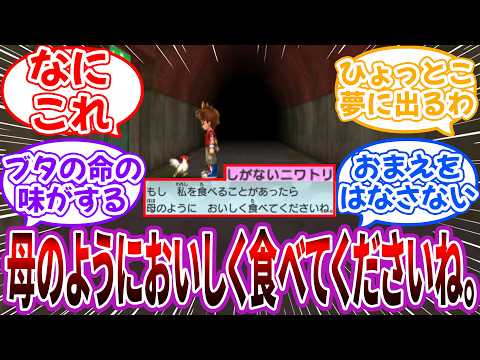
▶ Watch the original YouTube video
Why Yo-Kai Watch’s Endless Tunnel Remains a Symbol of Childhood Horror: A Deep Analysis
The Endless Tunnel in Yo-Kai Watch stands as one of gaming’s most effective horror experiences, not because of jump scares or graphic imagery, but through psychological manipulation and the subversion of player expectations in a children’s game. After 15 years of analyzing anime and games, this article explores why this single dungeon has traumatized an entire generation of players and continues to haunt gaming culture.
What Happened
The Endless Tunnel is a hidden dungeon in Yo-Kai Watch that players encounter with no warning or explanation. Upon entry, the game’s atmosphere shifts dramatically: an unsettling soundtrack plays, unexplained enemies appear without context, and players eventually encounter a mysterious entity known as the “Endless Girl.” The dungeon represents a stark departure from the game’s otherwise cheerful, child-friendly aesthetic, creating a jarring psychological experience that has left lasting impressions on players who encountered it during childhood.
Why It Matters
The Endless Tunnel exemplifies how game design can leverage interactive media’s unique properties to create psychological horror that surpasses traditional media. Unlike films or television, games create fear through unpredictability and player agency—elements that cannot be replicated in passive media. The dungeon’s impact extends beyond entertainment; it represents a generational shared trauma that has become part of gaming culture. Understanding why this single location became so effective reveals fundamental truths about how fear operates in interactive entertainment and challenges assumptions about what content belongs in children’s games.
Background
Yo-Kai Watch launched in 2008 as a children’s franchise designed to compete with Pokémon. The game was marketed as lighthearted and family-friendly, featuring cute creatures and whimsical storytelling. However, the Endless Tunnel represented an unexpected creative choice: the deliberate inclusion of genuine horror elements within a game explicitly designed for young audiences. This decision occurred during a broader industry trend in the late 2000s and early 2010s toward incorporating “adult appeal” elements into children’s games. The Endless Tunnel stands as the most extreme example of this trend, creating a stark contrast between player expectations and actual experience.
Key Points
- Absence of Explanation: The dungeon provides no narrative setup, NPC warnings, or contextual information. Players encounter it suddenly, with no preparation or understanding of what they face.
- Unsettling Audio Design: The dungeon’s background music employs dissonant low frequencies typically found in horror films, creating direct psychological impact through sound rather than visuals.
- Irrational Enemy Encounters: Enemies like “Kuikudaki” appear without logical explanation, attacking players without the game’s typical rule-based structure.
- Mysterious Central Figure: The “Endless Girl” remains completely unexplained throughout the game, with no backstory, motivation, or narrative resolution provided.
- Anime Exclusion: Despite other horror elements appearing in the anime adaptation, the Endless Tunnel is conspicuously absent, suggesting intentional creative restraint by producers.
- Generational Trauma: Players who encountered this dungeon as children report lasting psychological impact, with online communities continuing to discuss the experience years later.
Timeline
- 2008: Yo-Kai Watch launches as a children’s game franchise.
- 2014: The author first encounters the Endless Tunnel and experiences unexpected horror in what was assumed to be a cheerful children’s game.
- 2012-Present: The Endless Tunnel becomes a shared cultural reference point for players of that generation, with discussions continuing across online platforms.
- Anime Adaptation Period: While other horror elements from the game appear in the anime series, the Endless Tunnel remains deliberately unadapted.
Perspectives
The Intentional Design Perspective: The Endless Tunnel represents a deliberate creative choice by developers to expand the game’s appeal beyond its target demographic. Rather than a mistake or oversight, the horror elements reflect industry trends toward creating games with layered content for different age groups. This interpretation is supported by the sophisticated psychological techniques employed: the absence of explanation, the carefully designed audio, and the mysterious central figure all suggest careful planning rather than accident.
The Psychological Manipulation Perspective: The dungeon’s effectiveness stems from exploiting fundamental psychological principles. By violating player expectations established throughout the game, the Endless Tunnel triggers stronger fear responses than conventional horror. The “expectation violation” principle—where the human brain generates intense emotional reactions when environmental expectations are contradicted—explains why this dungeon in a children’s game creates more lasting trauma than dedicated horror titles.
The Narrative Mystery Perspective: The power of the Endless Tunnel lies not in what is explained, but in what remains unexplained. The complete absence of narrative resolution regarding the Endless Girl, the purpose of the dungeon, and the nature of the threats creates a vacuum that player imagination fills with increasingly disturbing possibilities. This approach mirrors internet horror creepypasta traditions, where ambiguity and incomplete information generate more fear than explicit explanations.
The Community Interpretation: Online discussions reveal that players view the Endless Tunnel not as a design flaw but as a shared generational experience. Comments indicate that players deliberately overcame their fear to achieve in-game objectives, suggesting the horror was recognized as intentional and even respected as effective game design.
Comparative Analysis: Horror Elements Across the Series
The Endless Tunnel is not the only horror element in Yo-Kai Watch, but it stands apart in severity and impact. Other horror dungeons include the Demon Hour, Dog Hour, and Red Box, each employing different fear mechanisms:
Demon Hour uses time pressure and arbitrary rules to create frustration-based fear, but appears in the anime adaptation in comedic form, reducing its psychological impact.
Dog Hour employs pursuit mechanics and unsettling atmosphere, appearing in the anime with notably darker tone, yet still less impactful than the Endless Tunnel.
Red Box functions as a trigger mechanism for other horror events, creating anticipatory fear rather than direct horror.
The Endless Tunnel’s uniqueness lies in its complete absence from anime adaptation. This creative decision suggests that developers recognized the dungeon’s horror effectiveness depends on the interactive, unpredictable nature of gaming. Translating it to anime—a medium with predetermined narrative structure—would eliminate the “expectation violation” that generates its psychological power. This represents sophisticated understanding of how different media create fear through different mechanisms.
Psychological Mechanisms Behind the Horror
Expectation Violation: Throughout Yo-Kai Watch, players develop expectations about game structure, difficulty progression, and narrative tone. The Endless Tunnel violates all these expectations simultaneously, creating psychological dissonance that manifests as fear.
Auditory Fear Response: Neuroscience research demonstrates that sound-based fear stimuli create stronger memory formation than visual stimuli. The dungeon’s dissonant audio design directly targets this neurological vulnerability, embedding the experience more deeply in player memory.
Absence of Agency: Unlike typical game challenges where players understand objectives and mechanics, the Endless Tunnel provides no framework for understanding or controlling the situation. This absence of agency amplifies psychological stress.
Narrative Vacuum: The complete lack of explanation regarding the Endless Girl, the dungeon’s purpose, and the nature of threats forces players to construct their own narratives. The human brain’s tendency to fill information gaps with increasingly disturbing interpretations creates escalating fear.
The Mysterious Figure: “Choshi” and Meta-Horror
The video references a mysterious entity called “Choshi,” described as a figure involved in Yo-Kai Watch’s development who exists within the game as neither human nor yokai. This character may represent a form of meta-horror—the concept that forces controlling the game world itself can breach into player reality. This technique parallels internet horror traditions like the SCP Foundation, where entities transcend narrative boundaries to threaten the audience directly. If intentional, this represents sophisticated horror writing that operates on multiple narrative levels.
Generational Trauma and Cultural Impact
Online communities reveal that players who encountered the Endless Tunnel as children continue discussing it years later, with comments describing genuine psychological distress. One notable comment describes a player dropping their Nintendo 3DS in fear, demonstrating that the horror response was physiological, not merely emotional. This generational shared experience has created a cultural touchstone—a common reference point that bonds players through mutual trauma. The phenomenon demonstrates how games can create lasting psychological impressions comparable to formative experiences in other media.
Practical Guidance for Players
Preparation: Adequate leveling and equipment reduce the psychological impact of game-based difficulty, preventing the compounding effect of mechanical failure and psychological fear.
Audio Management: Reducing audio intensity or using speakers instead of headphones can minimize the dungeon’s most psychologically effective element—its unsettling soundtrack.
Gradual Exposure: Approaching the dungeon in multiple sessions rather than continuous play allows psychological adaptation, following principles of desensitization therapy.
Contextual Information: Reading analysis and discussion of the dungeon before encountering it can reduce fear by partially resolving the “mystery” element, though complete spoilers should be avoided to preserve the experience’s psychological impact.
Comparative Perspective: Comparing the Endless Tunnel to dedicated horror games like Resident Evil or Silent Hill provides context that reduces its relative psychological impact.
Insights
The Endless Tunnel represents a pivotal moment in game design history where developers recognized and deliberately exploited the unique psychological capabilities of interactive media. Unlike films or television, games create fear through unpredictability and player agency—the player cannot simply observe horror but must actively navigate it. This fundamental difference enables game designers to create psychological experiences impossible in passive media.
The dungeon’s effectiveness also reveals the power of constraint in creative expression. By providing minimal explanation and maintaining complete narrative ambiguity, developers created more impactful horror than explicit storytelling could achieve. This principle challenges conventional wisdom about narrative clarity and suggests that strategic withholding of information can be more psychologically powerful than comprehensive explanation.
The generational impact of the Endless Tunnel demonstrates that games can create shared cultural experiences and collective memory comparable to significant events in other media. The fact that players continue referencing this dungeon years later indicates that interactive experiences create different types of memory formation than passive consumption.
Finally, the Endless Tunnel raises important questions about content appropriateness in children’s media. Rather than dismissing the dungeon as a mistake, it may represent a legitimate artistic choice to create layered content that respects children’s capacity for complex emotional experiences while maintaining the game’s primary appeal for younger audiences. Whether this approach is ethically sound remains debatable, but its effectiveness as psychological horror is undeniable.
For players who experienced this dungeon during childhood, the trauma was not wasted. It represents a genuine encounter with sophisticated game design and a shared generational bond with others who survived the same psychological challenge. The Endless Tunnel stands as evidence that games possess unique power to create lasting psychological impressions—a capability that demands both respect and careful consideration from creators.