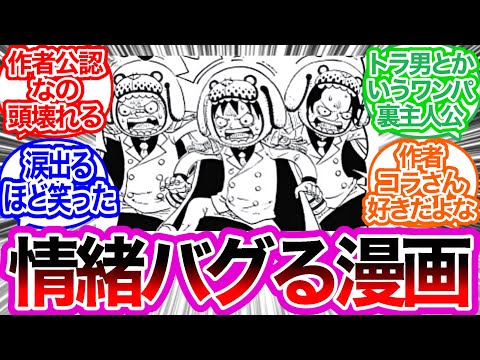
▶ Watch the original YouTube video
One Piece Party Sparks Debate: Fan Reactions Reveal the Promise and Pitfalls of Anime Spin-offs
One Piece Party, a comedy spin-off of the massively popular One Piece franchise, has generated mixed reactions from fans worldwide. The series presents beloved characters in a parallel world comedy setting, raising important questions about how spin-off works should balance fidelity to source material with creative innovation.
- What Happened
- Why It Matters
- Background
- Key Points
- Fan Reception Breakdown
- Character Psychology and Consistency
- Industry Context and Strategic Positioning
- Comparative Analysis with Other Spin-offs
- Voice Acting and Performance
- Audience Segmentation and Expectations
- Future Trajectory and Evolution
- Broader Implications for Anime Industry
- Practical Viewing Recommendations
- Insights and Conclusions
What Happened
One Piece Party has emerged as a notable spin-off adaptation that reimagines the Straw Hat crew in a comedic, slice-of-life setting rather than their canonical adventure narrative. The series presents the same characters in everyday situations—such as school life—stripping away the epic adventure elements that define the original series. This departure from the source material has sparked considerable discussion within the anime community about what spin-offs should accomplish and how they should relate to their parent franchises.
Why It Matters
One Piece Party represents a significant case study in modern anime strategy. As the anime industry increasingly develops spin-off content, understanding how audiences respond to these works becomes crucial for studios and creators. The series demonstrates both the potential and challenges of leveraging established intellectual property to reach new audiences while maintaining existing fan satisfaction. The diverse reactions to One Piece Party highlight fundamental questions about creative adaptation, character authenticity, and the role of spin-offs in expanding fictional universes.
Background
One Piece remains one of the most successful manga and anime franchises globally, with a complex, ongoing narrative that has become increasingly intricate over its decades-long run. As the main series has grown heavier in tone and more complicated in plot, the franchise has begun exploring spin-off content to reach different audience segments. One Piece Party operates as a complete departure from canon, existing in a parallel universe where the fundamental premise of the series—ocean-faring adventure and piracy—is entirely absent. Instead, characters navigate ordinary daily life with their core personalities intact but expressed through comedic rather than dramatic contexts.
Key Points
- Concept: One Piece Party places canonical characters in a parallel world comedy setting where they experience everyday life rather than epic adventures
- Audience Diversity: The series generates both enthusiastic support and criticism, with different fan segments valuing different aspects of the work
- Character Depth: The spin-off reveals new dimensions of established characters by exploring how their core personalities manifest in mundane situations
- Voice Acting Enhancement: The anime adaptation allows voice actors to explore comedic performance, adding new layers to character interpretation
- Strategic Function: The series may serve as an entry point for new audiences while offering existing fans alternative perspectives on beloved characters
- Industry Trend: One Piece Party exemplifies the anime industry’s growing investment in spin-off content as a business model
Fan Reception Breakdown
Positive Reception: Many fans appreciate the opportunity to see character personalities expressed in non-combat contexts. Social media platforms including Twitter and YouTube show substantial enthusiasm for the voice acting performances and the fresh comedic interpretations of familiar characters. Fans note that the series successfully maintains character authenticity while exploring new dimensions.
Critical Reception: Some viewers express concern that the spin-off dilutes the dramatic weight of the original series. Dedicated fans of the main narrative sometimes view One Piece Party as a distraction from ongoing story developments. Critics question whether the work requires the One Piece branding or if it could function equally well as an original comedy series.
Neutral Perspective: A third audience segment views One Piece Party as competent entertainment that raises fundamental questions about spin-off necessity. This perspective acknowledges the work’s technical quality while questioning whether the One Piece intellectual property adds essential value to the comedic premise.
Character Psychology and Consistency
A central achievement of One Piece Party lies in its approach to character consistency. Rather than abandoning established personalities, the series explores how core character traits manifest in ordinary circumstances. For example, Luffy’s fundamental optimism and determination remain evident even in mundane school settings, demonstrating that character essence transcends context. This approach differs from some comparable spin-offs that prioritize parody over psychological authenticity.
The series demonstrates that strong character design—a hallmark of One Piece—provides sufficient foundation for characters to remain recognizable and compelling regardless of narrative context. This principle suggests that One Piece Party’s value extends beyond novelty, offering genuine character exploration through alternative scenarios.
Industry Context and Strategic Positioning
The anime industry has experienced rapid growth in spin-off content over the past five years. This trend reflects more than commercial opportunism; it indicates a fundamental shift in how studios approach established franchises. One Piece Party exemplifies a strategy where spin-offs serve multiple functions: they provide alternative entry points for new audiences, offer existing fans supplementary content, and generate additional revenue streams.
The main One Piece narrative has become increasingly complex, potentially creating barriers for new viewers. One Piece Party’s lighter tone and episodic structure may function as an accessible gateway, allowing viewers to become familiar with characters and the franchise’s tone before engaging with the more demanding main series.
Comparative Analysis with Other Spin-offs
When compared to other anime spin-offs such as Attack on Titan: Junior High or Demon Slayer Academy, One Piece Party demonstrates more sophisticated character preservation. The series maintains psychological consistency while exploring comedic possibilities, whereas some comparable works prioritize parody over character authenticity. This distinction may explain why One Piece Party generates more nuanced discussion rather than simple acceptance or rejection.
The series also differs from spin-offs that attempt narrative integration with canon material. One Piece Party commits fully to its parallel universe concept, avoiding confusion about canonical status and allowing creative freedom without implications for the main storyline.
Voice Acting and Performance
The anime adaptation brings particular value through voice actor performances. The same voice cast known for dramatic intensity in the main series demonstrates versatility through comedic delivery. This performance range serves multiple purposes: it showcases actor skill, provides fresh character interpretation, and creates moments of recognition for established fans. The comedic timing and vocal characterization in One Piece Party represent genuine artistic contributions rather than simple recycling of previous work.
Audience Segmentation and Expectations
One Piece Party’s mixed reception reflects three distinct audience segments with different expectations. The first segment prioritizes narrative depth and dramatic weight, viewing spin-offs as distractions from main storyline development. The second segment values character exploration and appreciates seeing familiar personalities in new contexts. The third segment approaches the work primarily as entertainment, evaluating it on comedic merit independent of franchise connection.
Successfully satisfying all three segments simultaneously presents an inherent challenge. One Piece Party’s moderate success with each group suggests the series has achieved reasonable balance, though no approach can universally satisfy audiences with fundamentally different priorities.
Future Trajectory and Evolution
Spin-off works typically follow one of three evolutionary patterns. The first involves integration with canon, where spin-off events influence main narrative developments. The second follows independent deepening, where spin-offs establish themselves as completely autonomous works. The third encompasses multi-media expansion, distributing different storylines across various platforms and formats.
One Piece Party appears positioned toward the second pattern—establishing itself as an independent work with its own internal logic and world. This trajectory suggests potential for deeper storytelling beyond current comedic focus. If the series were to incorporate dramatic elements exploring character relationships or personal challenges within its everyday setting, it could broaden appeal while maintaining its distinct identity.
Broader Implications for Anime Industry
One Piece Party serves as an important case study for how established franchises can expand through spin-off content. The series demonstrates that successful spin-offs require more than intellectual property recognition; they demand thoughtful character interpretation, technical execution, and clear understanding of what alternative perspectives can reveal about established works.
The series also illustrates the evolving relationship between franchises and audiences. Rather than expecting linear narrative continuation, modern audiences increasingly accept and engage with parallel narratives, alternative interpretations, and supplementary content. This shift creates opportunities for creative experimentation while requiring careful management of audience expectations.
Practical Viewing Recommendations
For New Viewers: One Piece Party functions effectively as standalone entertainment. Prior One Piece knowledge enhances appreciation but is not essential for enjoyment. The series presents characters and their personalities clearly enough for uninitiated audiences to engage meaningfully.
For Existing Fans: Approaching the series as character exploration rather than canon continuation yields maximum satisfaction. Observing how established personalities adapt to ordinary circumstances provides genuine insight into character psychology. Attention to voice acting nuances reveals performance dimensions absent from dramatic contexts.
Comparative Viewing: Watching One Piece Party alongside comparable spin-offs clarifies the series’ particular strengths and approach. This comparative perspective highlights what distinguishes One Piece Party from other franchise adaptations and illuminates its specific creative choices.
Insights and Conclusions
One Piece Party represents a sophisticated approach to spin-off creation that respects source material while pursuing creative independence. The series succeeds most notably in demonstrating that character authenticity can transcend narrative context—strong character design remains compelling regardless of setting or tone.
The mixed fan reception reflects not failure but rather the inherent complexity of serving multiple audience segments with different expectations. The series’ ability to generate substantive discussion about character interpretation, franchise strategy, and creative adaptation indicates meaningful artistic engagement rather than dismissible novelty.
Perhaps most significantly, One Piece Party illustrates that spin-offs need not choose between fidelity and innovation. By maintaining character essence while exploring alternative contexts, the series demonstrates that supplementary works can provide genuine value—not as replacements for main narratives but as complementary explorations that deepen overall franchise appreciation.
As the anime industry continues developing spin-off content, One Piece Party provides a valuable model: thoughtful adaptation that respects audiences, maintains creative integrity, and recognizes that beloved characters can reveal new dimensions when placed in unfamiliar circumstances.