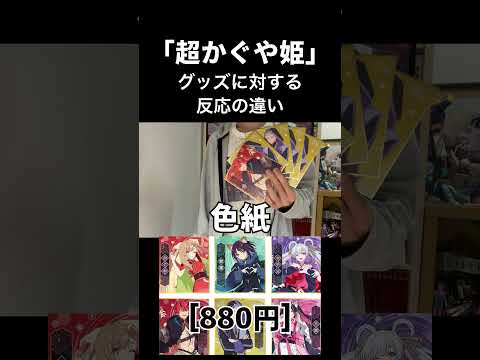
▶ Watch the original YouTube video
How ‘Super Kaguya-hime’ Merchandise Strategy Reveals the True Nature of Modern Anime Business
The merchandise strategy behind ‘Super Kaguya-hime’ offers a revealing window into how anime production committees assess commercial potential and long-term fan engagement. Through analyzing product diversity, quality, and target demographics, industry observers can predict an anime’s success trajectory and understand shifting trends in the $24 billion anime merchandise market.
What Happened
‘Super Kaguya-hime’ has launched a multi-category merchandise strategy featuring character goods, practical everyday items (tumblers, cushions, towels), limited-edition releases, and collectibles. The breadth and quality of this merchandise lineup reflects a deliberate, sophisticated approach to fan engagement that extends beyond simple profit maximization.
Why It Matters
Merchandise strategy has become a critical barometer of production committee confidence and commercial expectations for anime titles. The scale, diversity, and quality of merchandise directly correlate with long-term viewership success and fan retention. As the anime industry matures, merchandise is no longer a secondary revenue stream—it has become an integral part of the viewer experience and a key indicator of industry trends. Understanding these patterns helps fans make informed purchasing decisions and provides insight into which titles will sustain cultural relevance.
Background
Over the past 15 years, anime merchandise has evolved from simple character merchandise to a sophisticated ecosystem reflecting deeper fan psychology and market segmentation. The 2010s saw a “quantity-first” approach, exemplified by titles like ‘Sword Art Online’ and ‘Puella Magi Madoka Magica,’ where sheer volume of products ensured broad appeal. However, since 2015, market saturation has shifted industry strategy toward “quality over quantity.” Production committees now design merchandise to deepen fan immersion in a work’s narrative world rather than simply maximize SKU counts.
This evolution mirrors broader changes in consumer behavior. Modern anime fans increasingly view themselves not as passive consumers but as cultural participants who seek meaningful engagement with content. Merchandise has become a vehicle for expressing fandom identity, maintaining daily connection to beloved stories, and signaling community membership.
Key Points
- Multi-layered product strategy: ‘Super Kaguya-hime’ employs character goods, practical everyday items, and limited editions to appeal to different fan psychology profiles—from casual supporters to dedicated collectors.
- Quality-focused approach: Unlike the 500+ SKU strategy of ‘Demon Slayer,’ ‘Super Kaguya-hime’ pursues curated, high-quality merchandise that emphasizes narrative immersion over market saturation.
- Balanced character representation: Merchandise is distributed evenly across multiple characters, suggesting the production committee expects equal popularity across the cast—a strategy similar to ‘The Quintessential Quintuplets.’
- Practical utility emphasis: The prevalence of functional goods (tumblers, cushions, towels) indicates a shift toward merchandise that integrates into daily life, deepening ongoing fan engagement.
- Industry trend indicator: The merchandise strategy reflects current market trends favoring artistic expression, fan psychology alignment, and sustainable long-term fandom over short-term profit spikes.
- Production committee confidence: The scope and sophistication of the merchandise rollout signals high production committee expectations for the title’s commercial and cultural success.
Comparative Analysis: ‘Super Kaguya-hime’ vs. Industry Standards
| Title | Merchandise Scale | Strategic Approach | Target Demographic |
|---|---|---|---|
| Demon Slayer | Massive (500+ SKUs) | Overwhelming market penetration through volume | All ages |
| The Quintessential Quintuplets | Large (200+ SKUs) | Character-specific balanced distribution | Male teens to 30s |
| Re:ZERO | Large (200+ SKUs) | Fan support goods + practical utility blend | Male teens to 40s |
| Super Kaguya-hime | Medium-Large (100+ estimated SKUs) | Quality-focused multi-layered strategy | Teens to 30s (all genders) |
The Psychology Behind Merchandise Purchases
Fan merchandise purchasing follows three distinct psychological patterns:
Community Identity Goods: Character badges, keychains, and collectibles serve as visible markers of fandom community membership. Fans purchase these items to confirm their belonging within a specific fan ecosystem. This psychological mechanism drives repeat purchases and social visibility.
Immersion Goods: Practical items like tumblers, cushions, and towels allow fans to integrate the narrative world into daily life. A fan using a ‘Super Kaguya-hime’ tumbler daily maintains continuous psychological connection to the story. Research suggests fans who purchase immersion goods develop longer-lasting attachment to titles compared to those purchasing collectibles alone.
Status Goods: Limited-edition merchandise creates perceived scarcity and exclusivity. Fans purchasing limited items seek to differentiate themselves within the fandom hierarchy, signaling deeper engagement than casual fans. This psychological mechanism drives urgency and premium pricing acceptance.
The ‘Super Kaguya-hime’ merchandise strategy addresses all three psychological drivers simultaneously, indicating sophisticated understanding of fan motivation architecture.
Industry Evolution and Market Trends
2010-2015: The Quantity Era
Production committees prioritized volume. The logic was simple: with hundreds of product options, at least some would match individual preferences. ‘Sword Art Online’ and ‘Madoka Magica’ exemplified this approach.
2015-Present: The Quality Shift
Market saturation forced strategic recalibration. Production committees began emphasizing narrative-aligned design, practical utility, and psychological resonance over SKU proliferation. ‘Attack on Titan’s’ final season merchandise exemplified this transition, featuring world-building-focused items rather than simple character prints.
Emerging Trends Visible in Current Releases:
- Fan support merchandise diversification: Beyond traditional keychains and badges, fan goods now include artistic prints, narrative-themed accessories, and identity-expression items.
- Practical goods prioritization: Demand for daily-use merchandise (drinkware, textiles, home goods) has surged, reflecting desire for continuous narrative immersion.
- Limited-edition strategy refinement: Production committees now use limited releases to create sustained purchasing cycles rather than one-time sales spikes.
- Digital-physical integration: Merchandise increasingly includes digital content access codes, creating hybrid physical-digital fan experiences.
Practical Guidance for Fans
Start with Practical Goods
Begin merchandise collecting with functional items (tumblers, towels, cushions). Daily use deepens narrative connection and provides better value than collectibles that sit on shelves. This approach also prevents impulse overspending on decorative items.
Identify Your “Main Character” Before Collecting
With multi-character merchandise strategies, purchasing goods for every character creates exponential spending. Select one primary character focus to maintain budgetary control. Fans who purchase equally across all characters often exceed $20,000+ annually without realizing cumulative expenditure.
Apply the Three-Day Rule to Limited Editions
Limited-edition merchandise is psychologically designed to trigger urgency. Before purchasing, wait three days. If you still desire the item after the initial excitement fades, it represents genuine preference rather than impulse purchasing. This simple discipline prevents regrettable purchases.
Deepen Context Through Related Media
The “Kaguya-hime” title references classical Japanese literature. Engaging with source material and related works enriches merchandise appreciation and deepens narrative understanding. This context transforms merchandise from simple products into meaningful cultural artifacts.
Public Reception and Community Response
Positive Reception: Twitter users consistently praise merchandise quality and practical utility. Comments like “I use this tumbler daily” and “This cushion exceeded expectations” dominate positive discourse. Fans appreciate that merchandise serves functional purposes beyond collectibility.
Critical Concerns: Some fans express frustration with pricing and overwhelming product variety. The abundance of options creates decision paralysis and purchasing pressure. This represents a genuine challenge for production committees balancing merchandise diversity with fan accessibility.
Analytical Community Insights: YouTube and forum discussions reveal sophisticated fan analysis. Comments like “This merchandise strategy reveals production committee confidence” and “The goods help me understand the narrative world better” demonstrate that modern fans engage with merchandise as cultural text, not mere products.
Industry Recognition: Anime industry observers note that ‘Super Kaguya-hime’s’ quality-focused strategy represents emerging best practices. The approach balances commercial viability with fan psychology alignment—a model increasingly adopted by other productions.
Insights and Future Implications
The ‘Super Kaguya-hime’ merchandise strategy signals that the anime industry has entered a mature phase where merchandise functions as narrative extension rather than commercial afterthought. Production committees now design goods to answer the question: “What do we want fans to feel when engaging with this merchandise?” rather than simply “How many products can we sell?”
This evolution reflects broader cultural shifts. Anime has transitioned from niche entertainment to globally recognized cultural medium. Correspondingly, merchandise has evolved from disposable fan trinkets to meaningful cultural artifacts that deepen narrative immersion and community identity.
If ‘Super Kaguya-hime’s’ quality-focused strategy succeeds commercially, future production committees will likely adopt similar approaches. This would represent a fundamental industry recalibration away from quantity-based competition toward quality and psychological resonance-based differentiation. Early indicators from 2023-2024 releases suggest this transition is already underway.
However, one concern warrants attention: as merchandise diversity increases, fan purchasing burden intensifies. Production committees must balance comprehensive product offerings with fan economic accessibility. Sustainable fandom requires merchandise strategies that don’t create financial strain for devoted supporters.
The merchandise ecosystem surrounding ‘Super Kaguya-hime’ ultimately represents more than commercial strategy. It demonstrates how modern anime production committees view fan relationships—not as transactional consumer interactions but as meaningful cultural partnerships. Through thoughtfully designed merchandise, production committees extend narrative worlds into fans’ daily lives, transforming passive viewing into active cultural participation.
This represents anime’s maturation as a medium. Merchandise is no longer peripheral—it has become central to how fans experience and express their relationship with beloved stories.