▶ Watch the original YouTube video
How Primitive Dragon Stole the Final Episode of Kamen Rider Saber: Fan Reactions Explained
Kamen Rider Saber’s final episode featured a pivotal moment with the Primitive Dragon form that moved audiences and sparked widespread discussion online. After seasons of underwhelming appearances, this rampage form became the emotional and thematic centerpiece of the series finale, symbolizing the triumph of storytelling itself over despair.
What Happened
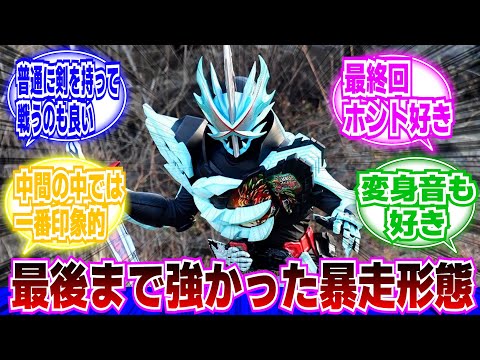
In the final episode of Kamen Rider Saber, the Primitive Dragon form—initially introduced as an uncontrollable, destructive transformation—made a dramatic return. Rather than serving as a threat, the form voluntarily intervened in the climactic battle against Storious, the series’ main antagonist. Despite being in a rampage state and unconscious, Primitive Dragon chose to aid the protagonist, becoming the decisive factor in the final confrontation. This moment represented a complete narrative reversal from the form’s earlier portrayal as a dangerous, selfish force.
Why It Matters
The Primitive Dragon’s final appearance carries significant thematic weight within Saber’s narrative framework. Storious, the antagonist, represents despair toward storytelling itself—he seeks to destroy the world through a narrative of destruction. Primitive Dragon, conversely, embodies the power of story as a living force. The symbolic clash between a being that has abandoned narrative and one that IS narrative creates a profound statement about the series’ central theme: the redemptive power of stories. This moment also marks an evolution in how Kamen Rider portrays “rampage forms,” moving beyond simple destructive threats to explore more complex emotional and philosophical dimensions.
Background
Kamen Rider Saber, which premiered in 2020, centers on the concept of “the power of stories” as its thematic core. The Primitive Dragon form first appeared in the middle episodes as a wild, uncontrollable transformation tied to loneliness and desperation. Unlike typical Ride Books that activate through the user’s will, Primitive Dragon operates independently, suggesting a degree of autonomous consciousness. Throughout the series, this form appeared sporadically and without particular distinction, leading many viewers to regard it as an underdeveloped element. However, this apparent lack of development proved intentional—a narrative setup for the final episode’s emotional payoff.
The series draws thematic parallels to previous Kamen Rider entries, particularly Kamen Rider Wizard (which explored hope versus despair) and Kamen Rider Build (which introduced the concept of autonomous consciousness in artificial beings). Saber synthesizes these concepts, creating a unique exploration of how creation—in this case, storytelling—can transcend its creator’s intentions.
Key Points
- Narrative Redemption Arc: Primitive Dragon transforms from a selfish, destructive force driven by loneliness into a selfless ally motivated by friendship and solidarity, completing a character arc across the entire series.
- Thematic Symbolism: The form represents storytelling itself confronting despair, creating a direct philosophical clash with Storious that transcends mere physical combat.
- Design and Execution: The final episode showcases refined visual details—bone-like armor, reverse-grip sword handling, and deliberate movements—that emphasize the fusion of primal instinct and conscious choice.
- Subverted Expectations: The form’s earlier underwhelming appearances created a “gap effect” that made the final episode impact significantly more powerful through contrast.
- Autonomous Agency: Unlike other rampage forms in the Kamen Rider franchise, Primitive Dragon demonstrates independent will, choosing to help rather than being controlled or restrained.
- Creator’s Irony: Storious unknowingly created the very force that would become instrumental in his defeat, reflecting themes of creation escaping creator intent.
Timeline
- Early Series: Primitive Dragon introduced as an uncontrollable rampage form, appearing sporadically with destructive results.
- Mid-Series: Form continues to appear without particular distinction, leading viewers to underestimate its narrative importance.
- Final Episode: Primitive Dragon makes a decisive, voluntary appearance in the climactic battle against Storious, fundamentally altering the conflict’s outcome.
Perspectives
Fan reactions on social media platforms revealed strong emotional responses. Twitter users reported being moved to tears by Primitive Dragon’s final appearance, with many noting that the form’s earlier lack of prominence made the finale more impactful. Discussion forums highlighted appreciation for the form’s unique design elements and fighting style, which combined primal ferocity with deliberate, weapon-based combat—a distinction from other rampage forms in the franchise.
Some viewers expressed initial confusion about the form wielding a sword while in a rampage state, viewing this as inconsistent with typical “loss of control” portrayals. However, this apparent contradiction reflects the series’ intentional design: Primitive Dragon maintains rationality and purpose even while in a wild state, embodying the fusion of instinct and consciousness that defines its character arc.
Comparative analysis with previous Kamen Rider entries—particularly Kamen Rider Ohrges’ Putotyra form and Kamen Rider Kiva’s Garulu form—revealed that Primitive Dragon occupies a unique narrative position. While earlier rampage forms served primarily as threats or obstacles, Primitive Dragon functions as an ally, suggesting an evolution in how the franchise explores transformation and agency.
Insights
The Primitive Dragon’s narrative arc demonstrates sophisticated storytelling craft. The form’s apparent weakness—its earlier lack of development—becomes its greatest strength through careful structural planning. By deliberately underutilizing the form during the series’ middle chapters, the production team created narrative tension and expectation that paid dividends in the finale.
The thematic resonance between Primitive Dragon and Storious reveals the series’ philosophical depth. Storious represents the despair of creation—a creator who has lost faith in the value of his own creations. Primitive Dragon, by contrast, embodies creation’s capacity for transcendence and redemption. The form’s voluntary intervention suggests that what we create can exceed our intentions and surpass our limitations, offering hope even when creators themselves have abandoned hope.
This narrative choice also reflects broader themes about storytelling’s power. In a series explicitly about “the power of stories,” having the climactic moment hinge on a form that IS story itself creates elegant thematic closure. Primitive Dragon doesn’t defeat Storious through superior strength alone; it defeats him by proving that stories—wild, primal, and yet fundamentally purposeful—possess an inherent value that transcends despair.
The form’s design language reinforces these themes. Bone-like armor suggests both primitive origins and skeletal structure—a visual metaphor for the bare essence of narrative itself. The reverse-grip sword handling and deliberate movements convey controlled wildness, embodying the paradox of conscious instinct. These details suggest that the production team invested considerable thought into making Primitive Dragon’s final appearance visually and thematically coherent.
For viewers approaching Saber for the first time, the Primitive Dragon arc offers a valuable lesson in narrative patience. The form’s apparent insignificance during the middle episodes serves a purpose, and revisiting those earlier appearances with knowledge of the finale reveals layers of intentional foreshadowing and character development. This structure rewards attentive viewing and demonstrates how effective storytelling operates across extended narratives rather than isolated moments.