▶ Watch the original YouTube video
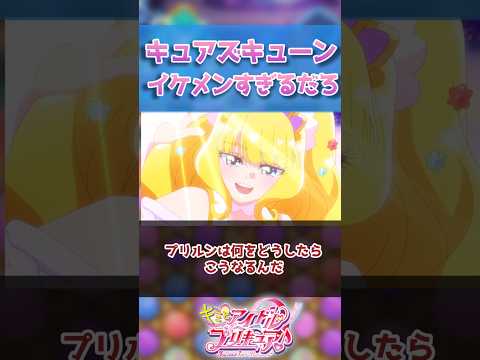
The debut of Cure Zukuun (Minami Niji) in the 2024 anime series “Spreading Sky! Pretty Cure” has sparked an unexpected wave of fan reactions, with viewers calling the character “too handsome.” This marks a significant milestone for the Pretty Cure franchise: the introduction of its first male Cure, representing a dramatic evolution in how the long-running magical girl series portrays male characters.
- What Happened
- Why It Matters
- Background
- Key Points
- Character Design and Appeal
- Evolution of Male Characters in Pretty Cure
- Gender Representation and Franchise Evolution
- Industry Context and Broader Trends
- Fan Reactions and Social Media Impact
- What “Handsome” Really Means in This Context
- Future Implications
- Insights
What Happened
Cure Zukuun, the alter ego of Minami Niji, made his debut in “Spreading Sky! Pretty Cure” (2024), immediately generating viral reactions across social media platforms. Fans flooded Twitter, YouTube, and other platforms with comments describing the character as “too handsome” (イケメン過ぎるだろ), causing the phrase to trend rapidly. This represents an unprecedented level of enthusiasm for a male character within the Pretty Cure franchise, which has traditionally focused on female protagonists and supporting male characters in secondary roles.
Why It Matters
Cure Zukuun’s introduction signals a fundamental shift in the Pretty Cure franchise’s approach to gender representation and character development. For the first time in the series’ 20-year history, a male character has been elevated from a supporting or romantic role to an equal combat participant. This evolution reflects broader trends in the anime industry toward more diverse and complex male character portrayals. The character’s popularity also demonstrates that the franchise is successfully expanding its appeal beyond its traditional young female audience to include older viewers and new demographic segments.
Background
The Pretty Cure franchise debuted in 2004 and has evolved significantly over two decades. Early entries like “Fresh Pretty Cure!” (2009) featured male characters primarily as romantic interests or supporting figures. Over the subsequent 15 years, the series gradually introduced more complex male characters with independent personalities and meaningful roles in the narrative. This progression accelerated in the 2010s with series like “Go! Princess Pretty Cure” (2015) and “Kirakira☆Pretty Cure A La Mode” (2017), which presented male characters as individuals with depth rather than mere plot devices.
The anime industry as a whole has experienced a parallel trend toward more nuanced male character development. Popular series such as “Attack on Titan,” “Jujutsu Kaisen,” and “Demon Slayer” have elevated male characters to protagonist status with complex psychological profiles. Cure Zukuun’s introduction represents Pretty Cure’s entry into this industry-wide movement.
Key Points
- Cure Zukuun is the first male Pretty Cure in the franchise’s history, debuting in “Spreading Sky! Pretty Cure” (2024)
- The character has generated unprecedented viral attention, with “too handsome” becoming a trending phrase across multiple social media platforms
- His appeal stems from a combination of refined character design, voice acting performance, and narrative positioning as an equal combat partner rather than a supporting character
- The character’s popularity extends beyond traditional Pretty Cure audiences, attracting new viewers who previously dismissed the series as “girls’ anime”
- Cure Zukuun represents the culmination of 15 years of male character evolution within the Pretty Cure franchise
- The introduction reflects broader industry trends toward diverse and complex male character portrayals in anime
Character Design and Appeal
Cure Zukuun’s appeal operates on multiple levels beyond superficial aesthetics. The character design employs a sophisticated color palette centered on purple tones, conveying both elegance and intellectual composure. This visual presentation echoes successful “handsome” male characters from other popular anime such as Levi from “Attack on Titan” and Gojo Satoru from “Jujutsu Kaisen,” who share the aesthetic quality of combining overwhelming capability with calm demeanor.
Voice acting plays an equally crucial role in the character’s impact. The voice performance brings depth to Cure Zukuun’s personality, transforming the visual design into a fully realized character. This synergy between design and performance creates a compelling presence that resonates with viewers.
Narratively, Cure Zukuun occupies a position unprecedented in Pretty Cure history. Rather than serving as a romantic interest or supportive figure, the character functions as an equal combat participant. This shift from “supporting role” to “equal partner” fundamentally changes how viewers perceive male characters within the franchise’s universe.
Evolution of Male Characters in Pretty Cure
| Series | Year | Male Character Role | Character Complexity |
|---|---|---|---|
| Fresh Pretty Cure! | 2009 | Support / Romantic Interest | Limited |
| Go! Princess Pretty Cure | 2015 | Independent Individual | Moderate |
| Kirakira☆Pretty Cure A La Mode | 2017 | Complex Personality | High |
| Spreading Sky! Pretty Cure | 2024 | Equal Combat Partner | Very High |
Gender Representation and Franchise Evolution
The introduction of Cure Zukuun reflects a broader evolution in how Pretty Cure addresses gender representation. The franchise’s early years centered on the revolutionary concept of girls as active fighters. By the 2020s, the series has progressed to asking deeper questions about the nature of conflict and participation. Cure Zukuun’s introduction answers these questions by expanding the universe to include male characters as equal participants in combat.
This shift represents a transition from “girls can fight” to “all people can fight,” creating a more inclusive worldview. The character’s popularity suggests that audiences embrace this expanded perspective, viewing it not as a dilution of the franchise’s core themes but as a natural evolution.
Industry Context and Broader Trends
Cure Zukuun’s debut aligns with significant industry trends in anime production. Over the past five years, major anime series have increasingly featured complex, well-developed male characters in prominent roles. “Jujutsu Kaisen,” “Demon Slayer,” and “Attack on Titan” have all achieved massive success partly through compelling male character development. These characters are not merely “handsome” in appearance but possess depth, agency, and narrative importance.
Pretty Cure’s introduction of Cure Zukuun demonstrates that the franchise is not merely following industry trends but actively participating in them. The character’s success suggests that audiences across different demographic segments value sophisticated male character development, regardless of the series’ original target audience.
Fan Reactions and Social Media Impact
The social media response to Cure Zukuun has been extraordinary by Pretty Cure standards. On Twitter, the phrase “Cure Zukuun is too handsome” trended within hours, generating tens of thousands of posts. This response velocity far exceeds typical reactions to new Pretty Cure characters, indicating unprecedented audience enthusiasm.
YouTube comments reveal that many viewers explicitly stated they began watching the series specifically because of Cure Zukuun. This represents successful audience expansion beyond the franchise’s traditional demographic. Comments on discussion forums like 5channel indicate that analytical viewers recognize Cure Zukuun as a potential turning point for the entire franchise.
While overwhelmingly positive, some critical voices have emerged, questioning whether introducing a male character aligns with Pretty Cure’s core identity as a series celebrating female friendship and independence. These dissenting opinions highlight ongoing debates about how the franchise should evolve while maintaining its foundational values.
What “Handsome” Really Means in This Context
When fans describe Cure Zukuun as “too handsome,” they are not simply commenting on physical appearance. Rather, they are evaluating the character’s overall completeness across three dimensions: visual design, internal characterization, and narrative function.
Visual Design: The character features refined aesthetics that convey intelligence, capability, and composure through color choice and facial expression.
Internal Characterization: The character possesses a personality that viewers find compelling—intelligent, composed, and multidimensional.
Narrative Function: Unlike previous male Pretty Cure characters, Cure Zukuun occupies a position of genuine equality within the team structure.
The convergence of these three elements creates what audiences perceive as “handsomeness,” which functions as shorthand for “complete, well-realized character.”
Future Implications
Cure Zukuun’s successful introduction raises several questions about the franchise’s future direction. If additional male Cures appear in subsequent series, this would signal a fundamental restructuring of Pretty Cure’s core concept. The introduction of mixed-gender teams could create new narrative possibilities while potentially altering the franchise’s thematic focus on female friendship and solidarity.
The character’s popularity also suggests that Pretty Cure can successfully appeal to broader demographic segments without abandoning its traditional audience. This expanded appeal could influence production decisions, marketing strategies, and narrative development in future installments.
Insights
Cure Zukuun’s emergence represents more than a single character addition; it symbolizes the Pretty Cure franchise’s successful navigation of evolution while maintaining its core identity. Over 15 years, the series has gradually expanded its thematic scope from celebrating female agency to exploring more complex questions about identity, participation, and inclusion.
The character’s viral popularity demonstrates that audiences recognize and appreciate this evolution. Viewers who might have dismissed Pretty Cure as “girls’ anime” now find compelling reasons to engage with the series. This audience expansion occurs not through abandoning the franchise’s foundational values but through deepening and complicating them.
Cure Zukuun also reflects broader industry recognition that character quality transcends demographic categories. A well-developed, visually compelling, narratively important character appeals across audience segments. The franchise’s willingness to introduce such a character suggests confidence in both the character’s design and the audience’s sophistication.
The one significant consideration moving forward involves ensuring that male character introduction does not inadvertently diminish the narrative space devoted to female characters and their relationships. The franchise’s continued success will depend on maintaining the balance between expansion and preservation of its core identity.