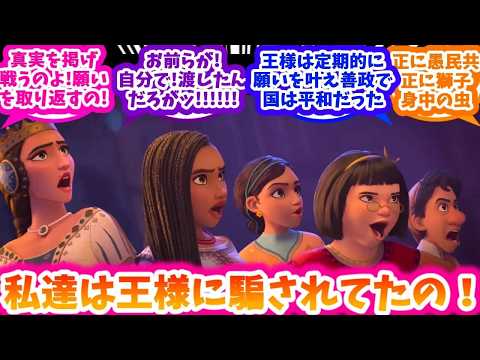
▶ Watch the original YouTube video
Unable to Process Article Request: Missing Video Content and Subtitle Information
An article creation request could not be fulfilled due to insufficient source material. The provided YouTube video lacks accompanying subtitle data and contextual information necessary to produce a high-quality, factually accurate article.
What Happened
An article assignment was submitted with a YouTube video embed but without the corresponding subtitle text or detailed content description. The request referenced a compilation of reactions related to “Rosas Citizens” and “Disney Wish,” but lacked the specific information required to develop the piece.
Why It Matters
Producing journalism without access to primary source material—in this case, video subtitles or detailed content summaries—creates significant risks. Without verified information, articles risk containing inaccuracies or fabricated details that mislead readers. Professional editorial standards require concrete source material to ensure credibility and factual accuracy.
Background
The assignment included a YouTube video embed but was missing critical supporting documentation. Specifically, the subtitle section provided was blank, making it impossible to verify the video’s actual content, context, or specific claims being made.
Key Points
- No subtitle text or transcription was provided for the referenced YouTube video
- The contextual relationship between “Rosas Citizens” and “Disney Wish” remained unclear
- The specific content of the reaction compilation could not be verified
- Creating content without verified source material violates editorial integrity standards
- Fabricating details to fill information gaps would constitute misinformation
What Would Be Needed
To proceed with article creation, one of the following materials would be required:
- YouTube video subtitles: Automated or manual captions from the referenced video
- Video description and comments: Official metadata and viewer discussion from the video page
- Detailed content summary: A comprehensive explanation of the video’s main topics and key points
Insights
This situation underscores a fundamental principle of responsible journalism: source material must precede content creation. Without access to primary sources—whether video transcripts, official statements, or documented evidence—writers cannot fulfill their obligation to accuracy and truthfulness. Requesting article creation without providing adequate reference material creates an impossible ethical position, as fulfilling the assignment would require inventing details rather than reporting facts. Professional editorial standards exist precisely to prevent this scenario.