▶ Watch the original YouTube video
A pivotal scene from the 2008 anime “Magical Girl Lyrical Nanoha StrikerS” featuring the character Regius has become legendary among fans for its perfect logical counterargument to viewer criticism. This analysis explores why the moment resonated so deeply and what it reveals about character psychology in anime.
What Happened
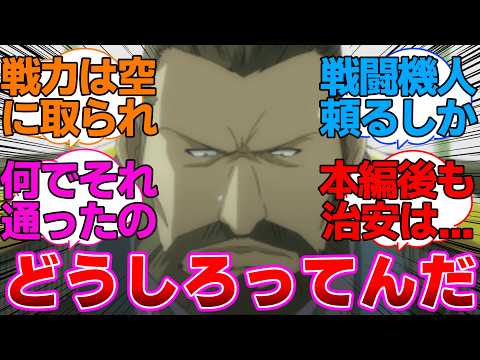
In “Magical Girl Lyrical Nanoha StrikerS,” the character Regius delivers a powerful line: “So what should I have done?” in response to criticism of his actions. Rather than a simple expression of anger, this moment functions as a complete logical refutation of the viewer’s moral judgment. The scene combines perfect voice acting, precise timing, and background music to create an unforgettable moment that challenges viewers’ assumptions about right and wrong.
Why It Matters
This scene represents a rare instance in anime where a character directly confronts and undermines the viewer’s moral superiority. Instead of defending his actions through justification, Regius turns the question back on the audience: “What did you do?” This psychological reversal creates what researchers call “cognitive dissonance,” forcing viewers to reconsider their initial judgments. The moment exemplifies how complex character psychology can elevate storytelling by refusing to offer simple moral answers.
Background
“Magical Girl Lyrical Nanoha StrikerS” aired in 2008, during a pivotal era for late-night anime in Japan. This period saw works like “Code Geass” (2006), “Fate/stay night” (2006), and “The Melancholy of Haruhi Suzumiya” (2006) prioritizing complex character psychology over straightforward narratives. Regius, rather than being a simple villain, emerges as a morally ambiguous character who genuinely believes in the legitimacy of his actions. This complexity distinguishes him from other antagonists in anime history.
Key Points
- Logical Counterargument: Regius’s line functions as a perfect logical refutation rather than a simple emotional outburst, forcing viewers to defend their moral judgments.
- Character Conviction: Unlike typical villains who justify themselves, Regius demonstrates genuine certainty in his actions, creating moral ambiguity rather than clear villainy.
- Voice Acting Excellence: The delivery combines anger and conviction seamlessly, demonstrating the voice actor’s technical mastery of complex emotional expression.
- Viewer Psychology: The scene exploits cognitive dissonance by undermining the viewer’s unconscious moral superiority, creating a lasting psychological impact.
- Era-Specific Relevance: The scene perfectly aligns with late-2000s anime trends emphasizing character complexity over simple moral narratives.
- Rarity in Anime: Scenes where characters logically corner viewers rather than inspire or entertain them remain exceptionally uncommon in the medium.
Timeline
- 2006: Complex character-driven anime like “Code Geass,” “Fate/stay night,” and “The Melancholy of Haruhi Suzumiya” establish new standards for character psychology.
- 2008: “Magical Girl Lyrical Nanoha StrikerS” airs, featuring Regius’s iconic scene that challenges viewer moral judgment.
- 2008-Present: The scene gains legendary status within anime fandom, becoming a reference point for character-driven storytelling.
Perspectives
Supportive Interpretation: Many viewers praise the scene as a perfect logical deconstruction of viewer bias. They argue that Regius’s question legitimately exposes the hypocrisy of judging a character’s difficult choices without offering alternatives. This perspective celebrates the scene’s intellectual rigor and refusal to provide easy moral answers.
Critical Interpretation: Other viewers maintain that regardless of logical merit, Regius’s actions remain morally indefensible. They argue that the scene represents clever rhetoric rather than genuine justification, and that emotional or moral judgment should supersede logical argumentation in evaluating character actions.
Psychological Interpretation: A third perspective focuses on the scene’s effectiveness as psychological manipulation. From this view, the scene’s power derives not from Regius being correct, but from how effectively it triggers cognitive dissonance in viewers—forcing them to confront their own unconscious moral judgments.
Comparative Analysis
Regius’s moment distinguishes itself from similar scenes in other acclaimed anime. Lelouch from “Code Geass” expresses ambition and confidence, but primarily articulates his own goals rather than confronting others. Light from “Death Note” positions himself beyond morality entirely, whereas Regius claims legitimacy within moral frameworks. Erwin from “Attack on Titan” inspires through rhetoric, while Regius corners through logic. Shinji from “Neon Genesis Evangelion” expresses helplessness and victimhood, the inverse of Regius’s conviction. What makes Regius unique is his ability to logically trap the viewer while maintaining genuine belief in his position’s validity.
Fan Reception
Online responses to the scene demonstrate its polarizing impact. Twitter users frequently cite it as a perfect example of character-driven storytelling and logical argumentation. YouTube comments reveal viewers returning to the scene repeatedly, describing emotional resonance that deepens with each viewing. However, significant debate persists: some viewers express genuine sympathy for Regius’s position, while others insist his actions remain unjustifiable regardless of rhetorical skill. This ongoing disagreement itself validates the scene’s success—it creates space for genuine moral disagreement rather than imposing predetermined conclusions.
Insights
Regius’s scene represents a high point in anime’s potential to challenge rather than comfort viewers. The moment succeeds because it refuses simple answers. By asking “What should I have done?” Regius doesn’t claim innocence; he demands that viewers justify their moral judgment with concrete alternatives. This approach respects viewer intelligence while destabilizing their assumptions.
The scene’s enduring impact suggests that audiences hunger for character complexity that doesn’t resolve into clear moral categories. In an era when anime increasingly emphasizes emotional motivation over logical consistency, Regius stands as a reminder of what becomes possible when writers trust viewers to sit with moral ambiguity. The question he poses—whether he genuinely believed in his actions or merely rationalized them—remains deliberately unanswered, and that ambiguity is precisely what gives the moment its power.
The broader implication extends beyond this single scene: anime achieves its greatest artistic potential not when it provides answers, but when it forces viewers to confront the limitations of their own moral frameworks. Regius’s line accomplishes this by turning the viewer’s judgment back upon themselves, creating a moment of genuine intellectual and emotional challenge that remains rare in the medium.