▶ Watch the original YouTube video
Kamen Rider Blade’s Audio Problem: Why Unintelligible Dialogue Became a Beloved Meme
A viral video has brought renewed attention to Kamen Rider Blade’s notorious audio quality issues, where the protagonist’s dialogue is nearly impossible to understand despite subtitles. What began as a technical flaw in early-2000s tokusatsu production has transformed into a cherished piece of fan culture, revealing how production constraints and audience creativity can paradoxically strengthen a show’s legacy.
- What Happened
- Why It Matters
- Background
- Key Points
- Production Context: Early 2000s Tokusatsu Constraints
- Comparative Analysis: Audio Quality Across Contemporary Tokusatsu
- Why “Onduru-go” Became Beloved
- Viewer Reception and Online Response
- Insights: What Blade Reveals About Tokusatsu and Fan Culture
- Recommendations for Viewers
- Conclusion
What Happened
Kamen Rider Blade, which aired in 2004–2005, has become infamous among viewers for a persistent audio problem: the protagonist Kazushiro Kenzaki’s dialogue is nearly incomprehensible, often sounding nothing like the subtitles displayed on screen. Viewers report that even after repeated listening, they cannot hear the dialogue as written. The phenomenon has spawned the fan term “Onduru-go” (a playful reference to the garbled sound), and a recent video compilation of these audio issues has sparked widespread discussion about the show’s technical challenges and its enduring appeal despite them.
Why It Matters
The Blade audio problem illustrates a critical moment in tokusatsu (Japanese special effects) production history. It reveals how budget constraints, environmental filming conditions, and technological limitations in the early 2000s directly impacted broadcast quality. More significantly, it demonstrates how audiences transform technical flaws into cultural artifacts through collective interpretation and humor. The phenomenon challenges conventional assumptions about what makes a show “good”—suggesting that authenticity and production reality can matter more to fans than technical perfection.
Background
Kamen Rider Blade was produced during a period of budget reductions at Japanese television networks. The Heisei Kamen Rider series, of which Blade was a part, faced increasingly limited production budgets. Unlike anime, where dialogue can be re-recorded in studios after filming, tokusatsu relies on location sound recording, meaning on-set audio quality directly determines broadcast quality.
According to the viral video, the primary cause of Blade’s audio problems was the cold filming environment. In freezing conditions, actors’ mouths become stiff, making articulation difficult and resulting in unclear speech. The show relied heavily on location shooting rather than studio recording, leaving it vulnerable to environmental factors. This stands in contrast to contemporary productions like Kamen Rider 555 (2003–2004), which reportedly achieved better audio quality through more extensive studio recording sessions.
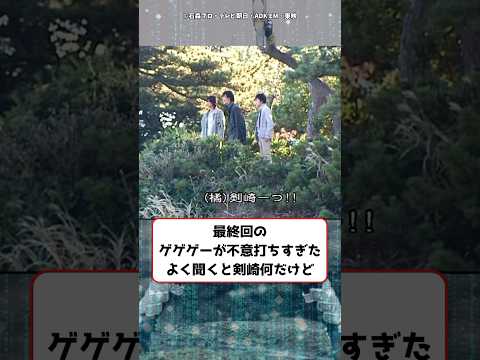
The audio issue is particularly pronounced in critical scenes. One frequently cited example involves dialogue that should sound like “Kenzaki” but instead sounds like “Gegege” to most listeners—a discrepancy that persists even when viewers know what the subtitle claims.
Key Points
- Kamen Rider Blade’s protagonist’s dialogue is frequently unintelligible, with viewers unable to match audio to subtitles despite repeated listening
- Cold filming conditions caused actors’ articulation to suffer, resulting in degraded audio quality at the source
- The show relied heavily on location recording rather than studio audio work, leaving it vulnerable to environmental constraints
- Despite audio problems, the show’s strong storytelling, character development, and action sequences preserved its overall quality and appeal
- The audio issues have been reframed by fans as a cultural phenomenon and meme, strengthening rather than diminishing the show’s legacy
- The situation reflects broader production challenges facing tokusatsu in the early 2000s, when budgets were declining and technical post-processing solutions were unavailable
Production Context: Early 2000s Tokusatsu Constraints
The early 2000s represented a challenging period for tokusatsu production. Television networks were cutting budgets, and special effects shows faced particular pressure. Unlike modern productions with AI-powered noise cancellation and advanced audio post-processing, 2004 offered no such solutions. On-set audio quality was essentially final broadcast quality.
Tokusatsu’s reliance on live-action location shooting created vulnerabilities that animation could avoid. While anime voice actors could re-record dialogue in controlled studio environments, tokusatsu actors’ performances were captured in real time, often in suboptimal conditions. Limited studio recording time meant higher reliance on location audio, compounding environmental challenges.
Blade’s production approach differed from its contemporary Kamen Rider 555, which achieved superior audio quality through greater studio recording utilization. This comparison suggests that production methodology and resource allocation directly influenced audio outcomes.
Comparative Analysis: Audio Quality Across Contemporary Tokusatsu
Kamen Rider Blade (2004–2005): Protagonist dialogue frequently unintelligible; environmental factors cited as primary cause; minimal post-production audio correction.
Kamen Rider 555 (2003–2004): Relatively good audio quality; greater utilization of studio recording sessions; superior dialogue clarity.
Ultraman Max (2005–2006): Background noise sometimes overwhelmed dialogue; audio balance improved in later episodes through corrective measures.
This pattern suggests that productions with more generous studio recording allocations achieved better audio outcomes, while those relying primarily on location recording faced greater challenges.
Why “Onduru-go” Became Beloved
The transformation of Blade’s audio flaw into a cherished meme reveals several psychological and cultural mechanisms at work.
Content Quality Transcends Technical Flaws: Blade’s strong storytelling, character arcs, and action sequences provided sufficient narrative value to overshadow audio problems. Viewers could understand plot and dialogue through subtitles and context, making audio clarity less critical to comprehension.
Active Audience Participation: The unintelligible dialogue created a puzzle that viewers actively engaged with. Debating what the actor “really” said, proposing alternative interpretations, and collectively constructing meaning transformed passive consumption into creative participation. This engagement deepened fan investment in the show.
Production Authenticity: Knowledge of the filming conditions—the cold weather, budget constraints, and production realities—created empathy for the creators. Rather than viewing the audio problems as careless mistakes, fans recognized them as artifacts of genuine production struggle. This transparency paradoxically increased emotional connection.
Internet Culture and Meme Formation: The early-to-mid 2000s coincided with rapid internet expansion and fan community growth. Online forums and early social media provided spaces where the audio anomalies could be discussed, joked about, and collectively mythologized. The term “Onduru-go” emerged from this collaborative fan culture.
Unintended Comedy: The mismatch between audio and subtitles created accidental humor. Scenes that should have been serious became unintentionally funny, adding an unexpected entertainment layer that viewers embraced.
Viewer Reception and Online Response
Fan reactions to Blade’s audio issues reveal nuanced attitudes toward production quality and authenticity. Common responses include:
Persistent Confusion: “No matter how many times I listen, I can’t hear it the way the subtitles say” reflects genuine effort to reconcile audio and text, demonstrating serious engagement with the material.
Balanced Skepticism: Comments acknowledging that the meme status might influence perception while maintaining that the audio genuinely sounds wrong show critical thinking and self-awareness among viewers.
Unintended Comedy Recognition: “I laugh at scenes that shouldn’t be funny” indicates viewers’ awareness that the audio creates unexpected emotional effects, which they embrace rather than reject.
These responses demonstrate that Blade’s audience has matured beyond simple fandom into a sophisticated relationship with the work—one that acknowledges flaws while celebrating the show’s inherent value.
Insights: What Blade Reveals About Tokusatsu and Fan Culture
Kamen Rider Blade’s audio problem represents more than a technical failure; it exemplifies how production constraints, audience creativity, and cultural timing intersect to create unexpected legacies.
The show demonstrates that technical perfection is not prerequisite for cultural resonance. Nearly two decades after broadcast, Blade remains beloved despite—or perhaps partly because of—its audio challenges. This suggests that authenticity, narrative strength, and production transparency matter more to audiences than flawless execution.
The transformation of a flaw into a meme indicates fan community maturity. Rather than dismissing the show or pretending the problem doesn’t exist, audiences acknowledged the issue and integrated it into their appreciation. This represents a sophisticated form of fandom that embraces imperfection as part of a work’s character.
For tokusatsu production history, Blade serves as a case study in how early-2000s budget constraints and technological limitations shaped broadcast quality. It also illustrates how location-dependent production methodologies created vulnerabilities that studio-heavy approaches could mitigate.
Finally, Blade’s enduring appeal suggests that viewers value the human reality behind production—the struggle, the constraints, the genuine effort—over polished perfection. In an era increasingly dominated by high-budget, technically flawless productions, Blade’s imperfect authenticity may hold particular appeal.
Recommendations for Viewers
Enable Subtitles: Subtitles are essential for comprehension, as audio clarity cannot be relied upon. This transforms the audio issue from a barrier into a non-issue.
Adjust Expectations: Knowing in advance that audio quality is compromised reduces frustration and allows viewers to appreciate other elements. Psychological preparation improves viewing experience.
Engage with Fan Context: Understanding the “Onduru-go” phenomenon and fan discussions enriches viewing by providing cultural context and inviting creative interpretation.
Compare with Contemporary Works: Viewing Blade alongside Kamen Rider 555 and Ultraman Max provides perspective on production differences and highlights Blade’s distinctive characteristics.
Embrace the Meme: Rather than fighting the audio issues, viewers can enjoy them as unintended comedy and participate in the ongoing fan conversation about what the dialogue “really” says.
Conclusion
Kamen Rider Blade’s audio problems represent a fascinating intersection of production history, technical limitation, and fan culture. What could have been merely a technical embarrassment instead became a defining characteristic of the show’s legacy—one that demonstrates how audiences transform flaws into meaning through collective creativity and interpretation.
The show’s enduring appeal nearly two decades after broadcast suggests that authenticity and narrative strength ultimately matter more than technical perfection. In Blade’s case, the visible traces of production struggle—the cold-weather articulation problems, the budget constraints, the location recording limitations—paradoxically deepened viewer connection by revealing the human effort behind the work.
For tokusatsu fans and production historians alike, Blade serves as a reminder that great television emerges not from perfection, but from genuine creative effort within real-world constraints. The show’s audio problems are not a flaw to overlook, but rather an integral part of what makes Blade authentically itself.