▶ Watch the original YouTube video
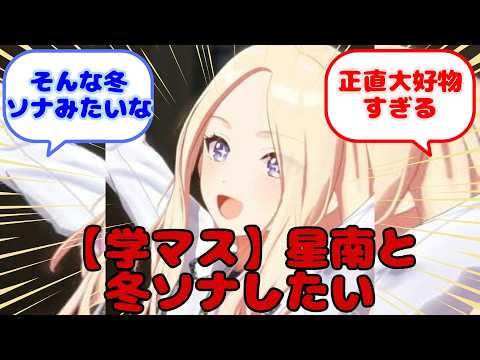
A viral phenomenon has emerged in the gaming community around Gakumas’ character Hoshina, with players expressing a desire to experience “Winter Sonata romance” within the game. This trend reflects a deeper shift in how modern players engage with character-driven narratives and reveals the maturing sophistication of contemporary game design.
What Happened
Players of Gakumas, a popular mobile game, have begun using the phrase “I want to experience Winter Sonata with Hoshina” to describe their emotional connection to the character. The phrase references the beloved 2000s Korean drama “Winter Sonata,” suggesting that Hoshina’s character arc and story design evoke the nostalgic romance and emotional depth of that era’s romantic storytelling. The phenomenon has gained significant traction on social media platforms including Twitter and YouTube, with players sharing their emotional responses to the character’s narrative arc.
Why It Matters
This phenomenon represents a significant evolution in player engagement with video game narratives. Rather than simple character appreciation, players are seeking meaningful emotional experiences that connect to their personal life experiences and nostalgia. The trend demonstrates how modern game developers are successfully blending nostalgic cultural elements with contemporary gaming mechanics to create deeper psychological resonance. This has implications for game design, marketing strategies, and our understanding of how players form attachments to digital characters.
Background
“Winter Sonata” was a massively popular Korean television drama that aired in the early 2000s, particularly resonating with Japanese female audiences. The series featured themes of bittersweet romance, missed connections, and fateful reunions. Over the past 15 years, the gaming industry has increasingly focused on character development and narrative depth as core selling points. The rise of character-driven mobile games has created a culture where players invest significant emotional and financial resources into their favorite characters—a phenomenon known as “oshi-activity” or fan support culture in Japanese gaming communities.
Key Points
- Character Design Excellence: Hoshina’s character combines visual appeal, voice acting, and narrative depth that collectively create strong emotional resonance with players
- Nostalgic Appeal: The character’s story structure deliberately incorporates elements reminiscent of early 2000s romantic drama, targeting players aged 30-40 who experienced that cultural moment
- Narrative Mechanics: The character’s story arc demonstrates growth, relatable conflict, and emotional authenticity that enables players to project their own life experiences onto the narrative
- Community Amplification: Social media discussion has accelerated the phenomenon, with the phrase “Winter Sonata romance” becoming a recognizable shorthand within gaming communities
- Psychological Projection: Players are not simply enjoying a character, but seeking to experience unfulfilled romantic narratives through the game medium
- Industry Trend: This represents a broader pattern in modern game design of deliberately incorporating cultural nostalgia as a core engagement mechanism
Perspectives
Positive Reception: On Twitter and YouTube, the majority of responses celebrate the character and express genuine emotional connection. Players report that Hoshina’s story has influenced their perspective on life and prompted them to begin playing the game specifically to experience her narrative arc.
Critical Concerns: Some voices in gaming forums have raised concerns about the intensity of character investment, questioning whether excessive “oshi-activity” represents unhealthy escapism or unsustainable consumer behavior. These critics worry about the balance between enjoying fictional narratives and maintaining engagement with real-world relationships and experiences.
Industry Perspective: Game developers appear to be deliberately engineering these emotional responses through careful attention to character design, voice acting quality, story pacing, and narrative structure. The success of Hoshina suggests that this approach is commercially viable and psychologically effective.
Comparative Analysis
Similar phenomena have emerged around other game characters in recent years. The character Uzuki Shimamura from “The Idolmaster: Cinderella Girls” generated sustained fan engagement over three years through themes of personal growth and authenticity. Saber (Artoria) from “Fate/Grand Order” has maintained deep player attachment for over five years. These cases suggest a clear correlation between character narrative depth, emotional authenticity, and sustained player engagement.
Insights
The “Winter Sonata romance” phenomenon signals the maturation of the gaming industry’s understanding of player psychology. Game creators have moved beyond simple character appeal to craft narratives that enable players to process personal experiences, fulfill emotional needs, and connect with cultural memories. This represents a sophisticated convergence of storytelling craft, psychological insight, and nostalgic marketing.
However, this trend also raises important questions about the relationship between virtual and real-world experiences. While character-driven narratives can provide meaningful emotional value, the intensity of modern fan engagement suggests a potential risk of substituting digital experiences for real human connection. The most responsible approach would involve game designers who maintain awareness of player psychological wellbeing while creating engaging narratives.
Looking forward, the success of characters like Hoshina will likely influence industry-wide game design priorities, with greater emphasis on narrative depth, character authenticity, and emotional resonance. The phenomenon demonstrates that modern players seek more than entertainment—they seek meaningful stories that reflect and enhance their own life experiences.