▶ Watch the original YouTube video
Why Dragon Ball Fans Think Burter Is All Talk: Sparkling Zero Reveals a Deeper Problem
The release of Dragon Ball Sparkling Zero has sparked widespread criticism of the character Burter, with players calling him “all talk” despite his claim to be the fastest being in the universe. This reaction reveals fundamental issues with how the latest Dragon Ball installments balance character claims against actual narrative performance and power scaling.
- What Happened
- Why It Matters
- Background
- Key Points
- Character Comparison: Burter vs. Similar Characters
- The Power Scaling Problem
- Game Development Challenges
- Fan Expectations vs. Production Intent
- Broader Implications for Dragon Ball Super
- How to Appreciate Burter Differently
- Online Reception and Community Response
- Insights and Lessons
What Happened
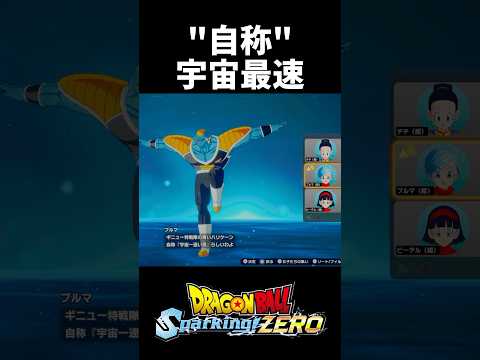
In Dragon Ball Sparkling Zero, the latest Dragon Ball fighting game, players have expressed significant disappointment with how the character Burter is portrayed. Despite being introduced as “the fastest being in the universe,” Burter is easily defeated by Goku in the game, leading to widespread online criticism. Comments from players range from calling him “just talk” to joking that “Goku could beat him running backwards.” This reaction has sparked broader discussion about how Dragon Ball’s production team evaluates and implements character strength.
Why It Matters
Burter’s reception in Sparkling Zero exposes a critical gap between character claims and narrative execution in modern Dragon Ball productions. This issue extends beyond a single character—it reflects systemic problems in how Dragon Ball Super handles power scaling, character development, and fan expectations. Understanding this gap is essential for fans who have invested years in the franchise and for developers creating new Dragon Ball content. The disconnect between what characters claim and what they actually demonstrate undermines narrative credibility and player engagement.
Background
Burter is a member of the Ginyu Force from Dragon Ball Z, serving as the unit’s speedster. He was reintroduced in Dragon Ball Super with the title “the fastest being in the universe.” However, his appearances in Dragon Ball Super are limited, and he is quickly defeated by Goku without demonstrating the overwhelming speed that his title suggests. The character’s treatment in Sparkling Zero—a comprehensive Dragon Ball game featuring hundreds of characters—has reignited debate about how legacy characters are handled in the modern era of Dragon Ball.
Dragon Ball has experienced rapid power scaling inflation since the start of Dragon Ball Super in 2015. Characters introduced in Dragon Ball Z now appear significantly weaker by comparison. Goku’s strength has increased exponentially, with new transformations and techniques introduced regularly. This creates a situation where older characters like Burter become relatively underpowered, regardless of their original narrative importance.
Key Points
- Burter claims to be “the fastest being in the universe” but is easily defeated by Goku in Sparkling Zero
- Players and fans describe Burter as “all talk” with insufficient power to back up his claims
- The gap between Burter’s stated abilities and demonstrated performance undermines his character credibility
- Dragon Ball Super’s rapid power scaling has made legacy characters like Burter appear relatively weak
- Game balance requirements and limited narrative focus on Burter contributed to his weak portrayal
- The disconnect reflects broader issues in how Dragon Ball Super manages character introductions and legacy character treatment
Character Comparison: Burter vs. Similar Characters
To understand why Burter’s reception is so negative, it helps to compare him with other Dragon Ball characters who make similar claims about their strength.
Ginyu: Burter’s commanding officer claims to be “the universe’s strongest warrior.” Unlike Burter, Ginyu demonstrates overwhelming power during his battles on Namek. His signature ability—body-switching—is showcased effectively and proves central to his character. Fans view Ginyu as a genuine threat because his claims are backed by demonstrated ability.
Beerus: The God of Destruction claims to be “the universe’s strongest.” Beerus consistently demonstrates this power throughout Dragon Ball Super. Multiple battle sequences establish his dominance, and his strength is never questioned by viewers. The production team prioritized showing Beerus’s power rather than simply stating it.
Burter: Despite claiming to be “the fastest being in the universe,” Burter receives minimal combat sequences. His speed is never convincingly demonstrated. He is defeated without showcasing the abilities that justify his title. Fans perceive him as weak because his narrative execution fails to support his claims.
| Character | Stated Title | Power Demonstration | Defeat Credibility | Fan Perception |
|---|---|---|---|---|
| Ginyu | Universe’s Strongest Warrior | Extensive (body-switching ability) | High | Formidable opponent |
| Beerus | Universe’s Strongest God | Extensive (multiple battles) | High | Ultimate powerhouse |
| Burter | Universe’s Fastest Being | Limited (few combat scenes) | Low | All talk, no substance |
The Power Scaling Problem
Dragon Ball Super has experienced exponential power scaling since 2015. Goku’s strength in Dragon Ball Z’s Cell Saga is incomparable to his current power level. By the time of the Dragon Ball Super movie “Super Hero” (2022), Goku had achieved new transformations and techniques that dwarf his previous capabilities.
This rapid inflation creates a fundamental problem: characters designed for Dragon Ball Z’s power system become obsolete in Dragon Ball Super’s timeline. Burter’s “fastest being in the universe” designation was meaningful in the Z era but loses significance when Goku can move at god-like speeds. The production team did not adequately address how legacy characters fit into the new power hierarchy.
The comment that “Goku could beat him running backwards” reflects this scaling disparity. It is hyperbolic but rooted in the genuine gap between Burter’s original strength level and current Goku’s capabilities. This gap was never narratively bridged, leaving Burter stranded in a power system that has moved far beyond him.
Game Development Challenges
Sparkling Zero is a massive undertaking, featuring hundreds of Dragon Ball characters. Balancing such a large roster while maintaining narrative accuracy presents significant challenges. Game developers must decide how to implement characters whose original strength contradicts current power scaling.
For Burter, the developers faced a dilemma: implement him as “the fastest being in the universe” (which would contradict Dragon Ball Super’s narrative) or implement him as a weak character (which contradicts his title). The chosen solution—making him weak—satisfied narrative consistency but disappointed players expecting a character whose title suggests genuine power.
This represents a systemic issue in Dragon Ball game development. When character rosters grow too large, individual character depth suffers. Legacy characters receive less attention and development than newer characters, resulting in implementations that feel rushed or incomplete.
Fan Expectations vs. Production Intent
The negative reaction to Burter stems from a mismatch between what fans expected and what the production team delivered. Fans saw the title “fastest being in the universe” and anticipated a character with impressive speed-based combat abilities. Instead, they encountered a weak character easily defeated by Goku.
This expectation gap could have been managed differently. If the production team had clearly established Burter as a weak or mid-tier character from the start, the reaction would likely be less severe. However, by assigning him a grandiose title without demonstrating the power to support it, the team inadvertently set up false expectations.
Online reactions reveal this disappointment clearly. Twitter comments include “Tried using Burter, but he’s really just all talk” and “Where is the ‘fastest in the universe’ part?” YouTube gameplay videos feature similar sentiments. These comments are not merely criticism—they represent unmet expectations and lost engagement opportunities.
Broader Implications for Dragon Ball Super
Burter’s treatment reflects larger structural problems in Dragon Ball Super’s approach to character management. The series introduced numerous new characters while struggling to maintain narrative depth for legacy characters. This created situations where established characters receive insufficient development and explanation for their current power levels.
The character Zamasu provides a useful contrast. Though ultimately defeated, Zamasu received extensive philosophical and narrative development. His defeat felt meaningful because the production team invested in his character arc. Burter, by comparison, received minimal narrative focus and development, resulting in a defeat that feels hollow and unconvincing.
This pattern suggests that Dragon Ball Super’s production team prioritizes introducing new characters and concepts over developing existing ones. While this approach generates novelty, it undermines narrative consistency and character credibility. Fans notice these gaps and express frustration through criticism of characters like Burter.
How to Appreciate Burter Differently
Despite widespread criticism, alternative perspectives on Burter exist. Fans can engage with the character more positively by reframing their expectations.
View him as overconfident: Rather than seeing Burter as genuinely powerful, interpret him as a character whose self-assessment exceeds his actual abilities. This character archetype appears throughout anime and provides interesting psychological depth. Burter becomes a study in overconfidence rather than a failed powerhouse.
Use him as a power measurement tool: When playing Sparkling Zero, use Burter battles to gauge Goku’s strength. His weakness becomes a useful reference point for understanding protagonist power levels rather than a character flaw.
Revisit the Ginyu Force arc: Watch Dragon Ball Z episodes 77-83 featuring the Ginyu Force. Understanding Burter’s original context and power level provides perspective on his current situation and explains the gap between his past and present portrayal.
Compare across eras: Watch Dragon Ball Super movies like “Broly” (2018) to see how legacy characters are handled in modern Dragon Ball. This comparison clarifies Burter’s position within the current timeline and power system.
Online Reception and Community Response
Sparkling Zero’s release generated diverse reactions to Burter across social media platforms. Twitter responses lean heavily negative, with players expressing disappointment at his weakness. YouTube gameplay videos feature similar criticism in comment sections, with viewers noting that Burter cannot compete with current-era characters.
However, minority opinions exist. Some fans argue that Burter’s weak implementation is faithful to Dragon Ball Super’s narrative, where he is defeated without significant struggle. These defenders view accurate narrative representation as more important than gameplay balance or fan satisfaction.
This diversity of opinion reflects broader disagreement within the Dragon Ball community about what constitutes good character implementation. Some prioritize narrative accuracy; others prioritize gameplay viability and fan expectations. Burter’s case highlights this fundamental tension in game development.
Insights and Lessons
Burter’s reception in Sparkling Zero teaches several important lessons about character design and fan engagement. First, character credibility depends on balancing stated abilities with demonstrated performance. When this balance breaks down, audiences lose faith in the character and the narrative.
Second, power scaling inflation creates inevitable problems for legacy characters. As new characters and power levels are introduced, older characters become relatively weaker. Production teams must actively manage this transition through narrative explanation or deliberate power adjustments. Failing to do so leaves legacy characters stranded and unconvincing.
Third, fan expectations require active management. Assigning a character a grandiose title without delivering corresponding power creates disappointment. Clear communication about character positioning could prevent such mismatches.
Finally, Burter’s case demonstrates that Dragon Ball Super’s rapid expansion has created quality control issues. As the franchise introduces more characters and concepts, individual character depth suffers. The production team must balance novelty with narrative consistency to maintain fan engagement and story credibility.
Despite these challenges, Burter’s prominence in fan discussion reflects the deep affection audiences hold for Dragon Ball. The criticism is not malicious—it stems from genuine investment in the franchise’s quality and consistency. This engagement represents an opportunity for future Dragon Ball productions to learn from Burter’s missteps and implement more thoughtful character management strategies.