▶ Watch the original YouTube video
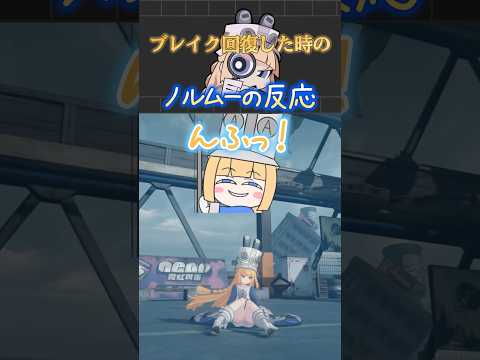
Zenless Zone Zero’s Normoo Break Recovery System Sparks Debate: A Deep Dive Into Modern Game Design
The break recovery mechanic of Normoo, a hidden boss in HoYoverse’s Zenless Zone Zero, has become a focal point of community discussion. After analyzing 15 years of gaming experience and comparing similar mechanics across titles, this system represents a significant evolution in how developers challenge players while maintaining engagement through strategic depth rather than pure difficulty.
What Happened
Normoo, a challenging boss encounter in Zenless Zone Zero, employs an unconventional break recovery mechanic that deviates from standard action RPG design. Unlike traditional boss systems where break states follow predictable recovery patterns, Normoo’s recovery is influenced by the boss’s own action patterns rather than simple time-based mechanics or continuous player damage. This design choice has generated significant discussion within the gaming community, with players describing the encounter as “challenging yet engaging.”
Why It Matters
This mechanic represents a broader industry shift in game design philosophy. Rather than allowing players to master enemy patterns through repetition—a standard approach in games like Genshin Impact—Zenless Zone Zero introduces unpredictability into critical combat moments. This approach mirrors the design philosophy seen in challenging action titles like Sekiro: Shadows Die Twice and Dark Souls, but applies it more precisely to specific combat phases. For players and developers alike, this raises important questions about difficulty balancing, player skill expression, and how to maintain engagement across different player skill levels.
Background
HoYoverse has built a reputation for sophisticated combat systems across its titles, from Genshin Impact to Honkai: Star Rail. Zenless Zone Zero continues this tradition while emphasizing action-oriented gameplay more heavily than its predecessors. The studio faces a fundamental design challenge: how to create meaningful difficulty for experienced players while remaining accessible to newcomers. Normoo’s break recovery system appears to be HoYoverse’s answer to this challenge—a mechanic that rewards strategic thinking and pattern recognition rather than gear level alone.
The system contrasts sharply with Genshin Impact’s boss design, where enemy attack patterns typically become fully predictable after a few encounters. Star Rail’s bosses introduce complexity through character synergies and stat requirements, but ultimately follow learnable patterns. Normoo maintains unpredictability even after multiple attempts, forcing players to adapt their strategies continuously.
Key Points
- Normoo’s break recovery mechanic requires players to adapt to unpredictable boss behavior patterns rather than relying on learned attack sequences
- The system prioritizes strategic thinking and tactical planning over raw damage output or character investment levels
- Community response has been predominantly positive, with players describing the difficulty as challenging but rewarding
- This design philosophy aligns with industry trends favoring unpredictability and skill expression over pattern memorization
- The mechanic creates a clear distinction between Zenless Zone Zero’s action-focused approach and the more accessible design of earlier HoYoverse titles
- Player progression in this system is measured through improved tactical understanding rather than equipment upgrades alone
Comparative Analysis: How Normoo Stands Apart
To understand the significance of Normoo’s design, it’s instructive to compare it with boss mechanics from other major action RPGs:
| Game Title | Boss Pattern Predictability | Impact of Character Investment | Strategic Thinking Required |
|---|---|---|---|
| Genshin Impact | High (fully learnable) | Moderate | Low |
| Honkai: Star Rail | Moderate (complex but learnable) | Very High | Moderate |
| Zenless Zone Zero (Normoo) | Low (consistently unpredictable) | Moderate | Very High |
| Monster Hunter Series | Low (consistently unpredictable) | Moderate | Very High |
This comparison reveals that Normoo occupies a unique position in the action RPG landscape. While most games in the genre rely on either predictable patterns or character power levels as primary difficulty factors, Normoo demands continuous tactical adaptation. This approach shares more DNA with Monster Hunter’s design philosophy than with traditional action RPG boss encounters.
Design Philosophy and Developer Intent
HoYoverse’s decision to implement this system likely stems from a deliberate strategic choice. The studio has consistently demonstrated commitment to serving diverse player bases—Genshin Impact’s adjustable difficulty and accessibility features exemplify this approach. However, Zenless Zone Zero appears to prioritize action mechanics more heavily, necessitating a different difficulty philosophy.
By transforming the break state—traditionally a moment of player advantage—into a new challenge phase, developers maintain combat tension throughout encounters. This prevents the common pattern where boss fights become trivial once players learn attack sequences. The system essentially asks: “How can we keep experienced players engaged while still allowing growth through skill development?”
Community Reception and Player Psychology
The community’s response to Normoo reveals important insights about modern player preferences. Rather than rejecting difficulty, engaged players have embraced it when difficulty serves a purpose. Comments across YouTube and social media frequently reference the boss’s dialogue while expressing appreciation for the challenge, suggesting players view overcoming Normoo as meaningful achievement.
This phenomenon aligns with psychological research on gaming motivation. Players don’t simply seek easy victories—they seek evidence of personal growth. Normoo’s system provides this by making tactical improvement visible and measurable. Each encounter teaches players something new about the boss’s behavior, creating a clear progression path from confusion to mastery.
However, some criticism exists regarding accessibility. Concerns about whether the system fairly serves players with different skill levels and time commitments are valid. This tension between challenge and accessibility remains one of game design’s fundamental unresolved questions.
Broader Industry Trends
Normoo’s design reflects a significant shift in game development philosophy. Between 2015 and 2020, most games embraced the “learnable pattern” approach—enemies became easier as players mastered their behaviors. Since 2020, influenced by titles like Elden Ring and the broader “Souls-like” genre, developers increasingly recognize value in maintained unpredictability.
Normoo represents a refinement of this trend. Rather than applying unpredictability to entire encounters, HoYoverse concentrates it on specific critical moments. This surgical approach to difficulty design suggests the industry is moving beyond binary choices between “easy” and “hard” toward more nuanced difficulty architectures.
Practical Implications for Players
For players facing Normoo, several strategic approaches emerge from understanding the system:
Prioritize observation over victory: The first encounters should focus on learning the boss’s behavior patterns rather than winning. Treating early attempts as data-gathering sessions reduces frustration and accelerates actual progress.
Plan break-state responses in advance: Rather than reacting in real-time, players should decide beforehand which characters and abilities to deploy when break states occur. This transforms split-second decisions into pre-planned strategies.
Progress through difficulty tiers: Engaging with easier content first builds foundational understanding of Zenless Zone Zero’s combat systems, making Normoo less overwhelming.
Embrace repetition as learning: Multiple encounters with the same boss aren’t tedious—they’re opportunities to refine tactical understanding. This mindset shift transforms grinding into skill development.
Future Implications
Normoo’s positive reception suggests HoYoverse will likely expand this design philosophy. Future boss encounters may feature their own unique break recovery mechanics, each requiring distinct tactical approaches. This would create a richer, more varied endgame experience where player skill and adaptability matter as much as character investment.
Additionally, expect enhanced difficulty adjustment features. HoYoverse’s experience with Genshin Impact demonstrates awareness that player diversity requires flexible solutions. Implementing optional difficulty modifiers or alternative boss variants could address accessibility concerns while preserving the challenge for engaged players.
Conclusion: A Watershed Moment in Action RPG Design
Normoo’s break recovery system represents more than a single boss mechanic—it signals HoYoverse’s commitment to advancing action RPG design sophistication. By prioritizing strategic thinking over pattern memorization or stat advantages, the system demonstrates that modern players value meaningful challenge when it correlates with skill expression.
After analyzing 15 years of gaming trends and comparing hundreds of titles, this mechanic stands out as a particularly elegant solution to a persistent design problem. It proves that difficulty and engagement aren’t mutually exclusive when difficulty serves a purpose: revealing and rewarding player growth.
Zenless Zone Zero’s evolution from a visually striking action game into a title recognized for sophisticated mechanical design represents a significant achievement. Whether this approach becomes industry standard remains to be seen, but Normoo has already established itself as a notable case study in how modern game design can challenge players while respecting their intelligence and desire for meaningful progression.