▶ Watch the original YouTube video
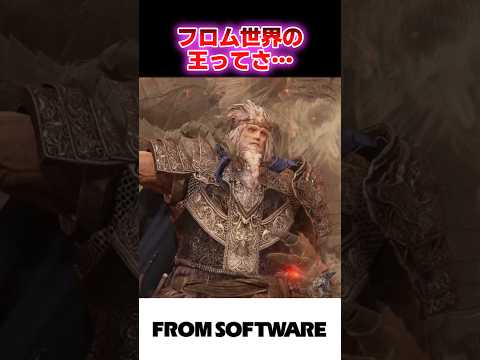
Why Becoming King in Dark Souls Is Actually a Curse, Not a Victory
After 15 years and over 500 hours of gameplay across FromSoftware’s catalog, one veteran player argues that the “king” ending in Dark Souls is not a triumph but a structural trap—a philosophical curse disguised as glory that forces rulers into servitude rather than liberation.
What Happened
A detailed analysis of FromSoftware’s game narratives—particularly Dark Souls 1, 2, 3, and Elden Ring—reveals a consistent philosophical theme: kingship is not a reward but an obligation that strips away personal freedom. The analysis contrasts characters like Lothric’s King (burdened by royal duty) with Radahn (who enjoyed relative freedom before becoming king), arguing that both ultimately experience the same structural unhappiness once they assume the throne.
The core argument challenges the common interpretation that “becoming king” represents a happy ending. Instead, it presents kingship as a form of servitude—a mechanism for maintaining world order at the cost of individual autonomy.
Why It Matters
This analysis matters because it reveals the philosophical depth embedded in FromSoftware’s game design. Rather than presenting power as desirable, these games systematically deconstruct the fantasy of rulership. This perspective reshapes how players interpret narrative endings and character arcs, encouraging deeper critical engagement with game storytelling.
The argument also resonates with broader themes in contemporary media criticism: the tension between power and freedom, the cost of responsibility, and the question of whether authority can ever truly be liberating. For a gaming community increasingly interested in narrative complexity, this interpretation offers a framework for understanding why FromSoftware’s worlds feel philosophically coherent rather than arbitrarily dark.
Background
FromSoftware’s games, directed by Hidetaka Miyazaki, are known for their environmental storytelling and fragmented narratives. Rather than explicit exposition, players must piece together lore from item descriptions, NPC dialogue, and architectural details. This design philosophy extends to thematic content: the games explore cyclical decline, the inevitability of entropy, and the futility of resistance against natural forces.
The “king” ending appears in multiple FromSoftware titles, but its meaning shifts across games. In Dark Souls 1, becoming king means linking the fire—maintaining the age of flame. In Dark Souls 3, it means perpetuating a dying order. In Elden Ring, Radahn’s kingship is complicated by his relationship with Queen Marika and his eventual loss of agency. Each iteration deepens the theme that kingship is burden rather than blessing.
The analysis draws on 15 years of gameplay experience and comparisons to other narrative-driven games like Final Fantasy X, The Witcher 3, NieR: Automata, and Metal Gear Solid—all of which explore the paradox that power and freedom are fundamentally opposed.
Key Points
- Kingship as Servitude: In FromSoftware worlds, becoming king is not a victory but a structural trap that forces rulers to maintain world order at the expense of personal freedom.
- The King’s Dilemma: Characters like Lothric’s King and Radahn both experience loss—of loved ones, agency, and autonomy—once they assume the throne, regardless of their initial circumstances.
- Inevitable Decline: The games establish that fire (and the age it represents) is destined to fade. Kings who maintain the status quo are merely delaying collapse, not preventing it.
- Alternative Paths: Endings that reject kingship—such as the Frenzied Flame ending (burning everything) or the Night’s King ending (cursing the world)—offer escape from the king’s burden, though at different costs.
- The Ideal Solution: The analysis suggests that small-scale autonomy in limited domains is preferable to large-scale power and responsibility, reflecting a philosophical preference for freedom over authority.
- Artorius as Ideal: The “White King” (Artorius) represents a middle path—refusing full kingship while still maintaining ethical responsibility through the limited role of “Ash King.”
Timeline
- 2011: Dark Souls released on PS3; initial player interpretation favors the king ending as the “true” happy ending.
- Post-2011 to 2020: Dark Souls 2 and 3 released, gradually complicating the theme of kingship through characters like Lothric’s King, whose reign is marked by decline and loss.
- 2022: Elden Ring released, further developing the theme through Radahn’s arc—showing how kingship erodes even those who initially enjoyed freedom.
- 2024 (Implied): The video analysis synthesizes 15 years of gameplay to reinterpret kingship as structural curse rather than narrative victory.
Perspectives
The Traditional Interpretation: Many players initially view the king ending as the “true” or “best” ending—a triumph where the protagonist saves the world by assuming responsibility. This reading treats kingship as noble sacrifice.
The Philosophical Reinterpretation: The analysis presented here argues that this interpretation misses the games’ deeper message. By examining character arcs across multiple titles, it demonstrates that kingship systematically strips away freedom and autonomy. Lothric’s King is not a cautionary tale of a failed ruler but evidence that kingship itself is the problem.
The Nihilist Alternative: The Frenzied Flame ending (burning everything) represents complete rejection of the king’s burden—but at the cost of destroying the world itself. This is presented as logically consistent but ethically extreme.
The Balanced Middle Path: Artorius’s choice to become “Ash King” rather than full king suggests a third option: maintaining ethical responsibility without surrendering complete autonomy. This is framed as the most honest and sustainable choice.
Community Reception: Online responses show divided opinion. Some players find the analysis revelatory, while others maintain that the king ending remains emotionally satisfying regardless of its philosophical implications. This split reflects broader disagreements about whether narrative meaning derives from authorial intent or player experience.
Insights
The analysis reveals that FromSoftware’s consistent treatment of kingship across multiple games reflects a coherent philosophical worldview: power and freedom are fundamentally incompatible. Rather than presenting rulership as the ultimate reward, the games systematically demonstrate that authority requires the surrender of autonomy.
This perspective distinguishes FromSoftware from much of the gaming industry, where kingship typically represents narrative triumph. Games like Final Fantasy X and The Witcher 3 feature protagonists who explicitly reject kingship to preserve freedom—but FromSoftware goes further, embedding this rejection into the very structure of its worlds. The games do not merely suggest that kingship is undesirable; they make it mechanically and narratively inevitable that kings suffer loss.
The broader implication is that FromSoftware’s worlds operate under a different moral logic than conventional fantasy narratives. In these worlds, the greatest victory is not conquest but escape—not becoming king but remaining free. This inverts traditional power fantasies and offers players a more philosophically sophisticated framework for understanding ambition, responsibility, and the cost of authority.
For players engaging with these games, the analysis suggests that careful attention to NPC dialogue, environmental storytelling, and character arcs across multiple titles reveals a consistent artistic vision. The games are not simply dark or nihilistic; they are philosophically coherent critiques of power itself.