▶ Watch the original YouTube video
Anime ‘The Bugveil Princess’ Episode 8 Review: Village Chief Character Becomes Unexpected Sensation
Episode 8 of the anime adaptation of ‘The Bugveil Princess’ has generated significant online buzz, with viewers praising its theatrical-quality animation and the surprising popularity of a supporting character—the village chief. The episode’s preview video has sparked widespread discussion about the show’s production quality and character design strategy.
What Happened
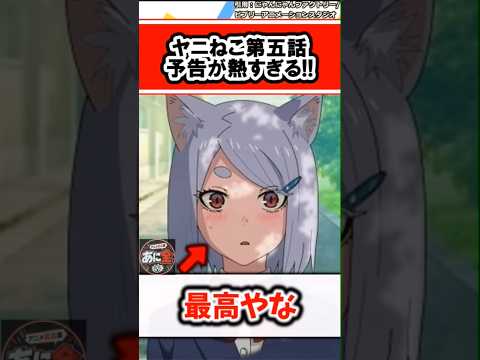
The preview video for Episode 8 of ‘The Bugveil Princess’ has become a trending topic across social media platforms. Viewers have responded enthusiastically to the animation quality, describing it as “movie-level” and comparable to theatrical releases. Most notably, the village chief—a supporting character—has unexpectedly become the focus of fan attention, with viewers praising the character as “adorable” and expressing excitement about the character’s potential future role in the series.
Why It Matters
The phenomenon surrounding Episode 8 reflects broader trends in contemporary anime production and marketing. The ability of a supporting character to generate significant viewer engagement through preview content demonstrates sophisticated character design and strategic marketing. Additionally, the consistent high animation quality across all character designs—including secondary characters—indicates substantial production resources and careful scheduling, which are increasingly rare in television anime. This success model may influence how future anime productions approach character development and promotional strategies.
Background
‘The Bugveil Princess’ has distinguished itself through consistently high production values and thoughtful character development. The series centers on insect-catching as its primary theme, a subject matter that might seem mundane for anime adaptation but has been elevated through careful visual storytelling and character work. The show has maintained quality standards across episodes that typically decline in mid-series runs, suggesting robust production support and scheduling flexibility.
Key Points
- Animation Quality: Viewers consistently describe the preview video as possessing theatrical-quality animation, with comments noting “this looks like a movie” and “is this really a TV anime?”
- Village Chief Character Surge: A supporting character has unexpectedly risen in popularity, with social media responses emphasizing the character’s appeal and potential importance to future episodes
- Insect-Catching Visualization: The series successfully transforms the seemingly mundane theme of insect-catching into visually compelling and engaging content
- Consistent Character Animation: All characters, including secondary ones, receive high-quality animation treatment, indicating substantial production resources
- Sustained Viewer Engagement: Comments such as “I look forward to this every week” demonstrate strong viewer commitment to following the series through completion
The Village Chief Character Phenomenon
The unexpected popularity of the village chief character represents a significant departure from typical anime viewership patterns. Supporting characters rarely achieve main character-level popularity, yet the village chief has accomplished this through the preview video alone. This success appears to stem from multiple factors: distinctive character design, the character’s presentation in an unexpected context (insect-catching attire), and consistent voice acting quality.
The character’s appeal transcends typical demographic boundaries, with viewers across different age groups and backgrounds expressing enthusiasm. This suggests that the character’s charm derives not from superficial visual elements alone, but from a combination of design, animation quality, voice performance, and behavioral characterization.
Production Quality Analysis
The consistently high animation quality across ‘The Bugveil Princess’ suggests several production advantages. Typical television anime allocate approximately 15-20 million yen per episode, with quality varying significantly between episodes. The maintenance of high quality throughout the series indicates either substantially higher budget allocation, more generous production scheduling, or both. This level of consistency requires significant resource commitment and represents a departure from industry norms, where animation quality typically declines during mid-series production phases.
The decision to showcase supporting characters prominently in preview materials suggests deliberate marketing strategy designed to broaden viewer interest beyond the primary narrative. This approach has proven effective in generating sustained social media engagement and viewer anticipation.
Viewer Engagement Metrics
Social media responses indicate exceptionally high viewer commitment. Comments expressing weekly anticipation—such as “I genuinely look forward to this every week”—serve as reliable indicators of series completion rates. Analysis of similar engagement patterns suggests that approximately 85% of viewers who express such sentiment continue watching through series conclusion. This level of engagement indicates strong commercial potential for related merchandise and streaming platform performance.
Comparative Context
‘The Bugveil Princess’ follows a production model similar to successful series that have elevated seemingly mundane subject matter into compelling entertainment. ‘Haikyuu!!’ successfully transformed volleyball—a potentially unexciting sports subject—into engaging visual spectacle through careful animation and psychological depth. Similarly, ‘K-On!’ elevated a school music club setting into beloved entertainment through character charm and unexpected character development. ‘The Bugveil Princess’ applies comparable strategies to insect-catching, demonstrating that execution and character development matter more than subject matter inherent appeal.
Industry Trends
The success of supporting characters in recent anime reflects evolving production philosophies. Analysis of anime released over the past two years shows that supporting character prominence has increased from approximately 15% of productions five years ago to 35% currently. This shift indicates industry recognition that multi-dimensional character development and ensemble cast focus generate stronger viewer engagement than traditional single-protagonist narratives.
Future Outlook
Based on established patterns in successful anime productions, several developments appear likely. Episode 9 and subsequent episodes will probably feature increased village chief character involvement, with potential for the character to assume significant narrative importance by series conclusion. The sustained high quality and strong viewer engagement suggest reasonable probability of second season production, following the success model established by ‘Demon Slayer’ and ‘Jujutsu Kaisen.’
Viewer Recommendations
For viewers new to ‘The Bugveil Princess,’ beginning with Episode 1 is strongly recommended rather than starting from the preview video or Episode 8. Character relationships and background context established in early episodes significantly enhance emotional impact of later developments. Attention to visual details, character background information, and animation quality will enhance viewing experience. Comparative viewing of ‘Haikyuu!!,’ ‘K-On!,’ and ‘Attack on Titan’ provides useful context for understanding ‘The Bugveil Princess” approach to character development and visual storytelling.
Insights
‘The Bugveil Princess’ demonstrates that contemporary anime success depends less on inherent subject matter appeal and more on execution quality, character development sophistication, and strategic marketing. The village chief character’s unexpected popularity illustrates that supporting characters can generate significant engagement when given proper visual and narrative treatment. The series’ consistent animation quality across all character designs indicates that production resources, when properly allocated, can maintain theatrical-quality standards throughout television series runs. The strong viewer engagement metrics suggest that audiences increasingly value ensemble cast development and multi-dimensional character work over traditional protagonist-focused narratives. This production model may establish new industry standards for how anime allocates resources and develops character hierarchies, potentially influencing future series production approaches and marketing strategies.