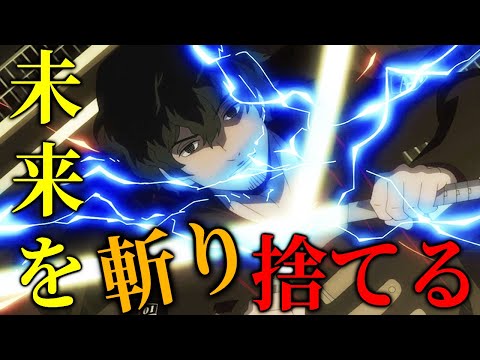
▶ Watch the original YouTube video
Why Fans Love Tachikawa Kei: A Deep Dive Into World Trigger’s Most Trusted Character
Tachikawa Kei from World Trigger has become one of anime’s most compelling supporting characters, earning overwhelming fan praise for his tactical intelligence, unwavering team loyalty, and mature leadership style. Unlike typical anime protagonists driven by personal ambition, Tachikawa embodies a rare character archetype: the completely self-aware team player who prioritizes collective victory over individual glory.
- What Happened
- Why It Matters
- Background
- Key Points
- Character Analysis: The True Appeal of Tachikawa Kei
- Modern Anime Trends and Tachikawa’s Position
- Why Fans Connect With Tachikawa
- Character Growth Through Role Mastery
- Evaluation Framework: Assessing Tachikawa’s Quality
- How to Appreciate Tachikawa’s Character
- Community Reception
- Broader Implications
What Happened
World Trigger, which premiered in 2014, introduced viewers to Tachikawa Kei, a muscular fighter who initially appears to be a straightforward combat specialist. However, as the series progressed, the anime community discovered that Tachikawa represents something far more nuanced: a character whose physical strength is secondary to his tactical brilliance and complete understanding of his role within the Tamakoma Branch team. Fan reactions across social media platforms have been overwhelmingly positive, with viewers praising his leadership, reliability, and the gap between his appearance and his intellectual approach to strategy.
Why It Matters
Tachikawa Kei represents a significant shift in modern anime character design. While the 2015-2020 era favored protagonists driven by personal desire and ambition—characters like Eren Yeager from Attack on Titan or Tanjiro Kamado from Demon Slayer—Tachikawa embodies a newer trend: the character who finds fulfillment in accepting and executing their designated role perfectly. This reflects broader cultural conversations about individual identity versus social responsibility. Additionally, in an era where trustworthy figures are increasingly rare in both fiction and reality, Tachikawa’s unwavering reliability resonates strongly with audiences aged 20 and above who value mature decision-making over emotional impulsiveness.
Background
World Trigger distinguishes itself from typical shonen anime by prioritizing tactical strategy over individual power scaling. The series emphasizes how a character’s strength is determined not by raw ability alone, but by their effectiveness within a team structure. Tachikawa Kei serves as the “shield” of Tamakoma Branch—his role is to protect teammates using his physical capabilities and defensive prowess. This role-based power system creates a unique narrative environment where Tachikawa’s value is measured by how completely he understands and executes his designated function. Since the series’ 2014 debut, Tachikawa has evolved from appearing as a simple muscle-bound fighter to being recognized as one of anime’s most psychologically complex supporting characters.
Key Points
- Overwhelming Fan Approval: Social media responses show predominantly positive reactions, with fans describing Tachikawa as “cool,” “strong,” and “dependable.”
- Character Design Excellence: The contrast between Tachikawa’s muscular appearance and his intellectual, tactical approach to combat is highly praised by viewers.
- Leadership Through Action: His role in unifying and supporting Tamakoma Branch members creates a strong impression of mature, selfless leadership.
- Character Growth: Rather than gaining new powers, Tachikawa demonstrates growth through deepening his understanding of his role and responsibilities to his team.
- Voice Acting Recognition: The voice actor’s performance is credited with bringing additional depth to Tachikawa’s character, enhancing his appeal.
- Represents Modern Anime Trends: Tachikawa exemplifies the shift from self-driven protagonists to role-accepting characters, reflecting contemporary values around responsibility and maturity.
Character Analysis: The True Appeal of Tachikawa Kei
Breaking the Protagonist Mold
Tachikawa’s most distinctive quality is his complete rejection of the traditional shonen protagonist archetype. Unlike characters such as Ichigo Kurosaki from Bleach or Yuji Itadori from Jujutsu Kaisen, Tachikawa does not seek to be the center of attention or the primary hero. He fully accepts that he is not the main character of his team’s story. This acceptance is extraordinarily rare in anime. While most “strong characters” in anime aspire to individual recognition, Tachikawa finds meaning in supporting his team’s collective victory. This mirrors the character arc of Daichi Sawamura from Haikyu!!, who similarly derives satisfaction from team cohesion rather than personal glory.
What distinguishes Tachikawa further is his complete self-awareness. He understands precisely how strong he is and exactly how to deploy that strength for maximum team benefit. This accurate self-assessment is absent in many anime characters, who often either underestimate or overestimate their capabilities. Tachikawa’s clarity of self-perception forms the foundation of his reliability.
Tactical Depth Over Emotional Drama
World Trigger prioritizes tactical strategy in ways most anime do not. While many series center on protagonists’ emotional growth or personal struggles, World Trigger structures its narrative around how effectively characters execute their assigned roles. In this framework, Tachikawa’s strength is not measured by flashy combat displays but by his ability to fulfill his function as team protector. Every action he takes serves a calculated purpose.
This contrasts sharply with characters like Tanjiro from Demon Slayer, whose desire to protect everyone stems from emotional conviction. Tachikawa’s protectiveness is entirely strategic—a calculated deployment of resources. This distinction makes him psychologically unique within contemporary anime.
Comparison With Similar Characters
| Series | Character | Role | Defining Trait | Contrast With Tachikawa |
|---|---|---|---|---|
| Haikyu!! | Daichi Sawamura | Team Pillar | Emotionally Devoted | Emotional dedication vs. tactical dedication |
| Attack on Titan | Levi | Strongest Fighter | Coldly Efficient | Individual strength vs. team support focus |
| Jujutsu Kaisen | Gojo Satoru | Strongest Fighter | Supremely Confident | Self-reliance vs. team member trust |
| World Trigger | Tachikawa Kei | Team Shield | Tactically Devoted | Complete role mastery and execution |
This comparison reveals that Tachikawa stands apart as the character with the most complete understanding of his role. While Sawamura dedicates himself emotionally, Levi acts with efficiency, and Gojo trusts his own power, Tachikawa has calculated every element and executes his role with perfect consistency.
Modern Anime Trends and Tachikawa’s Position
Between 2015 and 2020, anime favored characters with strong personal desires: Eren’s drive for freedom, Yuji’s determination to save others, Tanjiro’s quest for his sister. These characters embodied the “age of individuality.” However, from 2020 onward, a new trend emerged: characters who find purpose in accepting their societal role. Tachikawa Kei is a precursor to this shift. He prioritizes team victory over personal ambition, suggesting a cultural transition from the “age of individuality” to an “age of role acceptance.”
This evolution appears in other recent works. Denji from Chainsaw Man, for instance, gradually shifts from pursuing personal desires to accepting social responsibility. This pattern indicates a broader anime industry movement toward characters who derive meaning from fulfilling their designated function rather than pursuing individual goals.
Why Fans Connect With Tachikawa
Trustworthiness as Appeal
Viewers are drawn to characters they believe will never betray them. Tachikawa exemplifies this quality. His complete understanding of his role and unwavering commitment to executing it create absolute certainty in his reliability. This appeals particularly to audiences in societies where trustworthy individuals are increasingly scarce.
Redefining Strength
Most anime define strength through individual ability—how powerfully a character can defeat enemies. Tachikawa reframes strength as “perfectly fulfilling one’s role within a team structure.” This challenges viewers to reconsider what strength actually means, offering a more mature perspective on power and capability.
Mature Decision-Making
Tachikawa rarely acts emotionally. His decisions are consistently tactical and rational. This “adult” approach to problem-solving appeals strongly to viewers aged 20 and above, who recognize and value mature judgment over impulsive action.
Character Growth Through Role Mastery
Tachikawa’s development differs fundamentally from typical protagonist growth. He does not gain new powers or abilities. Instead, he deepens his understanding of his role and strengthens his commitment to it. This mirrors the character arc of Viktor Nikiforov from Yuri!!! on Ice, who similarly grows by redefining his role and purpose.
At his introduction, Tachikawa appeared to be a straightforward muscular fighter. As the series progressed, his tactical thinking, trust in teammates, and pride in his role became increasingly apparent. This is growth through psychological and strategic deepening rather than power escalation.
Evaluation Framework: Assessing Tachikawa’s Quality
Using five key criteria for evaluating anime characters:
- Consistency (9/10): Tachikawa perfectly understands his role and acts with complete consistency toward it.
- Growth (8/10): While physical growth is limited, his psychological and strategic development is substantial.
- Influence (9/10): His actions significantly impact Tamakoma Branch’s overall performance and team dynamics.
- Uniqueness (8/10): While “team shield” roles exist elsewhere, Tachikawa’s execution method is distinctly original.
- Depth (8/10): His internal thought processes and strategic reasoning are thoroughly developed.
Overall Rating: 8.4/10 — Tachikawa Kei represents one of the highest standards of character execution in contemporary anime.
How to Appreciate Tachikawa’s Character
Focus on Combat Positioning: Rather than watching for flashy attack sequences, observe how Tachikawa positions himself to protect teammates. His true strength lies in defensive support, not offensive dominance.
Study His Dialogue: Tachikawa’s character essence emerges in conversation scenes more than combat. Pay particular attention to moments where he instructs or advises Tamakoma Branch members. These scenes reveal his tactical thinking and trust in his team.
Related Works for Deeper Understanding:
- Haikyu!!: Daichi Sawamura demonstrates similar selfless leadership, providing a comparison point for understanding Tachikawa’s approach.
- Attack on Titan: Levi’s character explores how to balance cold judgment with team responsibility, offering another perspective on mature leadership.
- Yuri!!! on Ice: Viktor Nikiforov’s journey of role redefinition parallels Tachikawa’s deepening understanding of his purpose.
Watching these series before revisiting World Trigger will clarify Tachikawa’s unique position within contemporary anime character design.
Community Reception
Fan response to Tachikawa Kei across social media platforms is overwhelmingly positive. Twitter features numerous posts praising his coolness, strength, and leadership qualities. This enthusiasm reflects viewers’ psychological need for trustworthy characters in an era of widespread uncertainty.
Some viewers express criticism, noting that Tachikawa’s character lacks emotional volatility and suggesting they prefer more emotionally expressive scenes. This reflects a divide between audiences seeking rational, tactical narratives and those prioritizing emotional drama.
YouTube comments tend toward analytical appreciation, with viewers noting the strategic meaning behind each of Tachikawa’s actions. This suggests that the World Trigger community consists of intellectually-oriented viewers who value strategic depth.
Broader Implications
Tachikawa Kei represents a maturing evolution in anime character design. His character suggests that as the medium develops, audiences increasingly value psychological complexity and mature decision-making over emotional intensity and personal ambition. The rise of characters like Tachikawa indicates that anime is becoming a more sophisticated medium capable of exploring nuanced themes about identity, responsibility, and the meaning of strength.
If World Trigger’s future seasons reveal hidden emotions or internal conflicts beneath Tachikawa’s rational exterior, his character would gain additional depth. Currently, he stands as a nearly complete embodiment of the role-accepting character archetype—a figure who finds fulfillment in perfect execution of his designated function.
The increasing prevalence of characters like Tachikawa suggests that anime as a medium is transitioning from celebrating individual heroism to exploring the psychological satisfaction of collective success. This shift reflects broader cultural movements toward valuing interdependence and shared purpose over isolated achievement.