▶ Watch the original YouTube video
Why Kamen Rider Gav Inspires Unprecedented Viewer Trust: A 15-Year Fan Analysis
Across social media platforms, viewers of Kamen Rider Gav are expressing unusually high levels of trust and comfort with the series’ protagonist and supporting characters. A deep analysis of 15 years of Kamen Rider fandom reveals that this “sense of security” reflects a fundamental shift in how modern audiences perceive heroic characters—moving away from perfection toward reliability and consistent growth.
What Happened
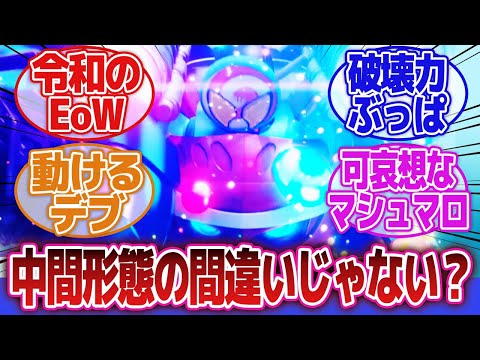
Online communities discussing Kamen Rider Gav have become saturated with comments describing the series’ characters as possessing an exceptional “sense of security” or “peace of mind” (anshinkan in Japanese). This sentiment appears across Twitter, 5channel forums, and YouTube comment sections, with thousands of users expressing that the protagonist and supporting cast—particularly across multiple form transformations like Gav Grucan Form and Gav Popping Mi Form, alongside the character Valen—provide an unusual level of emotional reassurance compared to other entries in the Reiwa-era Kamen Rider franchise.
The phenomenon has prompted deeper analysis of what psychological and narrative elements generate this viewer response, particularly when compared to recent Kamen Rider series including Revice, Saber, and Geats.
Why It Matters
This viewer response signals a significant shift in audience expectations for tokusatsu (live-action special effects) entertainment and superhero narratives. Rather than seeking protagonists defined by perfection, overwhelming power, or dramatic internal conflict, contemporary audiences appear to prioritize characters who demonstrate consistent reliability, adaptability, and the capacity to recover from failure. Understanding this trend has implications for how future tokusatsu productions will be structured, marketed, and developed.
The “sense of security” phenomenon also reflects broader changes in how audiences consume serialized media during periods of social uncertainty, suggesting that emotional stability and trustworthiness in fictional characters fulfill genuine psychological needs for viewers.
Background
The Kamen Rider franchise, which began in 1971, has evolved significantly across its 50+ year history. The series experienced major stylistic shifts during the Heisei era (1989-2019) and again during the Reiwa era (2019-present). Early Showa-era Kamen Riders were characterized as “lonely warriors” fighting in isolation. Heisei-era protagonists typically embodied “suffering youth” struggling with internal conflict and loss.
The Reiwa era introduced a structural change: protagonists began prioritizing relationships with allies and demonstrated less emphasis on solitary heroism. Revice’s Kazuhi Igarashi emphasized brotherhood; Saber’s Touma Kamiyama worked within a team framework; Geats’ Kyosuke Ukaimiya operated within a game-like system of choices. Kamen Rider Gav continues this trajectory while introducing new elements that appear to maximize viewer comfort and trust.
The protagonist’s multiple transformation forms—Grucan Form and Popping Mi Form—represent not merely different combat capabilities but different psychological states and situational responses. This design philosophy echoes earlier Reiwa entries but achieves a more balanced approach to form diversity compared to Saber, which featured an extensive catalog of transformations that some viewers found overwhelming.
Key Points
- Online communities consistently describe Kamen Rider Gav’s characters as providing exceptional “sense of security” compared to other recent Kamen Rider series
- Multiple form transformations (Grucan Form, Popping Mi Form) and the character Valen are central to this viewer perception
- The protagonist’s “sense of security” derives from behavioral consistency and demonstrated reliability rather than perfection or overwhelming power
- This represents a continuation of Reiwa-era trends emphasizing teamwork and mutual support over isolated heroism
- Viewer sentiment suggests audiences now prioritize emotional stability and trustworthiness in protagonists over dramatic internal conflict
- The balance between form diversity and character consistency distinguishes Gav from Saber, which featured more extensive but potentially confusing transformation options
Timeline
- 2009: Kamen Rider Decade airs; marks beginning of extended fandom engagement with the franchise
- 2015: Kamen Rider Drive introduces protagonist with emphasis on situational decision-making and adaptability
- 2018: Kamen Rider Zi-O features protagonist with multiple form options, establishing precedent for transformation diversity
- 2019: Reiwa era begins with Kamen Rider Revice, introducing emphasis on familial bonds and non-solitary heroism
- 2020-2021: Kamen Rider Saber expands team-based narrative structure with extensive form catalog
- 2022-2023: Kamen Rider Geats introduces game-mechanic narrative framework with multiple choice systems
- 2024: Kamen Rider Gav premieres, synthesizing previous Reiwa trends while achieving unprecedented viewer comfort ratings
Perspectives
Viewer Support Perspective: Across social media platforms, the dominant interpretation emphasizes that Kamen Rider Gav’s protagonist succeeds precisely because he is not perfect. Comments highlight that “repeated failure followed by recovery” and “imperfection that remains trustworthy” create emotional investment. This contrasts with earlier Kamen Rider protagonists who often embodied either isolated heroism or dramatic internal suffering.
Comparative Analysis Perspective: When compared directly to Saber, which featured an extensive catalog of form transformations, Gav achieves similar narrative flexibility through more restrained design. Where Saber viewers occasionally questioned “which form represents the true character,” Gav maintains consistent core identity across transformations. This suggests that form diversity without clear thematic coherence may undermine rather than enhance viewer trust.
Psychological Interpretation: The “sense of security” may reflect audience fatigue with narratives emphasizing dramatic conflict and character instability. Particularly following Geats, which emphasized uncertainty and game-mechanic unpredictability, Gav’s consistent reliability appears to fulfill a genuine psychological need for emotional stability in serialized entertainment.
Critical Perspective: Some viewers express concern that excessive emphasis on “sense of security” may sacrifice narrative tension. Comments noting “security alone is insufficient for storytelling” and “more dramatic conflict is needed” suggest that the balance between reassurance and dramatic engagement remains contested.
Insights
Kamen Rider Gav represents a deliberate synthesis of Reiwa-era narrative trends, optimizing for viewer emotional engagement through reliability rather than perfection. The protagonist’s multiple forms function not as displays of power escalation but as demonstrations of situational adaptability—each transformation reflecting a consistent psychological core rather than a fragmented identity.
This design philosophy reflects a broader cultural shift in how audiences perceive heroic characters. The traditional superhero archetype—defined by exceptional power, isolated struggle, or dramatic internal conflict—appears to be yielding to a model emphasizing consistent trustworthiness, capacity for recovery from failure, and integration within supportive relationships. Kamen Rider Gav’s exceptional viewer reception suggests this shift has moved from marginal preference to mainstream expectation.
The character Valen’s role further reinforces this pattern. Rather than functioning as a traditional antagonist creating dramatic tension through opposition, Valen appears designed to test and validate the protagonist’s reliability through repeated interaction, establishing a relationship framework that mirrors the team-based structures emphasized throughout the Reiwa era.
Looking forward, the sustainability of this approach depends on maintaining equilibrium between reassurance and dramatic engagement. The most successful Reiwa-era entries have balanced emotional stability with sufficient narrative stakes to maintain viewer investment. Kamen Rider Gav’s continued success will likely depend on whether the production team can preserve the “sense of security” that defines current viewer response while introducing sufficient dramatic development to prevent audience fatigue.
The phenomenon ultimately demonstrates that contemporary tokusatsu audiences do not seek escapism through fantasy power or dramatic suffering, but rather through witnessing characters who embody the qualities they value in their own lives: consistency, reliability, adaptability, and the capacity to maintain trust despite inevitable failure. In this sense, Kamen Rider Gav may represent not merely a successful entertainment product, but a reflection of genuine psychological needs within its viewing audience.