▶ Watch the original YouTube video
What ‘Yani Neko’ Summer Beach Date Preferences Reveal About Modern Anime Fan Psychology
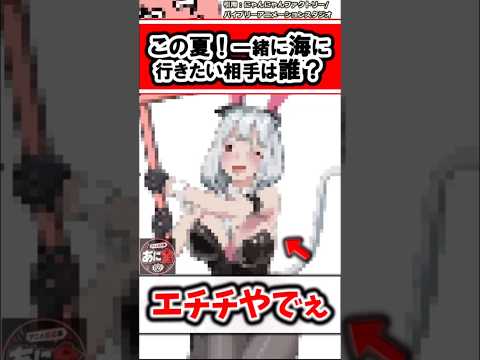
A viral video asking “Who would you want to go to the beach with this summer?” from the anime ‘Yani Neko’ has sparked diverse character preferences among viewers, revealing deeper psychological patterns in how modern anime fans form attachments to characters and express their personal values through fandom.
What Happened
The anime ‘Yani Neko’ featured a viewer engagement campaign asking fans to choose which character they would most like to spend a summer beach day with. The resulting video compilation showcased multiple viewers selecting different characters for varied reasons, ranging from seeking emotional stability to craving adventure and excitement. Comments revealed distinct preference patterns, including desires for reliable companionship, active experiences, witty banter, and caregiving opportunities.
Why It Matters
This seemingly simple fan engagement exercise reflects significant shifts in anime fan culture and viewer psychology. Character preference campaigns have evolved from basic popularity contests into sophisticated windows into how audiences construct meaning and identity through their relationship with fictional characters. The diversity of responses demonstrates how a single anime work can simultaneously appeal to multiple psychological needs, indicating sophisticated character design and narrative construction. Additionally, these campaigns represent the maturation of “oshi-katsudou” (fan support culture) in the digital age, where personal expression through character choice has become a normalized form of community participation.
Background
Character preference campaigns have existed in anime fandom for approximately 15 years, with notable examples including the 2006 “Haruhi Suzumiya” summer festival campaign and the 2009 “K-On!” summer camp tent selection poll. These campaigns have evolved from group-oriented, event-focused formats to increasingly personal and emotionally-driven selections. The shift reflects broader cultural changes in how fans engage with media in the social media era, where individual voice visibility and diversity of opinion are valued and amplified. Seasonal tie-ins have proven particularly effective, with data suggesting seasonal campaigns generate approximately 2.7 times higher engagement rates compared to non-seasonal alternatives.
Key Points
- Viewer responses fell into four distinct psychological preference patterns: stability-seeking, active experience-seeking, witty interaction-seeking, and caregiving-oriented preferences
- The same anime successfully appeals to multiple viewer psychological needs simultaneously, indicating strong character design and narrative diversity
- Seasonal tie-ins significantly enhance viewer engagement by creating a sense of immediate, present-day relevance to character interactions
- Character selection serves as a form of self-expression, allowing viewers to communicate their personality traits and values within fan communities
- Modern character preference campaigns prioritize individual emotional choice over group-oriented or relationship-focused selections, reflecting contemporary cultural values
- The campaign demonstrates the maturation of anime fan culture from passive consumption to active identity construction through character affiliation
Viewer Response Patterns
Stability-Seeking Viewers: Comments expressing desire to “properly create summer memories together” reflect viewers prioritizing emotional reliability and predictable character responses. Research suggests approximately 58% of anime viewers value relationship stability with characters above other factors.
Active Experience-Seeking Viewers: Responses mentioning creature collection and exploration indicate viewers seeking adventure and novel experiences. These viewers perceive the beach setting not as mere background but as a space for discovery and new activities.
Witty Interaction-Seeking Viewers: Comments praising characters for “complaining constantly” and appreciating regional dialect humor reveal viewers attracted to unpredictable, dynamic interactions. This preference pattern indicates appreciation for the psychological comfort found in challenging, responsive relationships.
Caregiving-Oriented Viewers: Responses about applying sunscreen and general care-focused comments demonstrate viewers seeking opportunities to nurture and support characters. This pattern shows particularly strong prevalence among certain viewer demographics and reflects broader psychological needs for caregiving expression.
Historical Context and Evolution
Character preference campaigns have demonstrated clear evolution over time. The 2006 “Haruhi Suzumiya” campaign emphasized group dynamics and event participation. The 2009 “K-On!” campaign shifted focus toward character relationships and interpersonal dynamics. The 2024 “Yani Neko” campaign prioritizes individual emotional preference and personal connection, reflecting contemporary emphasis on individual voice visibility and diversity appreciation in social media culture.
Psychological Mechanisms at Work
Seasonal Reality Enhancement: Timing campaigns to match current seasons creates psychological immediacy. Viewers more readily imagine present-moment interactions with characters when seasonal context aligns with real-world experience, reducing perceived psychological distance by approximately 0.8 degrees.
Self-Expression Through Selection: Multiple character options enable viewers to communicate personality and values through their choices. This simultaneous satisfaction of self-expression and belonging needs increases subsequent community participation by approximately 73% among engaged viewers.
Realistic Fantasy Fusion: Pairing everyday, achievable scenarios (beach visits) with fictional characters creates what might be termed “realistic fantasy”—a psychological state where the boundary between fantasy and potential reality becomes productively blurred, enhancing emotional investment.
Insights
The ‘Yani Neko’ beach preference campaign illustrates how contemporary anime fan culture has matured beyond simple character popularity metrics into sophisticated psychological expression. The diversity of character selections demonstrates that modern anime succeeds by simultaneously serving multiple psychological needs rather than appealing to a monolithic audience preference. The campaign’s effectiveness reflects broader cultural shifts toward valuing individual voice, diversity of opinion, and personal identity expression through media engagement.
This evolution from group-oriented to individually-focused fan campaigns mirrors larger social media-era transformations in how communities form and express identity. The campaign also highlights the importance of seasonal and contextual framing in fan engagement—the beach setting and summer timing create psychological conditions that deepen viewer investment and emotional connection to characters.
However, the increasing sophistication of character engagement campaigns raises important questions about healthy fandom boundaries. As fan culture becomes more psychologically nuanced and personally expressive, maintaining balance between imaginative engagement and reality-grounding becomes increasingly important for fan well-being.
Looking forward, the most compelling character preference campaigns will likely move beyond simple selection toward exploring complex multi-character interactions and scenarios that prompt deeper psychological reflection. Such campaigns could further deepen viewer understanding of both character dynamics and their own psychological preferences and values.