▶ Watch the original YouTube video
How Gundam SEED FREEDOM’s Homage Scenes Moved Fans: A Deep Dive Into Series Legacy and Viewer Reactions
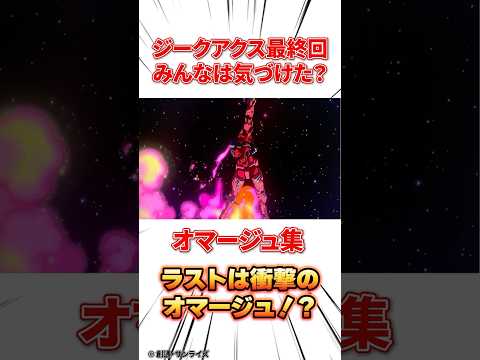
The final episode of Mobile Suit Gundam SEED FREEDOM featured extensive homages to previous Gundam series, sparking emotional responses from longtime fans on social media. This analysis explores why these references resonated so deeply and what they reveal about the evolution of the Gundam franchise and fan expectations.
What Happened
Mobile Suit Gundam SEED FREEDOM, which premiered in January 2024, concluded with multiple homage scenes referencing earlier Gundam series spanning from the original 1979 Mobile Suit Gundam through recent installments. These scenes were not merely visual callbacks but thematic echoes that connected character motivations and narrative arcs across decades of storytelling. Social media users, particularly on X (formerly Twitter), responded with overwhelming praise, expressing how these references created a sense of historical continuity and emotional resonance that transcended typical fan service.
Why It Matters
The reception of SEED FREEDOM’s homage approach signals a fundamental shift in how long-running anime franchises engage with their legacy. For a series spanning 45 years and multiple distinct storylines, the ability to honor past installments while advancing new narratives represents a sophisticated creative challenge. The success of this approach demonstrates that modern anime audiences—particularly those who have grown up with the franchise—seek validation of their long-term investment in a series. This reflects broader industry trends toward what might be called “sophisticated homage,” where references serve thematic and emotional purposes rather than mere nostalgia.
Background
The Gundam franchise began in 1979 with the original Mobile Suit Gundam and has since produced numerous series set in different universes and timelines. Key installments include the Universal Century saga (1979-1988), Gundam Wing and Gundam X (1995-1996), Mobile Suit Gundam SEED (2002-2003), Gundam 00 (2007-2009), Mobile Suit Gundam: Iron-Blooded Orphans (2015-2017), and Mobile Suit Gundam: The Witch from Mercury (2022-2023). SEED FREEDOM serves as a theatrical conclusion to the SEED timeline, directed by Yoshiyuki Tomino’s successor Fukuda Katsuyuki, who has been instrumental in the SEED series since its inception.
The film’s approach to homage differs from previous Gundam works. While earlier series occasionally referenced their predecessors, SEED FREEDOM integrated multiple explicit and implicit references into its narrative structure, suggesting that the production team viewed the film as a culmination point for the entire franchise’s thematic concerns.
Key Points
- SEED FREEDOM’s final episode incorporated homages to multiple Gundam series, from the original 1979 work through contemporary installments
- Fan reactions on social media emphasized emotional resonance and a sense of historical continuity rather than simple nostalgia
- The homages were structurally integrated into character psychology and narrative meaning, not merely visual references
- This approach represents a deliberate creative choice by director Fukuda Katsuyuki to position SEED as part of the broader Gundam legacy
- The film’s success suggests audiences value acknowledgment of franchise history and thematic inheritance across generations
- The production demonstrates what might be termed “sophisticated homage”—references that serve narrative and emotional functions beyond fan service
Timeline
- 1979: Original Mobile Suit Gundam airs, establishing the franchise foundation
- 1986: Mobile Suit Gundam ZZ continues the Universal Century timeline
- 2002: Mobile Suit Gundam SEED introduces a new universe with narrative parallels to the original series
- 2007: Gundam 00 launches with a distinct thematic approach
- 2015: Mobile Suit Gundam: Iron-Blooded Orphans explores darker narrative territory
- 2024: Mobile Suit Gundam SEED FREEDOM releases as a theatrical conclusion, incorporating homages across the franchise
Perspectives
The Fan Perspective: Longtime viewers who have followed the Gundam franchise for decades expressed that SEED FREEDOM’s homages created a profound sense of validation. Comments reflected themes of temporal continuity—the realization that their 20-year journey with SEED connected to their parents’ experience with the original series, and that all these narratives functioned as part of a unified whole. This perspective emphasizes emotional fulfillment and the confirmation of shared cultural memory.
The Creative Perspective: Director Fukuda Katsuyuki’s integration of homages appears motivated by three primary concerns: first, expressing respect for the broader Gundam legacy; second, maximizing emotional satisfaction by acknowledging viewer investment across multiple series; and third, strengthening character motivations by connecting them to the historical weight of previous Gundam protagonists’ choices. This approach positions SEED FREEDOM not as a standalone work but as an inheritor of franchise responsibility.
The Critical Perspective: Some viewers expressed concern that the density of homages potentially overshadowed SEED FREEDOM’s independent narrative. However, analysis suggests this criticism may misunderstand the production’s intentional design—the balance between innovation and inheritance was deliberately calibrated, with homages serving thematic rather than merely decorative functions.
Comparative Analysis: Homage Approaches Across Gundam Series
SEED FREEDOM’s homage methodology represents a significant evolution in franchise approach. The original Mobile Suit Gundam (1979) contained no homages, as it was the franchise foundation. Gundam ZZ (1986) inherited characters and mechanical designs from its predecessor but without explicit thematic homage. Mobile Suit Gundam SEED (2002) referenced the original series’ narrative structure and character archetypes, receiving strong audience approval. Gundam 00 (2007) maintained relative independence from previous works. Mobile Suit Gundam: Iron-Blooded Orphans (2015) employed implicit structural parallels to earlier series, particularly in protagonist characterization. SEED FREEDOM (2024) stands alone in combining explicit and implicit homages across multiple series simultaneously, achieving what appears to be the highest density and sophistication of reference integration in the franchise’s history.
Insights
SEED FREEDOM’s success reveals several important truths about contemporary anime fandom and franchise management. First, audiences have matured in their expectations: they no longer seek either pure nostalgia or pure innovation, but rather the integration of both. Second, the film demonstrates that homage functions most effectively when it serves narrative and thematic purposes rather than operating as decorative fan service. Third, the work suggests that long-running franchises can achieve cultural significance by positioning themselves as inheritors of their own history—by treating previous installments not as obstacles to overcome but as foundations to build upon.
The film also illustrates an important industry trend toward what might be called “sophisticated homage.” Works like Jujutsu Kaisen, Attack on Titan’s final arc, and Demon Slayer: Mugen Train have similarly employed references that serve thematic functions. SEED FREEDOM appears to be the first Gundam work to execute this approach at franchise-wide scale.
Looking forward, SEED FREEDOM establishes a new standard for Gundam productions. Future series will likely face expectations to honor the franchise’s legacy while advancing new narratives—a challenging but potentially creatively rewarding constraint. The film’s approach suggests that the franchise’s future strength lies not in abandoning its past but in deepening its relationship with it, allowing new stories to resonate with the accumulated weight of 45 years of storytelling.
For viewers new to Gundam, SEED FREEDOM demonstrates that the franchise functions as a unified cultural artifact despite its multiple timelines and universes. For longtime fans, the film validates decades of investment by confirming that all these narratives—from 1979 to 2024—form part of a coherent artistic vision. This dual resonance may explain why the film’s homage approach generated such powerful emotional responses across social media platforms.