▶ Watch the original YouTube video
Super Smash Bros. Ultimate’s Final Smash system goes far beyond delivering powerful attacks—it serves as a sophisticated tool for expressing each character’s personality, psychology, and original game identity. Through analysis of how characters like Knuckles react to and execute their ultimate moves, the game demonstrates how modern character-driven games can merge mechanics with narrative expression.
- What Happened
- Why It Matters
- Background
- Key Points
- Design Philosophy: Character Psychology Through Mechanics
- Knuckles as a Case Study in Supporting Character Design
- Broader Industry Implications
- Cooperative Play and Character Relationships
- Community Reception and Professional Recognition
- Practical Insights for Players
- Insights: The Future of Character-Driven Game Design
What Happened
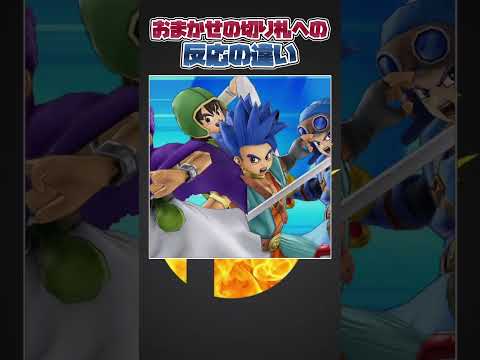
A video analysis examines how different characters in Super Smash Bros. Ultimate respond to and execute their Final Smash attacks, with particular focus on Knuckles and cooperative gameplay. The analysis reveals that Final Smash animations and mechanics are deliberately designed to reflect each character’s personality, combat philosophy, and original game background—not merely to serve as powerful finishing moves.
Why It Matters
This approach to character design represents a significant evolution in how fighting games and character-driven titles integrate gameplay mechanics with narrative and personality expression. Rather than treating all characters identically within a system, Super Smash Bros. Ultimate demonstrates that even minor characters deserve individualized design that honors their source material and personality. This philosophy has broader implications for game development, showing how competitive balance and character authenticity can coexist.
Background
Super Smash Bros. Ultimate, released in 2018 for Nintendo Switch, features over 80 playable characters, each with unique Final Smash attacks. Unlike previous entries in the series, Ultimate invested significantly in differentiating not just the mechanical effects of Final Smashes, but their visual presentation and animation—making each one a reflection of the character using it. Knuckles, a supporting character from the Sonic franchise, exemplifies this design philosophy. His Final Smash combines his signature gliding ability with powerful punches, mirroring his straightforward, earnest personality from the original games.
Key Points
- Final Smash animations in Ultimate express character psychology: confident characters like Mario display assured attitudes, while reserved characters like Sheik execute moves with calculated precision
- Knuckles’ Final Smash reflects his character archetype—simple but genuine, powerful but slightly clumsy—through both mechanics and animation
- Supporting characters receive the same design attention as protagonists, establishing them as equally valuable individuals rather than diminished versions of main characters
- Character reactions during Final Smash activation reveal psychological states: some show confidence, others display hesitation or mechanical detachment
- The system successfully balances competitive gameplay with character expression, though this creates intentional mechanical imbalances that serve narrative purposes
- Cooperative play dynamics reflect original game relationships—Sonic and Knuckles’ teamwork in Ultimate mirrors their partnership in source material
Design Philosophy: Character Psychology Through Mechanics
Ultimate’s Final Smash system demonstrates three distinct character archetypes based on psychological expression. The first category comprises confident protagonists—Mario, Sonic, and similar main characters—who display assured, commanding attitudes when activating their ultimate moves. These characters embody the conviction that their Final Smash will secure victory.
The second category includes cool, calculated characters like Sheik and Dark Samus, who execute Final Smashes with mechanical precision and emotional detachment. Their animations suggest tactical focus over emotional investment, reflecting their personality types.
The third category encompasses characters displaying uncertainty or hesitation, with Knuckles as a prime example. His Final Smash activation shows subtle instability—body tremors, uncertain eye movements—that express psychological doubt while maintaining combat effectiveness. These micro-animations transform a simple game mechanic into character development.
Knuckles as a Case Study in Supporting Character Design
Knuckles represents a paradigm shift in how games treat supporting characters. Rather than presenting him as a weaker or simplified version of the protagonist Sonic, Ultimate establishes Knuckles as a distinct character with independent strengths, weaknesses, and personality. His straightforward nature—described as “simple but sincere, powerful but somewhat clumsy”—manifests in every aspect of his gameplay and animation.
This approach contrasts with traditional fighting game design, where supporting characters often lack the individualization afforded to protagonists. Ultimate’s commitment to giving Knuckles equal design attention signals that character value extends beyond narrative importance. A supporting character deserves authentic representation within the game system.
Broader Industry Implications
This design philosophy aligns with emerging trends in character-driven games. Titles like Persona 5 integrate character psychology into combat systems, while Fire Emblem: Three Houses reflects personality traits in unit performance. Ultimate’s Final Smash system contributes to this movement by demonstrating that competitive balance and character authenticity need not conflict.
The intentional mechanical imbalances in Final Smash strength—some characters’ ultimate moves are objectively more powerful than others—represent a deliberate trade-off. Rather than viewing this as a design flaw, it reflects the developers’ commitment to character expression over perfect mechanical symmetry. A character’s personality may demand a weaker or stronger ultimate attack, and that design choice takes precedence.
Cooperative Play and Character Relationships
The video’s emphasis on cooperative gameplay with Knuckles highlights another sophisticated design layer. In Ultimate, character pairings can reflect original game relationships. Sonic and Knuckles, who function as teammates in source material, maintain that dynamic in cooperative modes. This attention to character relationships extends game narrative beyond single-player campaigns into multiplayer experiences.
Community Reception and Professional Recognition
Online communities have responded positively to Ultimate’s character design approach. Social media discussions frequently praise the individuality of Final Smash animations, particularly for supporting characters. YouTube creators have produced numerous analytical videos examining Final Smash design, indicating player interest in mechanics beyond competitive performance.
Game industry professionals have similarly recognized Ultimate’s design philosophy. The game has been referenced at the Game Developers Conference as an exemplary case study in character design integration. However, some criticism exists regarding mechanical imbalance, though this critique often overlooks the intentional design choices underlying those differences.
Practical Insights for Players
Understanding Final Smash design enriches gameplay experience. New players benefit from observing all characters’ ultimate moves not merely as powerful attacks, but as character expressions. Researching a character’s original game background—for instance, understanding Knuckles’ role in Sonic games—adds meaningful context to their Ultimate representation.
Cooperative play gains depth when players consciously pair characters with original relationships. Combining Sonic with Knuckles, Mario with Luigi, or Link with Zelda creates thematic coherence beyond mechanical synergy. Even competitive players benefit from understanding how character personality traits translate to mechanical strengths and weaknesses, as these design choices maintain internal consistency.
Insights: The Future of Character-Driven Game Design
Ultimate’s Final Smash system represents a significant milestone in character-driven game design. By successfully merging gameplay mechanics with personality expression, the game demonstrates that competitive integrity and character authenticity can coexist. The fact that supporting characters like Knuckles receive design attention equal to protagonists signals a fundamental shift in how games value character representation.
This approach suggests future character-driven games will increasingly prioritize psychological and personality-based design integration. As development technology advances, the capacity for nuanced character expression through game mechanics will expand, likely inspiring industry-wide adoption of similar philosophies.
Ultimate ultimately presents character games not as mechanical systems with attached narratives, but as unified experiences where every design choice—from attack animations to cooperative dynamics—serves character expression. In this framework, Knuckles is not a secondary character receiving secondary treatment, but a fully realized individual whose straightforward personality and earnest determination are honored through thoughtful, comprehensive game design. This represents the ideal toward which character-driven games should aspire.