▶ Watch the original YouTube video
Why Fans Are Falling for the Villains in Omega Horn and Kamen Rider Zetts: The Rise of Humanized Antagonists in Modern Tokusatsu
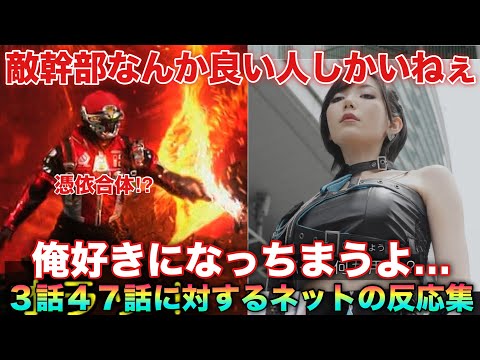
Recent episodes of Omega Horn and Kamen Rider Zetts have sparked widespread online enthusiasm for their antagonist characters, with viewers praising how the villains are portrayed as genuinely likable people rather than one-dimensional enemies. This shift reflects a broader industry trend toward complex, humanized villain characterization that has fundamentally changed how audiences engage with tokusatsu and anime storytelling.
What Happened
Episode 3 of Omega Horn and Episode 47 of Kamen Rider Zetts have generated significant positive fan reactions across multiple platforms, with viewers expressing unexpected affection for the enemy organization’s leadership. Particularly notable is the relationship between characters Reiji and Ibal, which fans have humorously described as intimate and dependent, sparking widespread discussion about the quality of antagonist characterization. Comments like “I can’t help but love these villains” and “all the enemy commanders are good people” have become common across Twitter, YouTube, and fan forums.
Why It Matters
The positive reception of these antagonists signals a significant evolution in tokusatsu and anime production philosophy. Rather than treating villains as disposable obstacles, modern productions are investing substantial effort into making enemy characters psychologically complex and emotionally resonant. This approach deepens viewer engagement, increases emotional investment in the narrative, and creates more compelling storytelling overall. The phenomenon also reflects changing audience demographics—today’s viewers include adult former tokusatsu fans and anime-literate younger generations who demand sophisticated character development across all roles, not just protagonists.
Background
The humanization of antagonist characters has been a gradual industry trend since the late 2000s. Earlier tokusatsu productions typically portrayed villains as simple obstacles to overcome, with minimal character development or emotional depth. However, works like Kamen Rider Double (2009) began demonstrating that complex, sympathetic antagonists could enhance overall narrative quality. This evolution accelerated through the 2010s, influenced by anime productions such as Mobile Suit Gundam 00 (2007) and Attack on Titan (2013), which fundamentally challenged viewers’ perceptions of enemy characters by revealing their humanity and complex motivations. The rise of social media has amplified this trend by making positive fan reactions to villains immediately visible and shareable, creating feedback loops that encourage producers to invest further in antagonist development.
Key Points
- Humanized Antagonists: Omega Horn and Kamen Rider Zetts present enemy commanders as complex individuals with genuine relationships and emotional depth, rather than simple obstacles.
- Relationship Dynamics: The portrayal of relationships between enemy characters—particularly between Reiji and Ibal—creates viewer empathy and emotional investment in antagonist arcs.
- Industry Evolution: Villain characterization has progressively become more sophisticated since the late 2000s, reflecting both audience expectations and production capabilities.
- Viewer Engagement: Positive fan reactions across multiple platforms demonstrate that audiences actively seek and appreciate nuanced antagonist portrayals.
- Narrative Implications: Well-developed villains create opportunities for compelling plot developments such as internal conflict, character redemption, or unexpected alliances.
- Demographic Shift: Modern tokusatsu audiences include adult viewers and anime-literate demographics who demand sophisticated storytelling across all character types.
Timeline
- 2007: Mobile Suit Gundam 00 introduces revolutionary antagonist characterization in anime, portraying enemy forces as ideologically complex rather than simply evil.
- 2009: Kamen Rider Double establishes sophisticated villain development as a tokusatsu standard, with antagonists receiving substantial character arcs and emotional depth.
- 2013: Attack on Titan fundamentally reshapes audience perception of enemy characters by revealing their humanity and complex motivations.
- 2015: Kamen Rider Ghost employs relatively simple antagonist characterization, representing earlier production approaches.
- 2018: Kamen Rider Zi-O demonstrates increased complexity in enemy organization characterization, reflecting rising audience expectations.
- 2024: Omega Horn and Kamen Rider Zetts represent the current peak of antagonist humanization, with extensively developed villain characters receiving substantial narrative focus.
Perspectives
The positive reception of Omega Horn and Kamen Rider Zetts’ antagonists reflects multiple converging perspectives. From a production standpoint, creators recognize that investing in villain characterization increases overall narrative depth and viewer emotional investment. From an audience perspective, viewers appreciate the sophistication and complexity that humanized antagonists bring to storytelling. Fan communities actively celebrate these characters through social media, creating visible enthusiasm that validates production choices. However, some viewers express concern that excessively sympathetic villains may make their eventual defeat emotionally difficult, raising questions about how producers will navigate the tension between character likability and narrative conflict. Industry observers note that this trend reflects broader shifts in entertainment consumption, where audiences increasingly reject simplistic moral binaries in favor of morally complex narratives.
Insights
The enthusiastic fan response to Omega Horn and Kamen Rider Zetts’ antagonists demonstrates that modern audiences value psychological complexity and emotional authenticity in all characters, regardless of alignment. This shift has profound implications for tokusatsu and anime production: creators who invest in antagonist development gain significant competitive advantages in viewer engagement and emotional resonance. The humanization of villains also creates narrative flexibility, enabling plot developments such as internal organization conflict, character redemption arcs, or unexpected alliances that would lack credibility if antagonists remained one-dimensional. The visible celebration of these characters across social media platforms creates positive feedback loops that encourage further investment in villain characterization industry-wide. Looking forward, productions that fail to develop antagonists with comparable sophistication may appear dated or narratively shallow by comparison. The trend also reflects demographic evolution—as tokusatsu and anime audiences have aged and diversified, production standards have necessarily elevated to meet sophisticated viewer expectations. This represents not merely a stylistic preference but a fundamental evolution in how storytelling functions in contemporary entertainment.