▶ Watch the original YouTube video
Mobile Suit Gundam SEED FREEDOM: Fan Reactions and Analysis from Opening Day
Mobile Suit Gundam SEED FREEDOM premiered to overwhelming audience response, with fans experiencing a dramatic emotional reversal from anticipated tragedy to unexpected joy. The film’s marketing strategy—featuring ominous promotional materials and cryptic lyrics—set viewers up to expect character deaths, only to deliver a story of hope and reunion after 20 years of silence in the franchise.
What Happened
Mobile Suit Gundam SEED FREEDOM opened to audiences who had spent weeks analyzing promotional materials, opening theme lyrics, and character hints in search of clues about the film’s plot. The prevailing theory among fans was that protagonist Kira Yamato and his partner Lacus Clyne would not survive the film, based on ominous lyrics from the opening theme “Romantics” and the film’s overall dark marketing tone. However, the actual film delivered a narrative centered on hope, survival, and the revelation of a major plot twist: Lacus is revealed to be a Super Coordinator, a revelation that recontextualizes events from the entire SEED franchise.
Why It Matters
Gundam SEED FREEDOM represents a significant moment in anime franchise storytelling. After more than 20 years since the original SEED television series aired in 2002, the film demonstrates how long-form narrative franchises can use audience expectations and emotional investment to create powerful storytelling moments. The film’s success in subverting viewer expectations—what fans describe as “attending a funeral but witnessing a wedding”—illustrates sophisticated marketing and narrative design. Additionally, the film’s revelation about Lacus retroactively reframes the entire SEED DESTINY series, demonstrating how prequels and sequels can deepen understanding of earlier works.
Background
Mobile Suit Gundam SEED aired in 2002 as a landmark entry in the long-running Gundam franchise, introducing protagonist Kira Yamato and establishing the concept of “Coordinators”—genetically enhanced humans. The sequel series, SEED DESTINY (2004-2005), shifted focus to character Shin Asuka while maintaining Kira’s involvement, and introduced the antagonist Gilbert Durandal, whose motivations remained ambiguous to many viewers. The franchise then entered a 20-year hiatus before FREEDOM’s announcement.
The film’s production faced notable challenges: the screenplay was handled by different writers for the first and second halves of the film, a fact that initially seemed problematic but ultimately contributed to the narrative’s thematic coherence. The opening theme “Romantics” features lyrics such as “turning my back to the world,” “faint peace,” and “from now on, we’ll live as two,” which fans interpreted as foreshadowing tragedy.
Key Points
- Marketing-Induced Anxiety: Pre-release promotional materials and the opening theme’s lyrics led the majority of fans to believe that main characters Kira and Lacus would die in the film, creating a psychological state of dread before viewing.
- Information Control Strategy: The filmmakers deliberately withheld details about character Asulan’s role and new mobile suit specifications, maintaining extreme tension for opening-day viewers.
- Emotional Reversal Phenomenon: Viewers who avoided spoilers experienced a dramatic shift from expecting tragedy to encountering an emotionally resonant, hopeful narrative—a phenomenon fans describe as “attending a funeral but witnessing a wedding.”
- Lacus as Super Coordinator Revelation: The film’s major plot twist—that Lacus is a Super Coordinator—recontextualizes previous SEED and SEED DESTINY events and provides new interpretive frameworks for understanding the antagonist Durandal’s motivations.
- Narrative Coherence Despite Production Challenges: The film’s shift in screenwriters between its first and second halves, rather than creating tonal inconsistency, reinforces the thematic arc from despair to hope.
- Vintage Mobile Suit Significance: The appearance of older mobile suit models (particularly the Zaku) carries symbolic weight, suggesting themes of historical continuity and the enduring value of legacy technology.
Timeline
- 2002: Mobile Suit Gundam SEED airs, establishing the franchise’s core narrative and introducing the concept of Coordinators.
- 2004-2005: Mobile Suit Gundam SEED DESTINY airs, shifting narrative focus while maintaining connection to original characters.
- 2005-2024: 20-year hiatus in the SEED franchise.
- Pre-Release Period: Promotional materials and opening theme released, generating fan speculation about character fates.
- Opening Day: FREEDOM premieres; audiences experience the emotional reversal from anticipated tragedy to hopeful narrative.
Perspectives
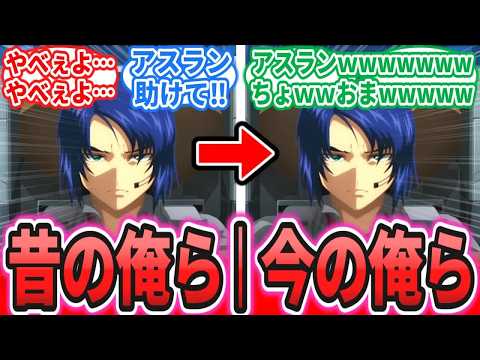
The Fan Perspective: Long-time viewers of the SEED franchise brought 20+ years of investment and pattern recognition to their viewing experience. Many fans noted that the SEED series has historically featured ambiguous character fates and dramatic reversals, making their anxiety about potential character deaths a logical extrapolation from franchise history. The repeated phrase “I was desperate then, but it’s funny now” reflects fans’ recognition of their own emotional manipulation and their appreciation for the filmmakers’ sophisticated use of expectation management.
The Narrative Design Perspective: From a storytelling standpoint, FREEDOM demonstrates advanced use of what can be termed “emotional gap maximization.” By establishing low expectations through ominous marketing materials, the film creates conditions where meeting or exceeding baseline narrative quality produces disproportionately positive emotional responses. This technique parallels successful examples in other media, such as Puella Magi Madoka Magica: Rebellion, which similarly used dark promotional materials to set up emotional reversals.
The Recontextualization Perspective: The revelation that Lacus is a Super Coordinator functions as a narrative “key” that unlocks new interpretations of the entire SEED franchise. This approach mirrors the function of Mobile Suit Gundam Unicorn, which similarly reframed the entire Gundam timeline through new information. Such retroactive recontextualization demonstrates how long-form franchises can use new installments to deepen audience understanding of previous works.
Insights
Mobile Suit Gundam SEED FREEDOM succeeds not merely as a sequel or continuation, but as a meditation on the passage of time and the survival of beloved characters. The film’s central assertion—that Kira and Lacus survive—carries profound symbolic weight: it represents the franchise’s own survival across two decades and the enduring relevance of these characters to their audience.
The film’s use of production constraints as narrative strengths offers a broader lesson in creative adaptation. The shift in screenwriters between the film’s halves, rather than creating discontinuity, reinforces the thematic progression from despair to hope. This suggests that perceived production challenges can, when integrated thoughtfully into narrative design, enhance rather than diminish artistic impact.
The Lacus Super Coordinator revelation also addresses a persistent criticism of SEED DESTINY: that antagonist Durandal’s motivations remained unclear. By recontextualizing Durandal’s actions through the lens of Lacus’s existence and nature, the film retroactively provides narrative coherence to events that fans had questioned for nearly two decades. This demonstrates how franchise storytelling can evolve to address previous audience concerns.
Furthermore, the film’s thematic emphasis on vintage mobile suit technology—particularly the symbolic weight given to older machines—reflects a broader artistic choice to value historical continuity and legacy over mere technological advancement. This philosophy extends beyond mechanical design to the film’s central message: that 20-year-old characters and relationships retain profound value and relevance.
Ultimately, FREEDOM represents a franchise arriving at a form of completion—not conclusion, but rather a moment of integration where past, present, and future narrative threads achieve temporary coherence. The film suggests that the SEED saga, after two decades of silence, has found new meaning through the simple act of allowing its characters to survive and reunite.