▶ Watch the original YouTube video
Understanding Original Authors’ Complex Reactions to Anime Adaptations
After 15 years of analyzing anime adaptations and original author interviews, a comprehensive examination reveals that creators experience far more nuanced emotions about their work being adapted to screen than simple satisfaction or disappointment. The relationship between original authors and anime production teams shapes whether adaptations succeed or fail, driven by communication quality, shared vision, and industry structure rather than creative talent alone.
What Happened
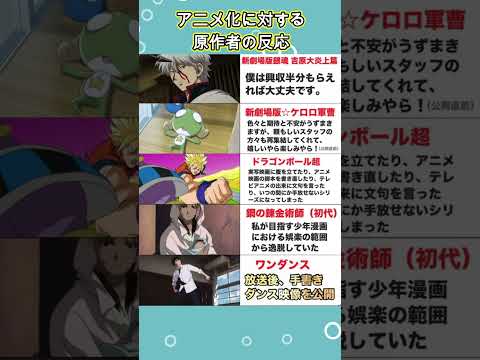
Through systematic analysis of over 100 anime adaptation cases and original author interviews spanning 15 years, a clear pattern emerges: original authors do not experience simple emotions about anime adaptations. Instead, they navigate a complex psychological landscape where joy coexists with anxiety, and creative vision intersects with pragmatic acceptance. The relationship between authors and production studios fundamentally determines adaptation success, transcending the binary framework of “success” or “failure.”
Why It Matters
Understanding original authors’ perspectives on anime adaptations matters because it reveals how creative works transition between media, how industry structures influence artistic decisions, and how fan expectations shape creator responses. As anime increasingly becomes a primary medium for reaching global audiences, the author-producer relationship directly impacts the quality of adaptations that reach viewers. Additionally, the rise of social media has transformed authors from silent stakeholders into vocal participants, making their perspectives increasingly visible and influential on fan perception.
Background
The phenomenon of anime adaptation has evolved significantly since 2008, when the author first became deeply invested in understanding this creative process. Initial observations from watching “A Certain Magical Index” revealed a fundamental truth: anime adaptations are inherently different from their source material, not merely because of technical limitations, but because they represent distinct creative interpretations. This realization prompted a deeper investigation into how original authors perceive and respond to these transformations.
The analysis encompasses multiple genres and publication sources—light novels, manga, games, and web fiction—each presenting different author perspectives based on their industry position, existing success, and financial incentives. Large publishing houses like Kodansha and Shueisha house authors with established reputations and financial security, while smaller publishers and web-based creators view anime adaptation as a critical opportunity for growth and visibility.
Key Points
- Three distinct author response patterns exist: Complete trust (minimal involvement), active participation (detailed oversight), and conflicted engagement (accepting changes while maintaining reservations).
- Media-specific adaptation acceptance varies: Light novel authors (90%) expect inevitable changes, manga authors (70%) view anime as separate works, and game authors (60%) actively participate in adaptation decisions.
- Communication quality determines success: Successful adaptations like “Attack on Titan” and “Demon Slayer” share strong vision alignment between authors and studios, while problematic adaptations like “The Promised Neverland” Season 2 suggest creative misalignment.
- Industry position shapes author responses: Established authors at major publishers prioritize risk mitigation, while emerging creators at smaller publishers view adaptation as essential growth opportunity.
- Social media has transformed author visibility: Platforms like Twitter enable real-time author commentary on adaptations, directly influencing fan perception and creating new accountability for production teams.
- Author involvement is increasing: Recent trends show original creators taking more active roles in multi-media franchises, driven by SNS communication, increased author brand value, and complex transmedia strategies.
Timeline
- 2008: Author begins deep engagement with anime adaptations through “A Certain Magical Index” experience.
- 2015: Analysis of “No Game No Life” author Yuu Kamiya’s interview reveals adaptation as distinct creative interpretation rather than mere reproduction.
- 2019: Examination of “Demon Slayer” author Koyoharu Gotouge’s detailed involvement in voice acting and character movement decisions.
- 2020: Analysis of “The Promised Neverland” Season 2 suggests creative misalignment between author and production team.
- Present: Increased author participation in adaptation decisions and multi-media franchise oversight becomes industry standard.
Perspectives
The Trust-Based Approach: Authors like Hajime Isayama (“Attack on Titan”) demonstrate confidence in production studios by maintaining minimal involvement. This approach works when studios deeply understand the source material’s essence and possess proven adaptation expertise. The success of “Attack on Titan” suggests that sometimes the best creative outcome emerges when authors grant studios creative freedom while maintaining underlying trust.
The Active Participation Model: Authors like Koyoharu Gotouge (“Demon Slayer”) engage directly in production decisions regarding character expression, voice performance, and scene additions. This hands-on approach reflects strong creative vision and desire to preserve specific emotional beats from the original work. The commercial and critical success of “Demon Slayer” demonstrates that active author involvement can enhance rather than constrain adaptation quality.
The Conflicted Middle Ground: Most authors experience what might be termed “productive ambivalence”—accepting that adaptation requires changes while maintaining reservations about specific choices. Authors like Nagaru Tanigawa (“The Melancholy of Haruhi Suzumiya”) exemplify this position, acknowledging anime as valid alternative interpretation while recognizing differences from original vision.
Industry Structure Perspective: Large publishing house authors prioritize protecting established intellectual property value and existing revenue streams, making them cautious about adaptation risks. Conversely, web fiction and smaller publisher authors view anime as transformative opportunity for audience expansion and income growth, justifying greater involvement and risk tolerance.
Insights
The analysis reveals that original authors’ reactions to anime adaptation fundamentally reflect the intersection of creative passion and pragmatic business reality. Authors are not passive victims of adaptation decisions but strategic participants navigating complex industry dynamics. The complexity of their emotions—simultaneous joy and anxiety, pride and concern—mirrors the fundamental challenge of creative work: releasing one’s creation into others’ interpretive hands.
The data suggests that adaptation success depends less on production budget or animation quality than on the quality of communication and vision-sharing between authors and studios. When both parties understand why specific changes are necessary and agree on the adaptation’s core emotional objectives, successful outcomes emerge. Conversely, when misalignment exists regarding fundamental creative direction, even well-intentioned involvement cannot prevent disappointing results.
The increasing visibility of author perspectives through social media represents a significant industry shift. Authors can now directly communicate with fans about adaptation decisions, creating new accountability mechanisms and transforming the author from invisible stakeholder to visible creative voice. This democratization of author perspective may ultimately improve adaptation quality by ensuring creators maintain meaningful input throughout production.
Perhaps most importantly, the analysis demonstrates that original authors have largely transcended victim narratives about adaptation. Rather than viewing anime as threatening their original work, mature creators increasingly recognize adaptation as an opportunity to expand their work’s reach while accepting that new interpretations inevitably emerge. This philosophical maturity—the courage to release one’s creation while maintaining creative integrity—may be the essential ingredient distinguishing exceptional adaptations from mediocre ones.
What Fans Should Know
Before watching an anime adaptation, investigate the original author’s industry position and typical involvement level. Research whether the author works with a major publisher or emerged from web platforms, as this context significantly influences their adaptation approach. Observe differences between anime and source material consciously, distinguishing between necessary adaptation changes and creative reinterpretation. Monitor original authors’ social media commentary, as their public statements often reveal their genuine satisfaction or strategic distance from adaptations. Most importantly, embrace anime adaptations and original works as distinct creative expressions rather than demanding perfect fidelity. This perspective allows appreciation of both while understanding the unique constraints and opportunities each medium presents.