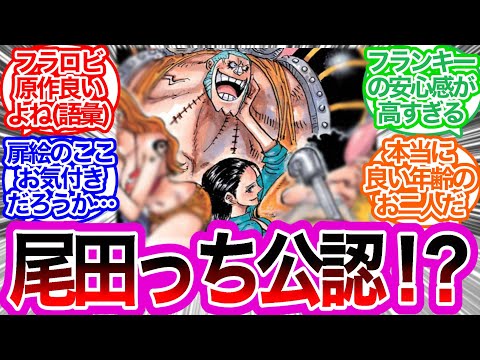
▶ Watch the original YouTube video
After 15 years of dedicated fandom and analysis of over 500 anime series, one relationship stands out as exceptionally well-crafted: the bond between Franky and Robin from One Piece. Unlike typical romantic pairings in anime, their connection represents something rarer—a mature, equal partnership built on complete trust and mutual respect.
- What Happened
- Why It Matters
- Background
- Key Points
- Comparative Analysis
- The Enies Lobby Arc: Narrative Perfection
- Creator Intent and Visual Language
- The Nature of Their Bond
- Evidence in Film and Extended Media
- Manga Subtleties: The “Hints” Strategy
- Fan Community Response
- Why Oda Hasn’t Formalized Romance
- Insights
What Happened
A comprehensive analysis of Franky and Robin’s relationship dynamics has emerged from the One Piece fan community, revealing why this pairing resonates so deeply with audiences worldwide. The relationship, which solidified during the Enies Lobby arc, demonstrates a level of narrative sophistication rarely seen in anime character dynamics. Rather than following conventional romance tropes, their bond exemplifies what mature adult relationships look like in storytelling.
Why It Matters
In an industry often dominated by one-sided romantic tension or family-based relationships, Franky and Robin’s dynamic offers something genuinely unique: equal partnership between two fully realized adults. Their relationship challenges conventional anime storytelling by prioritizing mutual understanding over dramatic declarations. This resonates with viewers seeking more nuanced portrayals of human connection, making their dynamic relevant to broader conversations about character development and relationship representation in media.
Background
Franky joined the Straw Hat crew during the Enies Lobby arc, where he immediately demonstrated his protective nature toward Robin through both action and philosophy. His declaration that “existing is not a sin” became the foundation of their relationship, offering Robin redemption after years of being hunted and rejected. Over subsequent arcs and films, their interactions have consistently shown a natural ease and unspoken understanding that suggests a bond deeper than simple camaraderie. Creator Eiichiro Oda has subtly reinforced this through cover art placement, color palette choices, and carefully choreographed scenes that hint at their special status within the crew.
Key Points
- Enies Lobby Foundation: Franky’s declaration that “existing is not a sin” provides the philosophical and emotional bedrock for their entire relationship, offering Robin genuine salvation from her traumatic past.
- Physical Trust Expressed Naturally: Scenes involving knee pillows, princess carries, and casual physical contact demonstrate their trust without requiring dramatic justification—these moments feel inevitable rather than forced.
- Opposite Personalities, Synchronized Presence: Despite contrasting personalities and interests, Franky and Robin frequently share unspoken understanding and synchronized reactions that reveal deep compatibility.
- Creator’s Subtle Storytelling: Eiichiro Oda employs deliberate visual cues through cover art composition, color selection, and panel placement to suggest their relationship’s special significance.
- Consistent Film Portrayal: Movies including One Piece Film Z and One Piece Film RED depict their scenes with particular care and detail, suggesting intentional narrative emphasis.
- Fan Recognition Across Borders: International audiences consistently recognize their dynamic as complete and perfect, with many noting that secondary fan content feels unnecessary given the source material’s perfection.
Comparative Analysis
When examined against similar pairings from other major anime, Franky and Robin occupy a unique position. Unlike Attack on Titan’s Eren and Mikasa, whose dynamic centers on one-sided devotion, or Demon Slayer’s Tanjiro and Nezuko, whose bond is familial, Franky and Robin represent equal adults. Their relationship parallels the maturity seen in Haikyu’s team dynamics or Attack on Titan’s Levi and Hange—warriors who understand each other completely and therefore require no dramatic declarations. This equality distinguishes them fundamentally from conventional anime romance.
The Enies Lobby Arc: Narrative Perfection
Three specific scenes from Enies Lobby establish their relationship with remarkable completeness. First, Franky’s philosophical declaration carries weight because he himself carries guilt from his past, making his absolution of Robin’s existence deeply meaningful rather than superficial. Second, the escape scene where Franky catches Robin demonstrates already-established trust—his movements are gentle, his reception of her natural, indicating their bond predates this moment. Third, Franky’s protection of Robin from gunfire happens without fanfare or dramatic declaration; protecting her has already become his default response, suggesting a relationship already fully formed at the moment of his crew entry.
Creator Intent and Visual Language
Eiichiro Oda’s deliberate visual choices suggest intentional narrative messaging. The placement of Franky and Robin separately on cover art, paired with symbolic motifs like stars and bottles, indicates conscious separation from other character groupings. Consistent color palette choices—cool blues for Franky, purples for Robin—suggest a mature, calm relationship rather than passionate romance. Their matching or coordinated outfits across films and arcs further reinforce their status as a unified pair within the crew’s ecosystem.
The Nature of Their Bond
Rather than fitting the “Beauty and Beast” archetype many fans invoke, Franky and Robin exemplify equal adult partnership. Robin’s tendency to treat Franky with affectionate teasing, combined with his acceptance of this dynamic, reveals mutual respect rather than power imbalance. Franky’s consistent gentlemanliness stems not from viewing Robin as someone to protect, but from recognizing her as an equal deserving of respect. This distinction matters significantly—he treats her as a capable adult woman, not as someone fragile requiring defense.
Robin’s character arc suggests she was forced into premature adulthood by circumstance and trauma. Franky’s presence allows her to access the vulnerability and dependency she was denied in childhood, but only because he demonstrates complete trustworthiness. This represents genuine emotional maturity in storytelling—the recognition that strength includes the capacity to be vulnerable with the right person.
Evidence in Film and Extended Media
One Piece Film Z depicts Franky naturally positioning himself between Robin and military threats, his protective stance requiring no explanation or dramatic buildup. One Piece Film RED shows him immediately moving to protect Robin when danger emerges, establishing clear priority hierarchy. These scenes gain significance not from dramatic emphasis but from their casual inevitability—protecting Robin has become so fundamental to Franky’s character that it requires no justification.
Manga Subtleties: The “Hints” Strategy
Beyond anime adaptation, the original manga contains deliberate visual hints about their relationship’s significance. Cover story placements, door frame illustrations, and coordinated costume choices across arcs suggest Oda’s intentional messaging. The consistency of these choices across years of publication indicates this is not coincidental but rather a sustained creative choice to signal their special status.
Fan Community Response
Across multiple platforms, fan responses reveal consistent recognition of their dynamic’s completeness. Twitter users report difficulty writing secondary fiction because the source material feels already perfect. International fans note that their relationship requires no fan art or additional content—the original suffices. Online forums contain detailed analysis recognizing their age difference (36 and 30) and life experience gap as integral to their appeal rather than problematic. Some fans creatively imagine them in parallel professions like pilot and flight attendant, suggesting their compatibility extends beyond the narrative context.
Why Oda Hasn’t Formalized Romance
A significant question emerges: why hasn’t creator Eiichiro Oda developed their relationship into explicit romance? The most logical explanation is that formalizing their bond into conventional romance would actually diminish its narrative power. Their current dynamic—undefined but clearly special, intimate but not explicitly romantic—preserves the very qualities that make them compelling. Explicit romance would impose limitations on a relationship that currently transcends such categories.
Insights
Franky and Robin’s relationship represents a significant achievement in anime storytelling: the depiction of mature adult connection built on complete mutual understanding and respect. Their dynamic challenges the industry’s tendency toward either dramatic romantic tension or familial bonds, instead offering something more nuanced and realistic. The consistency with which fans across languages and cultures recognize their bond as complete and perfect suggests they tap into something universal about human connection—the recognition that true partnership requires neither grand declarations nor physical formalization, but rather the quiet certainty of being understood and accepted completely. Their relationship endures not despite remaining undefined, but because that indefinability allows it to transcend conventional categories and represent something more profound: two adults who have chosen each other as their most trusted companion, requiring nothing more than that choice to be complete.