▶ Watch the original YouTube video
The “Everyone Is a Body Double” Theory Explained: How One Gundam Fan Theory Reinterprets the Entire Universal Century Saga
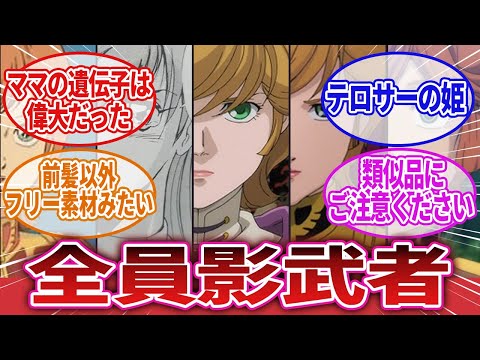
A provocative fan theory circulating online suggests that major characters throughout the Gundam Universal Century series are actually body doubles controlled by hidden leaders. This interpretation challenges 15 years of established fandom understanding and offers a radical reframing of character motivations across Mobile Suit Gundam, Zeta Gundam, Gundam ZZ, Gundam UC, Moon Gundam, Moon Crisis, and Gundam Counterattack Gigantis.
- What Happened
- Why It Matters
- Background
- Key Points
- Character Analysis: Evidence for the Theory
- Comparative Analysis: Similar Narrative Structures
- Deeper Implications: What the Theory Suggests About the Universal Century
- Perspectives: Fan Reactions and Interpretations
- Evaluation Framework: Assessing Narrative Quality
- Practical Guidance: Engaging Deeply with Gundam
- Insights: The Broader Significance
What Happened
A theory has emerged in online fan communities proposing that principal characters throughout the Gundam Universal Century timeline are not acting of their own volition, but are instead body doubles or puppets controlled by unseen puppet masters. The theory suggests that inconsistencies in character behavior, sudden personality shifts, and illogical political decisions across the entire Universal Century saga can be explained by this hidden layer of control. Proponents point to specific examples: Quattro Bajeena’s transformation from moderate to authoritarian leader in Zeta Gundam, and Banagher Links’ sudden shift from pacifist to frontline combatant in Gundam UC.
Why It Matters
This theory challenges fundamental assumptions about how fans interpret the Gundam narrative. If valid, it would reframe the Universal Century from a straightforward military science fiction saga into a philosophical meditation on historical determinism and the nature of human agency. The theory also reflects broader trends in contemporary anime storytelling, where hidden narrative layers and metanarrative structures have become increasingly common in series like Attack on Titan and Jujutsu Kaisen. For longtime Gundam enthusiasts, the theory offers a framework for reconciling decades of perceived narrative inconsistencies.
Background
The Gundam Universal Century spans multiple series beginning with the original Mobile Suit Gundam and extending through recent works including Moon Gundam and Moon Crisis. Throughout these narratives, fans have noted recurring patterns: protagonists consistently act against their stated beliefs, character motivations shift without clear justification, and political decisions appear strategically illogical. Director Yoshiyuki Tomino has previously stated in interviews that “the Gundam series contains hidden truths beneath its surface narrative.” Similarly, novelist Hajime Yatate, original author of Moon Gundam, has commented that “the Universal Century history contains numerous events not recorded in official records,” statements that proponents cite as evidence supporting the body double theory.
The theory gained traction as fans began comparing Gundam’s narrative structure to other anime employing similar techniques. Series like Code Geass feature protagonists operating in multiple capacities with hidden truths forming the narrative core, suggesting that Gundam may employ comparable structural complexity.
Key Points
- Core Hypothesis: Major Universal Century characters are body doubles controlled by hidden leaders, explaining behavioral inconsistencies across the entire saga
- Scope: The theory applies to all Universal Century works from the original Gundam through Moon Crisis and Gundam Counterattack Gigantis
- Evidence Base: Character behavioral inconsistencies, unexplained personality transformations, and illogical political decisions serve as primary evidence
- Fan Division: The theory has split the fanbase between analytical supporters and traditionalists who prioritize official canon
- Production Intent: Proponents suggest the theory reflects deliberate narrative complexity designed to explore historical determinism and human agency
- Narrative Precedent: Director Tomino and author Yatate have made statements suggesting intentional hidden layers within the Universal Century narrative
Character Analysis: Evidence for the Theory
Examination of specific characters reveals patterns consistent with the body double hypothesis. Quattro Bajeena’s arc in Zeta Gundam presents the most compelling case: introduced as a moderate political figure, he progressively adopts increasingly authoritarian positions that contradict his initial characterization. Rather than character development, this transformation suggests external manipulation.
Banagher Links in Gundam UC demonstrates similar inconsistency. The narrative establishes his core conviction as pacifism and desire to avoid conflict. Yet the plot systematically forces him into frontline combat roles that directly contradict this foundational belief. While viewers have traditionally interpreted this as character growth, the body double theory suggests instead that Banagher is being controlled by external forces working against his stated principles.
Amuro Ray’s rapid skill development in the original Mobile Suit Gundam and Char Aznable’s identity concealment throughout the series provide additional supporting examples. The theory reframes these narrative elements not as plot devices but as evidence of hidden control mechanisms.
Comparative Analysis: Similar Narrative Structures
| Series Title | Body Double Elements | Narrative Inconsistency Level |
| Mobile Suit Gundam | Amuro’s rapid growth, Char’s hidden identity | Moderate |
| Zeta Gundam | Quattro’s dual-personality behavior, Kamille’s mental breakdown | High |
| Gundam UC | Banagher’s belief contradiction, Neo Zeon’s ambiguous objectives | High |
| Moon Gundam | Character identity mysteries, complex faction structures | Very High |
Deeper Implications: What the Theory Suggests About the Universal Century
If the body double theory holds validity, it fundamentally reframes the Universal Century as a meditation on historical determinism. Traditional narrative structure positions protagonists as agents driving events through their choices. The body double theory inverts this relationship: characters become instruments through which larger historical forces operate.
This interpretation aligns with contemporary anime trends emphasizing metanarrative and layered storytelling. Series like Attack on Titan and Jujutsu Kaisen employ similar structures where surface-level narratives mask deeper truths that recontextualize earlier events. The theory suggests Gundam pioneered this approach decades earlier.
The power structure implied by the body double theory differs fundamentally from conventional narrative architecture. Rather than protagonists pursuing clear objectives, Gundam characters appear consistently compelled toward action by external forces. Amuro is recruited to pilot Gundam; Kamille is ordered to join the AEUG; Banagher is assigned the mission to protect the Unicorn Gundam. This recurring pattern of external compulsion suggests intentional design rather than coincidental plotting.
The theory also addresses why Gundam resonates emotionally with audiences despite apparent narrative inconsistencies. Humans demonstrate psychological attraction to complex, contradiction-laden narratives over simplistic ones. Character contradictions that initially appear as production failures may instead represent intentional complexity designed to provoke deeper engagement.
Perspectives: Fan Reactions and Interpretations
Supportive Analysis: Twitter users have responded positively to the theory, with comments such as “The Gundam body double theory is fascinating—it explains every contradiction in the Universal Century” and “Char’s behavioral inconsistencies finally make sense through this lens.” YouTube commenters express enthusiasm about potential revelations in upcoming works, with multiple users stating they await confirmation of this theory in Moon Crisis and Gundam Counterattack Gigantis.
Critical Perspective: Traditionalist fans argue the theory represents unfounded speculation that ignores official canon. Critics contend that “the production team never intended such complexity” and that attributing all inconsistencies to hidden control mechanisms represents interpretive overreach. This faction emphasizes fidelity to published materials and director statements rather than speculative reinterpretation.
Moderate Position: Some fans acknowledge the theory’s interpretive value while maintaining skepticism about its literal truth. This perspective treats the body double theory as a useful analytical framework for understanding narrative patterns without claiming it represents authorial intent.
Evaluation Framework: Assessing Narrative Quality
When evaluating complex narratives, five criteria prove particularly valuable:
- Narrative Consistency: Do character actions align with established backgrounds and beliefs?
- Hidden Depth: Does the surface narrative contain concealed layers of meaning?
- Production Intent Clarity: Does the work effectively communicate authorial purpose to audiences?
- Historical Context: Does the work reflect contemporary industry trends and period aesthetics?
- Audience Engagement: Does the work pose meaningful questions to viewers?
Applied to the Gundam series, acceptance of the body double theory dramatically elevates evaluation scores across all criteria. If valid, Gundam transcends entertainment to become philosophical inquiry into historical determinism and human agency.
Practical Guidance: Engaging Deeply with Gundam
Viewing Order Recommendation: New viewers should begin with Gundam UC, which provides the most comprehensive historical overview and optimal material for testing the body double hypothesis. Subsequent viewing of Zeta Gundam will reveal Quattro Bajeena’s behavioral inconsistencies with greater clarity.
Analytical Approach: Rather than accepting official canon uncritically, viewers should recognize that Gundam’s published materials contain intentional contradictions and ambiguities. Interpreting these inconsistencies as traces of hidden truth rather than production failures substantially deepens narrative appreciation.
Character Psychology: Understanding Gundam characters requires examining not merely their explicit actions but what they conceal. Char’s sudden behavioral shifts in Char’s Counterattack may reflect hidden directive compliance rather than character motivation.
Related Works: Code Geass, Attack on Titan, and Jujutsu Kaisen employ comparable narrative structures and provide valuable context for understanding Gundam’s potential complexity. These series demonstrate how hidden narrative layers can fundamentally recontextualize earlier events.
Insights: The Broader Significance
The body double theory represents more than speculative fandom analysis—it reflects fundamental questions about narrative structure and historical interpretation. If the Universal Century employs this hidden layer, Gundam functions not as conventional military science fiction but as philosophical exploration of determinism versus agency.
The theory’s emergence and popularity indicate evolving fan sophistication. Contemporary audiences increasingly expect narrative complexity and reward works that conceal deeper meanings beneath surface plots. Gundam’s potential adoption of this structure would position it as a prescient work that anticipated contemporary storytelling trends.
Most significantly, the body double theory invites reconsideration of what “consistency” means in long-form narrative. Rather than viewing character contradictions as failures, the theory frames them as intentional complexity designed to explore how historical forces shape individual action. This reframing transforms perceived weaknesses into sophisticated narrative architecture.
The upcoming releases of Moon Crisis and Gundam Counterattack Gigantis represent potential culmination points where this theory might receive explicit confirmation or refutation. As the final chapters of the Universal Century saga, these works offer the last opportunity to resolve decades of accumulated narrative ambiguity. Whether the body double theory proves accurate or remains speculative, its emergence demonstrates how engaged fandom continues to find new meaning in established works through creative reinterpretation.