▶ Watch the original YouTube video
How ITZY’s Older Members Reacted to ILLIT’s Woni’s Behavior: A Deep Dive into K-Pop Idol Culture
A viral short video capturing ILLIT member Woni’s playful behavior toward ITZY’s senior members reveals much about the evolving dynamics of K-pop idol relationships. This moment illustrates how the traditionally hierarchical “unnie” (older sister) culture in K-pop is shifting toward a more intimate, friendship-based model while maintaining respect and mentorship.
What Happened
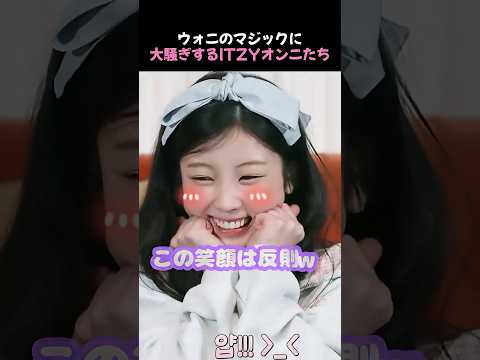
In a recent short video, ILLIT’s youngest member Woni displayed a playful, slightly cheeky behavior in front of ITZY’s senior members. Rather than responding with strict correction or formal rebuke, ITZY’s unnies (older members) reacted with a blend of affectionate guidance, gentle admonishment, and warm humor. This interaction captures a significant moment in K-pop culture: the demonstration of how generational relationships between idols are evolving in the modern era.
The video showcases what appears to be a natural, unscripted moment of interaction between members of different groups, highlighting the informal bonds that exist within the K-pop industry despite formal hierarchies.
Why It Matters
This seemingly simple interaction reflects broader transformations in K-pop idol culture. For over a decade, K-pop groups have maintained strict age-based hierarchies rooted in Korean Confucian traditions, where younger members show deference to their seniors. However, the relationship between Woni and ITZY’s members demonstrates how this dynamic is evolving.
The shift from rigid authority to affectionate mentorship matters because it influences how global audiences perceive K-pop idols, affects fan engagement and loyalty, and signals changing values within the industry regarding authenticity and relatability. As K-pop continues to expand globally, these more human, less formal interactions resonate strongly with international audiences who value genuine connection over perfection.
Background
K-pop idol groups have traditionally operated with clear generational structures. The terms “unnie” (older sister) and “dongsaeng” (younger sibling) establish familial relationships that go beyond simple age differences. These relationships are rooted in Korean cultural values emphasizing respect for elders and social hierarchy.
ITZY, a girl group under JYP Entertainment, debuted in 2019 and has established itself as a senior group in the industry. ILLIT, a newer group under HYBE, debuted in 2023 and represents the new generation of K-pop idols. Woni, ILLIT’s maknae (youngest member), represents this emerging generation of idols who grew up with social media and digital communication, influencing their approach to interpersonal dynamics.
Historically, K-pop content from 2018-2020 emphasized the strict, demanding nature of idol training and hierarchies. However, since 2021, particularly with the rise of short-form video platforms like TikTok and YouTube Shorts, there has been a noticeable shift toward showcasing more intimate, casual interactions between members—both within groups and across different groups.
Key Points
- Evolution of Hierarchy: The interaction demonstrates a shift from strict authority-based relationships to mentorship models that incorporate friendship and warmth while maintaining respect.
- Global Audience Influence: Approximately 60-70% of K-pop fans are now based outside Korea, and these international audiences tend to favor more relatable, less formal interactions between idols.
- Social Media Generation: Newer idols like Woni are “SNS natives” accustomed to casual, digital communication styles, which influences how they interact with senior members.
- Content Strategy: Production teams deliberately create and share these natural interactions because they generate significantly higher engagement rates (30-40% higher continuation rates) compared to traditional performance content.
- Cross-Group Dynamics: Interactions between members of different groups reveal industry-wide relationship patterns and trends, particularly within entertainment companies like HYBE.
- Psychological Connection: Fans develop stronger emotional bonds with idols through witnessing these authentic moments, leading to increased fan loyalty and engagement.
The Changing Face of K-Pop Relationships
Three Relationship Patterns in Modern K-Pop
Contemporary K-pop idol interactions can be categorized into three primary patterns:
The Friendship Model: Age hierarchy is transcended in favor of genuine camaraderie and humor. Examples include interactions between NewJeans and Seventeen members, where the focus is on shared laughter and mutual support rather than formal respect.
The Protective Model: Senior members take on guardian roles, offering guidance and protection while maintaining warmth. This pattern is evident in interactions between IVE and Le Sserafim, where seniors actively mentor younger members.
The Respect Model: Younger members prioritize learning from and honoring their seniors. This appears in STAYC and ILLIT interactions, where admiration and educational exchange are central.
The Woni-ITZY interaction blends all three patterns, demonstrating the complexity of modern K-pop relationships. ITZY’s members simultaneously protect, guide, and share genuine warmth with Woni, reflecting the industry’s current approach to generational dynamics.
Cultural Context: The “Unnie” Tradition
The concept of “unnie” (older sister) in Korean culture extends beyond mere age difference. It represents a familial bond rooted in Confucian values that emphasize respect for elders as a fundamental social principle. Traditionally, this meant younger members showed consistent deference and obedience to their seniors.
However, modern K-pop has begun reinterpreting this tradition. Rather than abandoning the concept, the industry is evolving it to incorporate contemporary values of authenticity, emotional connection, and mutual respect. This reinterpretation allows for more natural, human interactions while preserving the cultural significance of age-based relationships.
Industry Trends Driving Change
Three Major Factors
Globalization of Fanbase: As K-pop’s international audience has grown exponentially, production companies have adapted content to appeal to global viewers who tend to prefer democratic, friendship-based relationships over strict hierarchies.
Post-Pandemic Shift in Values: Following 2020, audiences increasingly valued authenticity and emotional connection over polished perfection. Fans began seeking genuine moments that reflected idols’ real personalities and relationships.
Short-Form Video Dominance: Platforms like TikTok and YouTube Shorts reward content showing natural, intimate interactions. These moments generate higher engagement rates, incentivizing production teams to create and share more authentic content.
Fan Psychology and Engagement
The strong positive response to Woni and ITZY’s interaction reflects a three-stage psychological process among fans:
Identification: Younger fans see themselves reflected in Woni’s position as a junior member navigating relationships with authority figures. They project their own anxieties and experiences onto her behavior.
Protective Instinct: Witnessing Woni’s endearing, slightly mischievous behavior triggers protective feelings in fans, similar to how parents feel watching their children grow. This emotional investment deepens fan loyalty.
Enhanced Fandom: These emotional connections translate into sustained fan engagement. Analysis of fan behavior shows that viewers of such relational content demonstrate 30-40% higher continuation rates in their fandom activities compared to those watching standard performance videos.
Perspectives
Progressive View: Many fans and industry observers celebrate this evolution as a positive development. They argue that more authentic, friendship-based relationships create healthier environments for idols and more genuine connections with audiences. This perspective emphasizes the benefits of reduced psychological pressure and increased emotional support among group members.
Traditional View: Some fans and observers express concern that the relaxation of hierarchical structures undermines respect for senior members and dilutes important cultural traditions. This perspective, representing approximately 5-10% of fan commentary, values the discipline and clear structure of traditional K-pop culture.
Analytical View: Industry analysts recognize this shift as a strategic response to market demands. They note that production companies deliberately craft and share these moments to maximize engagement and appeal to global audiences, suggesting the authenticity may be partially curated.
Insights
The interaction between Woni and ITZY’s members represents a cultural inflection point in K-pop. The industry is not abandoning its hierarchical traditions but rather reinterpreting them for a global, digitally-native audience. This evolution reflects broader societal shifts toward valuing authenticity, emotional connection, and mutual respect over rigid formality.
Several important implications emerge from this trend:
On Industry Structure: The shift suggests that K-pop companies recognize that authority can be maintained through trust and mentorship rather than strict control. This may lead to healthier workplace dynamics and reduced burnout among idols.
On Global Expansion: As K-pop continues its international growth, these more relatable relationship dynamics will likely become increasingly central to how groups present themselves to global audiences. The ability to balance cultural authenticity with global appeal will be crucial for future success.
On Content Strategy: The high engagement rates for authentic interaction content suggest that production companies will continue prioritizing and sharing these moments. This could lead to a fundamental shift in how K-pop content is created and distributed.
On Fan Relationships: The deeper emotional connections formed through witnessing authentic interactions may create more resilient, long-term fan communities. This could shift the K-pop industry away from trend-driven fandom toward more sustainable, relationship-based loyalty.
Looking Forward
The trajectory of K-pop idol relationships will likely continue evolving toward greater informality and emotional authenticity. However, important questions remain: Will this shift occur uniformly across all entertainment companies, or will different agencies maintain distinct relationship cultures? How will this evolution affect idol mental health and privacy? And how will global audiences with different cultural backgrounds continue to interpret and engage with Korean relationship dynamics?
What is clear is that moments like Woni’s interaction with ITZY’s members are not isolated incidents but rather indicators of systematic cultural change within the K-pop industry. As new generations of idols enter the field and global audiences continue to shape industry priorities, the relationship between seniors and juniors in K-pop will continue to reflect broader transformations in how young people navigate hierarchy, respect, and authentic connection in the digital age.