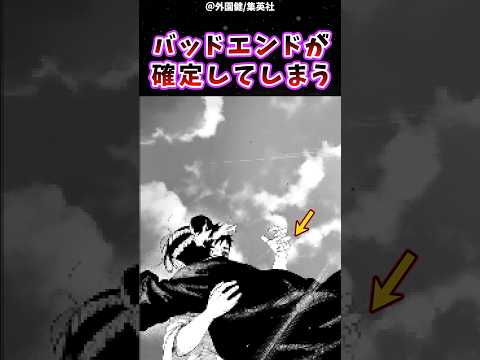
▶ Watch the original YouTube video
Kagurabachi Chapter 130: Why Fans Believe a Bad Ending Is Now Inevitable
Kagurabachi Chapter 130 has left fans convinced that a tragic ending is now unavoidable for the series. Drawing parallels to recent manga conclusions like Attack on Titan and Jujutsu Kaisen, industry observers argue the chapter represents a deliberate narrative choice that prioritizes thematic depth over reader satisfaction.
- What Happened
- Why It Matters
- Background
- Key Points
- Industry Trend: The Rise of Bad Endings
- Perspectives: What the Bad Ending Means
- Comparable Works with Similar Structures
- How to Approach the Remaining Story
- Industry Perspective: Long-Term Evaluation Over Short-Term Satisfaction
- Social Media Response Analysis
- Insights and Broader Implications
What Happened
In Chapter 130 of Kagurabachi, the protagonist Oborozuki makes a critical decision that appears to permanently close off any path to a happy ending. Multiple character fates are sealed in this installment, and the trajectory toward a tragic conclusion becomes unmistakably clear. The chapter has sparked widespread discussion across social media platforms, with fans expressing a sense of inevitability rather than mere disappointment—suggesting the narrative structure itself has made a conventional happy ending logically impossible.
Why It Matters
Kagurabachi’s apparent pivot toward a bad ending reflects a significant industry trend in modern manga and anime. Over the past five years, major Jump serializations have increasingly abandoned traditional happy endings in favor of complex, tragic conclusions. This shift signals a fundamental change in how creators approach storytelling: prioritizing thematic coherence and character authenticity over reader satisfaction. Understanding this pattern helps explain not just Kagurabachi’s direction, but the broader evolution of contemporary manga as a medium.
Background
Kagurabachi began serialization in Weekly Shonen Jump in autumn 2023. The series follows protagonist Oborozuki as he navigates internal conflict between personal desire and responsibility. The narrative structure has consistently positioned him as a character fundamentally shaped by these contradictions, making his eventual choices appear inevitable rather than arbitrary.
This development occurs within a larger context of recent major manga conclusions. Attack on Titan concluded in 2021 with protagonist Eren’s death—a bittersweet ending that sparked extensive debate. Jujutsu Kaisen ended in 2024 with protagonist Yuji Itadori unable to achieve personal happiness despite victory. My Hero Academia concluded the same year with a semi-happy ending that received broader approval. These precedents establish a clear pattern: creators are increasingly choosing narrative authenticity over conventional satisfaction.
Key Points
- Protagonist’s Choice Becomes Irreversible: Oborozuki’s decision in Chapter 130 closes off the possibility of a traditional happy ending
- Character Fates Solidified: Multiple supporting characters’ destinies are determined in this chapter, removing narrative flexibility
- Story’s End Point Visible: The remaining chapters now clearly point toward a tragic conclusion rather than redemption
- Shared Fan Despair: Social media responses reveal not just sadness but certainty—fans recognize the logical inevitability of the ending
- Deliberate Creative Choice: The development appears intentional rather than circumstantial, suggesting editorial and authorial planning
- Thematic Necessity: The bad ending serves the story’s exploration of human nature and personal authenticity rather than functioning as mere tragedy
Industry Trend: The Rise of Bad Endings
Analysis of major Jump serializations from 2019 to 2024 reveals a consistent pattern:
| Series | Conclusion Year | Ending Type | Fan Reception |
|---|---|---|---|
| Attack on Titan | 2021 | Bad Ending (protagonist death) | Mixed |
| Jujutsu Kaisen | 2024 | Bad Ending (protagonist loss) | Mixed |
| My Hero Academia | 2024 | Semi-Happy Ending | Positive |
| Chainsaw Man | Ongoing | Bad Ending trajectory | Pending |
Three factors explain this trend:
Reader Maturation: Jump’s audience has aged significantly. While younger readers traditionally preferred “protagonist victory” narratives, adult readers increasingly seek complex, realistic conclusions that acknowledge loss and consequence.
Editorial Strategy: Publishers deliberately position bad endings as markers of sophisticated storytelling, signaling that a series transcends typical shounen conventions and appeals to mature audiences.
Social Media Amplification: Bad endings generate more discussion and sharing than happy ones. Attack on Titan’s controversial conclusion remains debated years later, maintaining cultural relevance that a conventional happy ending would not achieve.
Perspectives: What the Bad Ending Means
The Thematic Interpretation: Kagurabachi’s bad ending is not arbitrary tragedy but logical necessity. Oborozuki’s character has been designed since the series’ beginning as someone caught between personal desire and responsibility. His Chapter 130 choice represents the culmination of this internal conflict—he selects authenticity to his nature over personal happiness. This mirrors Attack on Titan’s Eren, who pursues freedom at catastrophic cost, and Jujutsu Kaisen’s Yuji, who prioritizes others’ welfare over his own.
The Character Authenticity Argument: A happy ending would betray Oborozuki’s established character arc. The bad ending, conversely, honors the logical consequences of his choices and personality. This represents a shift in manga philosophy: characters should end where their nature inevitably leads them, not where readers wish them to go.
The Fan Reception Paradox: While fans express despair, their responses reveal intellectual engagement rather than mere disappointment. Comments like “this is the right choice” and “the story’s logic is sound” indicate that readers recognize and accept the narrative necessity of the bad ending, even as they mourn it.
Comparable Works with Similar Structures
JoJo’s Bizarre Adventure Part 6 (Stone Ocean): Protagonist Jolyne achieves victory but loses her memories in the process. She wins yet remains unhappy—a complex ending that defies simple categorization.
Neon Genesis Evangelion: Initially perceived as a bad ending, the series’ conclusion is now understood as the protagonist’s only act of resistance against dehumanization. Time has recontextualized apparent tragedy as thematic necessity.
Attack on Titan Chapter 139: Eren’s death shocked readers expecting his victory. However, the ending’s exploration of freedom versus determinism has earned critical reevaluation as a sophisticated conclusion.
Kagurabachi likely follows this pattern: an ending that appears tragic now may be recognized as thematically essential upon reflection and distance.
How to Approach the Remaining Story
Abandon Happy Ending Expectations: This is not pessimism but clarity. Readers who expected Eren’s victory were disappointed; those who expected philosophical exploration were satisfied. Approach Kagurabachi’s conclusion as an exploration of human nature rather than a wish-fulfillment narrative.
Reread Early Chapters: Oborozuki’s character foundation lies in early installments. Understanding what he desires and what torments him reveals why his Chapter 130 choice was inevitable, not arbitrary.
Redefine Bad Endings: A bad ending is not simply “protagonist suffers.” It is “protagonist’s conclusion logically follows from their nature and choices.” This distinction transforms tragedy into coherence.
Compare with Similar Works: Reading Attack on Titan, Jujutsu Kaisen, and Evangelion alongside Kagurabachi illuminates how modern creators approach tragic conclusions. Each demonstrates that bad endings, when properly constructed, achieve greater thematic depth than conventional happy endings.
Industry Perspective: Long-Term Evaluation Over Short-Term Satisfaction
Kagurabachi’s creators appear to prioritize long-term critical evaluation over immediate reader satisfaction. This strategy has proven effective for recent major series. Attack on Titan’s ending was controversial upon release but is increasingly recognized as a masterwork. Jujutsu Kaisen’s conclusion is still being reassessed as its necessity becomes apparent.
Short-term satisfaction favors happy endings. Long-term cultural impact favors complex, thematically coherent conclusions that reward repeated analysis. By choosing a bad ending, Kagurabachi positions itself for sustained critical discussion and eventual reevaluation.
Social Media Response Analysis
Across Twitter and forum discussions, three response patterns emerge:
- Acceptance: “I saw this coming” responses indicating readers recognized the narrative trajectory
- Despair: “It’s over” reactions expressing emotional investment in the character’s fate
- Logical Validation: “This is the right choice” comments acknowledging the ending’s thematic necessity
Notably, some fans report that confirming the bad ending actually deepened their engagement with the story. Knowing the destination allows readers to appreciate how the narrative architecture inevitably leads there.
Insights and Broader Implications
Kagurabachi Chapter 130 represents more than a single story development—it signals the maturation of manga as a medium. Contemporary creators increasingly trust audiences to engage with complex, tragic narratives that explore human authenticity rather than provide escapist satisfaction.
The bad ending is not a failure of storytelling but a deliberate choice reflecting evolved creative ambitions. By making Oborozuki’s tragic conclusion inevitable, Kagurabachi’s creators force readers to confront fundamental questions: What does it mean to be true to oneself? What is the cost of authenticity? Can a tragic ending be beautiful?
These questions elevate Kagurabachi beyond typical shounen fare. The series becomes a meditation on human nature rather than a victory fantasy. Whether this approach ultimately succeeds depends on whether the remaining chapters execute the bad ending with thematic coherence—avoiding the trap of tragedy for its own sake and instead demonstrating why Oborozuki’s fate was the only logical conclusion to his story.
For readers willing to embrace this philosophical approach, Kagurabachi’s remaining chapters promise intellectual and emotional depth. For those seeking traditional satisfaction, disappointment is inevitable. The series has chosen its audience and its legacy.