▶ Watch the original YouTube video
Obito’s Brutal “You Are Just Backup” Line to Kakashi: How One Moment Shattered Anime Friendship Ideals
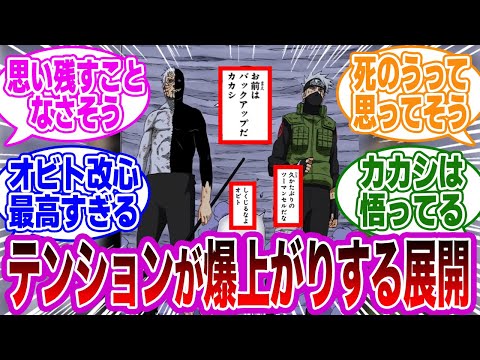
In one of Naruto’s most psychologically devastating scenes, Obito tells Kakashi “You are just backup,” a single line that fundamentally challenges everything the series has built about friendship and trust. This moment has sparked intense debate across fan communities, forcing viewers to reconsider the nature of bonds and mutual respect in relationships.
What Happened
During a pivotal moment in Naruto Shippuden, Obito delivers a crushing statement to Kakashi, declaring that he is merely a backup—not an equal partner. This declaration contradicts years of narrative emphasis on teamwork, mutual trust, and the unbreakable bonds between comrades. The line serves as a psychological turning point, reframing the entire relationship dynamic between the two characters and challenging viewers’ assumptions about what friendship truly means within the series.
Why It Matters
This scene represents a rare moment in anime where the fundamental concept of friendship is interrogated rather than celebrated. Most anime reinforce the idea that friendship is absolute and unbreakable, but Naruto’s approach here is more nuanced and realistic. The scene forces both characters and viewers to confront uncomfortable truths about hierarchy, value, and whether relationships can truly be mutual. It raises critical questions about how we perceive our own relationships and whether we unconsciously assign roles and rankings to those we claim to trust equally.
Background
Naruto has consistently emphasized themes of teamwork and interconnected strength throughout its narrative. Kakashi and Obito’s relationship has been presented as one built on shared experiences and mutual respect. However, this scene reveals that what Kakashi perceived as an equal partnership may have been viewed very differently by Obito. The revelation suggests that Obito’s internal hierarchy placed him in a primary role while relegating Kakashi to a supporting position—a fundamental misalignment of expectations that undermines the entire foundation of their bond.
Key Points
- Psychological Deconstruction of Friendship: The word “backup” doesn’t merely describe a combat role; it denies Kakashi’s fundamental value as an equal partner, striking at the core of his self-identity.
- Relativity of Trust: What appeared to be a reciprocal relationship of trust is revealed to be based on unilateral judgment, suggesting that perceived bonds may not reflect actual mutual regard.
- Character Philosophy Collision: Obito’s pragmatic, role-based worldview directly contradicts Kakashi’s idealistic belief in equal partnership and mutual trust.
- Narrative Turning Point: This moment serves as a structural pivot that influences all subsequent character development and plot progression.
- Viewer Emotional Response: The scene generates unusually diverse and intense reactions, indicating its effectiveness as both emotional and intellectual provocation.
- Existential Question: The scene forces audiences to examine whether they unconsciously assign hierarchies within their own relationships.
Comparative Analysis with Other Works
Similar themes of trust betrayal appear across anime, but with different psychological mechanisms. In Attack on Titan, Annie’s revealed identity as an enemy creates a binary betrayal—friend versus foe. In Code Geass, Lelouch and Suzaku’s relationship deteriorates through gradual revelation of conflicting ideologies. In Fullmetal Alchemist, Edward and Alphonse’s bond is tested repeatedly, yet their mutual value recognition remains constant. Naruto’s approach differs by introducing the concept of existential hierarchy—not “enemy versus ally,” but “primary versus secondary.” This distinction makes the psychological impact more insidious and philosophically complex.
A comparison table of these narrative approaches reveals that Naruto’s scene ranks highest in psychological impact precisely because it challenges the viewer’s implicit assumptions about what equality in friendship should mean.
Fan Community Reactions
Online responses to this scene span a wide spectrum. On Twitter, reactions range from viewing Obito’s statement as a transformative moment in Kakashi’s character arc to interpreting it as simple character degradation. Some viewers report experiencing personal epiphanies, recognizing that they unconsciously assign hierarchies within their own relationships. On forums like 5channel, more analytical discussions emerge, examining textual consistency and psychological motivation. YouTube comments tend toward emotional responses, though analytical breakdowns also appear. Notably, critical voices questioning whether Obito’s statement constitutes unwarranted cruelty coexist with supportive interpretations, suggesting the scene’s complexity generates legitimate multiple readings.
Psychological and Thematic Significance
The scene’s power derives from its honest interrogation of friendship rather than its celebration. Most anime operate within a framework where friendship is presented as transcendent and absolute. Naruto’s willingness to suggest that relationships may involve unconscious power dynamics and misaligned perceptions represents a more mature, realistic approach to human connection. The statement forces viewers to confront whether they maintain similar illusions about their own relationships. This self-reflective capacity distinguishes the scene from mere shock value, elevating it to genuine artistic significance.
Furthermore, the scene may indicate that Obito himself is undergoing psychological transformation at this moment. The statement might represent not his authentic friendship perspective but rather a new persona he is constructing. This ambiguity—whether the words reflect true belief or performed identity—adds another layer of interpretive complexity.
Insights and Broader Implications
This scene exemplifies how modern anime increasingly presents nuanced, complex relationship dynamics rather than idealized friendship narratives. The willingness to suggest that bonds may involve hierarchy, misunderstanding, and unequal perception reflects a broader cultural shift toward acknowledging the complexity of human relationships. True growth, the scene suggests, may require confronting harsh external judgments while maintaining internal conviction about one’s own value—a more sophisticated understanding of resilience than simple optimism.
The scene’s enduring resonance across fan communities indicates that it addresses something fundamental about human psychology: the gap between how we perceive our relationships and how others perceive them. By presenting this gap not as a simple misunderstanding but as a potential structural feature of the relationship itself, Naruto offers viewers an opportunity for genuine self-examination. Whether Obito’s statement represents truth or performance remains deliberately ambiguous, allowing each viewer to project their own relationship anxieties onto the scene.
The broader implication is that authentic friendship, as Naruto ultimately suggests, may not be about denying hierarchy or difference, but rather about maintaining connection despite recognizing it. This represents a maturation of the series’ central thesis about bonds and teamwork—moving from idealized unity to realistic interdependence.