▶ Watch the original YouTube video
Trainers React to Fine Motion’s Unexpected Diplomacy: What It Reveals About Uma Musume’s Player Community
A viral moment in Uma Musume Pretty Derby shows the character Fine Motion engaging in unexpected diplomatic behavior, sparking diverse reactions from the trainer community. The scene exemplifies how the game’s character development system creates emergent narratives that transcend traditional gaming experiences, revealing deeper psychological connections between players and their favorite characters.
- What Happened
- Why It Matters
- Background
- Key Points
- Character Development System Design
- Trainer Community Reactions
- Comparative Analysis: Uma Musume vs. Other Simulation Games
- The Psychology of Fine Motion’s Diplomacy
- Implications for Fan Culture Evolution
- Future Trajectory
- Practical Guidance for Deeper Engagement
- Community Sentiment Summary
- Conclusion: Uma Musume and the Future of Character-Driven Gaming
What Happened
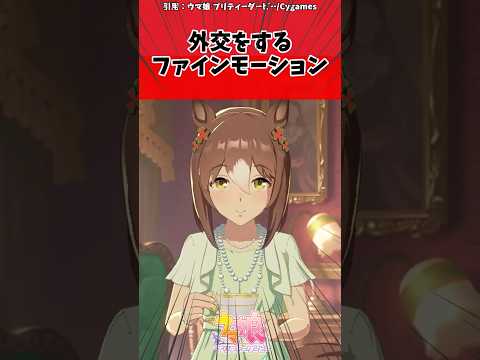
In Uma Musume Pretty Derby, players discovered that the character Fine Motion exhibits unexpected diplomatic behavior during her character development sequence. Rather than following predictable patterns, Fine Motion takes autonomous actions that surprise trainers—players who nurture and develop their characters. This moment has become a focal point in the Uma Musume community, generating widespread discussion about character autonomy and player expectations.
Why It Matters
Fine Motion’s diplomatic action represents a fundamental shift in how modern games approach character development. Unlike traditional simulation games where characters respond predictably to player input, Uma Musume’s system allows characters to exhibit autonomous behavior that can exceed or diverge from player expectations. This creates a more authentic relationship dynamic between players and characters, transforming the gaming experience from one-directional control into bidirectional interaction. The trainer community’s varied responses to this moment reveal how players are developing deeper emotional investments in their characters, treating them less like game assets and more like entities with independent agency.
Background
Uma Musume Pretty Derby launched as a character-driven horse racing simulation game that combines competitive gameplay with deep character narratives. The game’s core appeal lies in its character development system, where trainers guide their characters through training regimens, races, and social interactions. Over its lifecycle, the game has cultivated a dedicated community of players who engage in “oshi-katsudou”—a Japanese term for fan support culture that has evolved beyond traditional fandom into interactive, participatory engagement.
Fine Motion is characterized as a horse girl caught between her instincts as a racehorse and her identity as a social being. Her character arc explores the tension between competitive drive and interpersonal connection. The game’s development team has intentionally designed characters to exhibit unpredictable behaviors during the training process, creating moments where characters appear to make independent decisions that reflect their psychological development.
Key Points
- Fine Motion’s diplomatic action represents character autonomy that exceeds typical player expectations in simulation games
- The trainer community exhibits diverse interpretations of the same scene, ranging from humor to deep psychological analysis
- Uma Musume’s character development system enables multiple narrative pathways based on individual player training choices
- The game creates a bidirectional relationship between players and characters, distinguishing it from traditional one-directional gaming experiences
- Community reactions demonstrate that players are emotionally invested in characters as autonomous entities rather than controllable game assets
- The scene exemplifies how modern games can generate emergent narratives through sophisticated character systems
Character Development System Design
Uma Musume’s training system allows characters to develop along multiple pathways. Depending on the trainer’s chosen specialization—Speed, Power, Stamina, or Wisdom—characters exhibit different personality traits and behavioral patterns. Fine Motion’s diplomatic behavior may emerge from specific training combinations or relationship thresholds with other characters, creating a sense that the character is responding authentically to her circumstances rather than following a predetermined script.
This design philosophy contrasts sharply with earlier idol management games like The Idolmaster or Love Live! School Idol Festival, where character responses remain largely predetermined. Uma Musume trainers report that their characters frequently surprise them with unexpected actions, creating moments of genuine emotional resonance that feel less like game mechanics and more like authentic character growth.
Trainer Community Reactions
Analysis of community responses reveals four primary reaction patterns:
- Affirmative Reactions: Trainers celebrate Fine Motion’s behavior as authentic character development, viewing it as evidence of successful nurturing
- Surprise Reactions: Players express astonishment at the unexpected nature of the action, highlighting the game’s ability to subvert expectations
- Analytical Reactions: Community members engage in psychological interpretation, exploring the motivations behind Fine Motion’s diplomatic choice
- Personal Connection Reactions: Trainers relate the scene to their own unique experience with their version of Fine Motion, emphasizing that each player’s character is distinct
On Twitter, responses range from humorous commentary to earnest character analysis. Niconico video comments frequently include statements like “This is what Fine Motion really is,” indicating that trainers have developed sophisticated personal interpretations of their characters. Many trainers report that their own Fine Motion exhibited similar behavior, yet each experience felt unique to their individual training journey.
Comparative Analysis: Uma Musume vs. Other Simulation Games
| Element | The Idolmaster | Love Live! | Uma Musume |
|---|---|---|---|
| Character Autonomy | Low (follows player commands) | Low (fixed narrative) | High (exhibits unexpected behavior) |
| Development Diversity | Moderate | Low | Very High |
| Character Interactions | Limited | Fixed | Dynamic and varied |
| Player Investment Experience | Moderate | High | Very High |
Uma Musume distinguishes itself through higher character autonomy and greater development diversity. This combination creates a more sophisticated player-character relationship where trainers feel they are nurturing independent entities rather than controlling predetermined characters.
The Psychology of Fine Motion’s Diplomacy
Fine Motion’s diplomatic action can be interpreted as a psychological turning point in her character arc. The behavior suggests she has resolved the tension between her competitive instincts and her social nature by choosing a middle path—engaging diplomatically rather than isolating herself for training or abandoning her competitive goals.
This character development mirrors real psychological growth, where individuals learn to balance competing needs. For trainers, witnessing this moment creates an emotional experience analogous to watching a child make an independent decision that reflects their maturation. The surprise element enhances this emotional resonance, as the character’s autonomy becomes tangible and undeniable.
Implications for Fan Culture Evolution
Uma Musume represents an evolution in how games facilitate fan engagement. Traditional fan culture involved one-directional support for predetermined characters. Uma Musume’s system enables bidirectional interaction where players actively shape character development while characters simultaneously exhibit autonomous growth that can surprise and delight their trainers.
This creates what might be termed “participatory character relationships”—a form of engagement that transcends traditional gaming or fandom categories. Trainers report emotional satisfaction that extends beyond typical game completion metrics, instead deriving meaning from the perceived authenticity of their character relationships.
Future Trajectory
Fine Motion’s diplomatic behavior suggests that Uma Musume’s development team is progressively increasing character autonomy within the game’s systems. Current implementations use randomization within defined parameters, but future iterations may employ more sophisticated algorithms to generate character behaviors based on complex interactions between player choices, character relationships, and narrative context.
This trajectory aligns with broader industry trends toward AI-assisted game design. As technology advances, character behavior systems may become increasingly sophisticated, creating even more authentic-feeling autonomous character development. This evolution could establish new standards for how players expect to interact with game characters.
Practical Guidance for Deeper Engagement
Explore Multiple Training Pathways: Different specialization choices create distinct character narratives. Trainers who experiment with varied training approaches discover that the same character exhibits different personality facets depending on development choices.
Connect Character Stories to Training Events: Uma Musume’s character narratives and training events are deeply interconnected. Understanding Fine Motion’s story context enriches interpretation of her diplomatic behavior.
Engage with Community Interpretations: The Uma Musume community’s strength lies in its diverse character interpretations. Exposure to other trainers’ perspectives reveals new dimensions of character understanding.
Explore Related Media: Watching the Uma Musume anime adaptation and studying actual horse racing contexts deepens appreciation for how characters are grounded in real-world competitive contexts.
Community Sentiment Summary
Across social media platforms, Fine Motion’s diplomatic action has generated overwhelmingly positive engagement. Twitter responses combine humor with genuine appreciation for character development. Niconico comments emphasize character authenticity and personal connection. The consistent theme across platforms is that trainers feel their individual versions of Fine Motion are unique, yet the shared moment creates community cohesion.
This paradox—simultaneous individuality and community connection—represents a distinctive feature of Uma Musume’s social ecosystem. Players experience deeply personal character relationships while participating in a broader community that validates and celebrates those relationships.
Conclusion: Uma Musume and the Future of Character-Driven Gaming
Fine Motion’s diplomatic behavior exemplifies Uma Musume’s fundamental innovation: creating character experiences that feel authentically autonomous while remaining responsive to player investment. This approach transcends traditional gaming categories, establishing a new paradigm for how players can relate to digital characters.
The trainer community’s varied and thoughtful responses demonstrate that players are prepared for and eager to engage with characters as complex entities rather than simple game mechanics. Uma Musume has successfully transformed character development from a gameplay system into a cultural practice—one where players invest emotional energy in nurturing relationships with characters who occasionally surprise them with unexpected autonomy.
As game technology continues advancing, Uma Musume’s approach to character autonomy may establish templates for future titles. The success of this system suggests that players value authenticity and unpredictability in character relationships, even when—or perhaps especially when—those qualities diverge from player expectations.
Fine Motion’s diplomatic action, seemingly a minor gameplay moment, ultimately represents something profound: the emergence of a new form of interactive storytelling where characters and players co-create narratives through mutual engagement and occasional surprise.