▶ Watch the original YouTube video
Tobirama’s Cryptic Promise to Obito Sparks Massive Fan Theories: Breaking Down the Internet’s Reaction
A brief exchange between Tobirama and Obito in Naruto has ignited widespread speculation across fan communities. The Second Hokage’s cryptic statement “I’ll return you early” left Obito visibly shaken, prompting extensive analysis about hidden meanings, time manipulation, and potential plot revelations that could reshape the series’ narrative.
What Happened
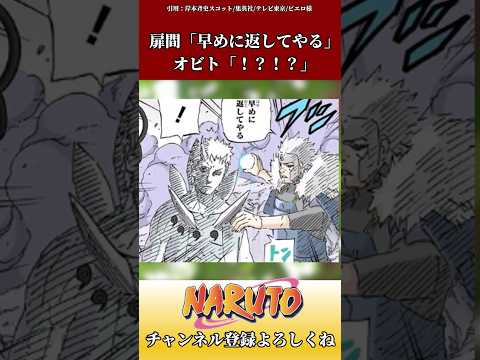
A scene featuring Tobirama, the Second Hokage, delivering a cryptic line to Obito has become the subject of intense fan analysis and reaction compilations on YouTube and social media. In the scene, Tobirama states “I’ll return you early” (早めに返してやる), prompting an unexpected and visibly shocked reaction from Obito, typically portrayed as a composed and nearly omniscient character. This brief exchange has generated widespread speculation about its deeper meaning and implications for the series’ overarching narrative.
Why It Matters
This moment matters because it represents a rare instance where Obito—a character designed to appear unshakeable and god-like in power—is caught off-guard. The cryptic nature of Tobirama’s statement, combined with his reputation as a strategic mastermind and time-manipulation expert, suggests the line carries multiple layers of meaning. For long-time Naruto fans, such moments often signal important plot developments or the revelation of previously hidden character abilities and knowledge. The ambiguity surrounding this exchange has made it a focal point for fan theories about time manipulation, the nature of resurrection through Edo Tensei (Impure World Reincarnation), and the true extent of Tobirama’s capabilities.
Background
Tobirama is one of the most strategically complex characters in the Naruto series, known for his development of advanced jutsu and his role as the Second Hokage. He was killed during the Second Shinobi World War but was later resurrected through Edo Tensei, allowing him to interact with characters from later time periods. Obito, on the other hand, is portrayed as a nearly god-like antagonist with access to the Rinnegan and reality-warping abilities. The confrontation between these two characters represents a clash between different eras of ninja knowledge and power systems. Tobirama’s signature technique, the Flying Thunder God Jutsu (Hiraishin no Jutsu), is a space-time manipulation ability that allows instantaneous teleportation, suggesting his expertise extends to temporal and spatial dimensions.
Key Points
- Unexpected Reaction: Obito’s visible shock (expressed as “!?!?”) is unusual for a character typically portrayed as calm and in control, suggesting Tobirama said something beyond his expectations.
- Ambiguous Meaning: The phrase “I’ll return you early” can be interpreted multiple ways—as a threat, a time-manipulation reference, or a deeper strategic declaration.
- Strategic Implication: Tobirama’s reputation as a calculating strategist suggests the statement carries hidden layers of meaning beyond its surface interpretation.
- Time-Manipulation Connection: Given Tobirama’s expertise with space-time jutsu, the statement may reference temporal mechanics rather than simple combat.
- Widespread Fan Engagement: The scene generated significant discussion across Twitter, YouTube, Reddit, and other platforms, with fans proposing various theories about its true meaning.
- Narrative Significance: The scene appears designed to hint at future plot developments or reveal previously unknown aspects of character abilities.
Timeline
- Original Scene: Tobirama and Obito’s confrontation occurs during the Second Shinobi World War arc, after Tobirama’s resurrection via Edo Tensei.
- Video Compilation Release: Fan reaction compilations of this scene were uploaded to YouTube, gaining traction and sparking widespread discussion.
- Social Media Spread: The scene and associated theories spread across Twitter, Reddit, and other fan communities, generating hundreds of interpretations and analyses.
- Ongoing Analysis: Fan communities continue to analyze the scene in relation to subsequent story developments and character revelations.
Perspectives
Literal Interpretation: Some fans interpret “I’ll return you early” as a straightforward threat—Tobirama will defeat Obito quickly in combat. This reading treats the statement as a simple declaration of intent.
Time-Manipulation Theory: Given Tobirama’s expertise with space-time jutsu, many fans theorize the statement refers to temporal manipulation. Under this interpretation, Tobirama may be suggesting he can reverse Obito’s actions, send him backward in time, or constrain him within temporal limitations that Obito cannot escape.
Multi-Layered Meaning: Some analysts propose that Tobirama deliberately chose ambiguous language to psychologically unsettle Obito. In Japanese, the word “返す” (kaeshi/return) carries multiple meanings—returning objects, repaying debts, returning life, or reversing actions. This linguistic ambiguity may have been intentional, forcing Obito to consider multiple interpretations simultaneously.
Strategic Knowledge Indicator: Another perspective suggests the statement reveals that Tobirama possesses knowledge about Obito’s nature, abilities, or vulnerabilities that Obito believed were hidden. Obito’s shock would then stem from realizing his secrets are known.
Critical Perspective: Some viewers argue the scene lacks sufficient explanation and that fans may be over-interpreting a moment that could simply be dramatic dialogue without deeper meaning. This perspective questions whether the ambiguity is intentional storytelling or incomplete exposition.
Comparative Analysis with Other Works
Attack on Titan Comparison: Similar to how Attack on Titan uses facial expressions to convey psychological shock when characters receive unexpected information, Naruto employs Obito’s reaction to signal the importance of Tobirama’s statement. However, Attack on Titan typically follows such moments with explicit explanations, whereas Naruto leaves this statement intentionally ambiguous.
Steins;Gate Parallel: The concept of time-axis manipulation and confrontation across temporal boundaries mirrors themes in Steins;Gate, where time manipulation serves as a central conflict mechanism. Both works suggest that controlling time represents the ultimate form of power, and Tobirama’s statement may allude to such capabilities.
Fullmetal Alchemist Connection: Like Fullmetal Alchemist’s exploration of death, resurrection, and the consequences of bringing the dead back to the living world, Naruto’s Edo Tensei mechanic raises questions about the nature of resurrected souls and their relationship to time and responsibility. Tobirama’s statement may reference these metaphysical dimensions.
Insights
This scene exemplifies how modern anime storytelling uses deliberate ambiguity to engage fan communities in active interpretation and theory-building. Rather than providing definitive answers, the creators present cryptic moments that invite multiple readings, thereby deepening audience investment in the narrative.
The widespread fan reaction demonstrates that Naruto functions not merely as entertainment but as a text that rewards close analysis and comparative thinking. Tobirama’s character—portrayed as a calculating strategist with expertise in advanced jutsu—naturally invites speculation about hidden meanings in his dialogue.
The scene also highlights the tension between different power systems and eras within the Naruto universe. Tobirama represents the foundational knowledge of ninja techniques, while Obito embodies god-like, reality-warping abilities. Their confrontation suggests that strategic knowledge and temporal manipulation may be the only forces capable of challenging absolute power.
From a narrative perspective, this moment serves as a reminder that Naruto maintains thematic complexity beneath its surface-level action sequences. The series engages with concepts of time, strategy, resurrection, and the moral implications of power—themes that elevate it beyond typical shonen anime conventions.
Finally, the fan response itself becomes significant. The fact that a single ambiguous line generated extensive analysis across multiple platforms indicates that audiences actively seek deeper meaning in storytelling and value works that respect their interpretive intelligence. This scene succeeds because it trusts viewers to engage critically with the material rather than spoon-feeding explanations.